How Do You Organize a Small Kitchen Cabinet?
Last Updated on September 9, 2026
Is your small kitchen cabinet feeling cluttered and chaotic? You’re not alone.
When space is tight, keeping your kitchen organized can feel like an impossible puzzle. But what if you could transform that cramped cabinet into a neat, easy-to-use space where everything has its place? Imagine opening your cabinet and instantly finding what you need without the frustration.
You’ll discover simple, practical tips to organize your small kitchen cabinet efficiently. Ready to reclaim your kitchen and make your daily routine smoother? Let’s dive in and unlock the secrets to a perfectly organized small cabinet.
Assessing Your Cabinet Space
Read More – Can You Store Hot Food in Plastic Containers?
Organizing a small kitchen cabinet starts with understanding the space you have. Assessing your cabinet space helps you plan better. It makes sure you use every inch wisely. This step saves time and avoids clutter later. Begin by looking closely at your cabinet’s size and shape. Then, think about what you really need to store. Finally, check what items you already have. This process sets the foundation for a neat and functional cabinet.
Measuring Dimensions
Measure the height, width, and depth of your cabinet. Use a tape measure for accuracy. Write down these numbers. Include shelves inside the cabinet if any. Note any odd shapes or obstacles. These details help you choose the right storage tools. Knowing the exact size prevents buying items that don’t fit.
Identifying Storage Needs
Think about what you store in the cabinet. Pots, pans, dishes, or food items? Separate items by size and use. Store frequently used items within easy reach. Bulky or rarely used items can go on higher shelves. Clear storage goals guide your organizing choices. This step prevents overcrowding and keeps things tidy.
Taking Inventory Of Items
Empty the cabinet and list every item inside. Check for duplicates or expired goods. Decide what to keep, donate, or toss. Group similar items together. This helps in choosing storage containers and shelf placement. A clear inventory shows what space each item needs. It simplifies the organizing process.
Decluttering And Sorting
Decluttering and sorting are the first steps to organize a small kitchen cabinet. Without clearing out the clutter, it is hard to find space for the items you use daily. Sorting helps to arrange items logically and makes your cabinet functional.
Start by emptying the cabinet completely. This gives a clear view of what you have and what you need to keep. It also helps to clean the shelves before placing anything back.
Removing Unused Items
Take out all items that you have not used in the last six months. These might include old spices, expired foods, or duplicates. Removing these frees up space and reduces mess. Donate or toss items that are still good but not needed.
Grouping Similar Items
Sort the items into groups based on their use. Keep baking supplies together and snacks in another spot. Grouping makes it easier to find items quickly. Use small baskets or containers to keep groups neat and contained.
Deciding What To Keep
Keep only what you use regularly and what fits your cooking style. Avoid keeping items “just in case.” If something does not fit in your small cabinet, consider storing it elsewhere. This keeps your kitchen tidy and efficient.
Choosing Storage Solutions
Choosing the right storage solutions is key to organizing a small kitchen cabinet. Small kitchens need smart ideas to save space and keep things tidy. Picking the best tools can help you fit more items without clutter. This section shows simple ways to add storage that works well for tiny cabinets.
Using Shelf Risers
Shelf risers create extra levels inside your cabinet. They let you stack items like plates or cups safely. This doubles the space you have on one shelf. Choose clear or sturdy risers to see and reach items easily. Shelf risers keep things visible and easy to grab.
Incorporating Drawer Organizers
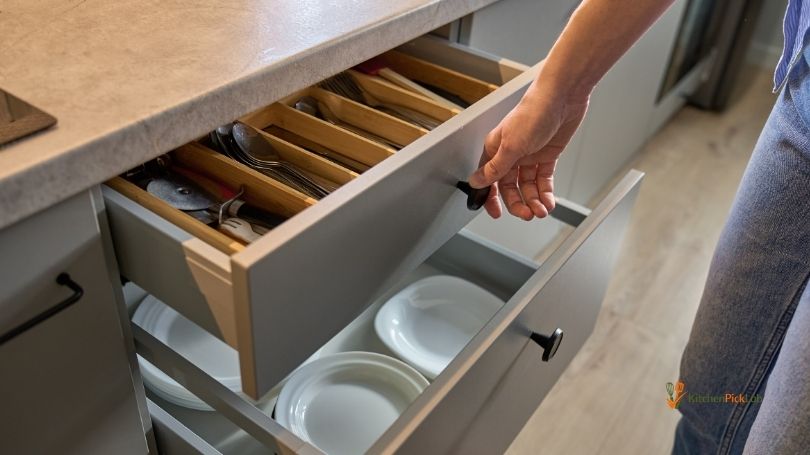
Drawer organizers keep small items neat and separated. Use them for utensils, lids, or spices. They stop items from moving around when you open drawers. Organizers come in many sizes to fit your needs. They help you find what you want fast.
Adding Hooks And Racks
Hooks and racks use vertical space inside cabinets. Hang mugs, measuring spoons, or small pans on hooks. Racks hold cutting boards or baking sheets upright. These tools keep items off the bottom and easy to reach. Hooks and racks make the most of every inch.
Maximizing Vertical Space
Read More – How Long Can Leftovers Stay in the Fridge?
Maximizing vertical space is a smart way to organize a small kitchen cabinet. It helps you use every inch inside your cabinet. This method creates more room and keeps things tidy. Vertical space means the area from the bottom to the top of your cabinet. Using this space well lets you store more items without clutter.
Stacking Containers
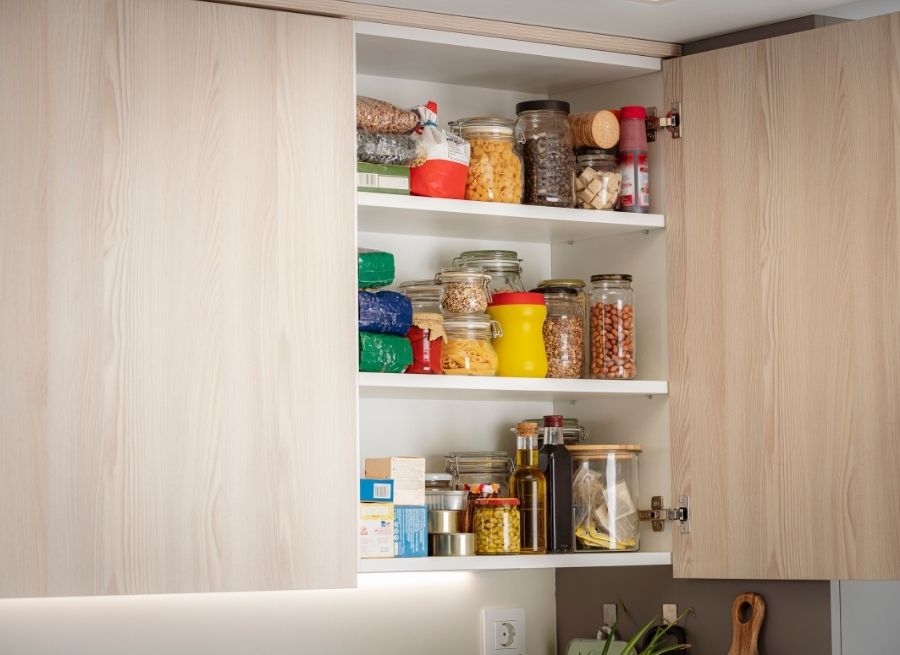
Stacking containers saves space by using height. Choose containers that fit well on top of each other. Clear containers help you see what is inside easily. Use small containers for spices and larger ones for grains. Stack them carefully to avoid spills and mess.
Installing Tension Rods
Tension rods add extra shelves inside cabinets without drilling. Place rods horizontally to create levels for hanging or resting items. Hang spray bottles or cleaning tools from the rods. You can also use them to separate cutting boards or trays. This method keeps things organized and easy to reach.
Hanging Baskets
Hanging baskets use the inside of cabinet doors or open spaces. Attach baskets with hooks or adhesive strips. Store fruits, vegetables, or small kitchen tools in these baskets. This keeps counters clear and frees up shelf space. Baskets make it easy to grab items quickly.
Organizing By Frequency Of Use
Organizing a small kitchen cabinet by how often you use items makes your space efficient. This method saves time and reduces clutter. The key is placing things based on their frequency of use. Keep daily items easy to grab. Store seasonal or rarely used items higher up. Label everything clearly. This keeps your kitchen neat and simple to navigate.
Placing Daily Items Within Reach
Put items you use every day at eye level or below. This includes plates, cups, and cooking tools. Keep them near your main prep area. It helps you work faster and with less hassle. Avoid stacking too many things to keep access smooth. Use small baskets or trays to group similar items together.
Storing Seasonal Items Higher Up
Seasonal and rarely used items belong on the top shelves. Think holiday dishes, large pots, or special gadgets. These do not need daily access. Storing them higher frees up prime space for daily items. Use sturdy bins or clear containers to protect and organize these items.
Labeling For Easy Access
Labels help you find things quickly. Mark shelves and containers clearly. Use simple words that everyone understands. Labeling also helps others keep the kitchen organized. It reduces the time spent searching for items. Keep labels neat and easy to read for best results.
Maintaining An Organized Cabinet
Keeping a small kitchen cabinet organized takes ongoing effort. It’s not just about arranging items once. You need to maintain order to enjoy a tidy space every day. Regular care helps avoid clutter and saves time during cooking. Here are key steps to keep your cabinet neat and efficient.
Regularly Reviewing Contents
Check your cabinet items often. Remove expired or unused products. This keeps space free for what you really need. Sort through spices, cans, and packages every few weeks. Toss anything old or empty. This prevents overcrowding and makes finding things easier.
Cleaning And Tidying Schedule
Set a simple cleaning routine. Wipe shelves and doors to remove dust and spills. Do this at least once a month. Use mild soap and a damp cloth. A clean cabinet looks better and keeps food safe. Keep containers and jars clean outside and inside too.
Adapting Organization Over Time
Your needs change. Adjust your cabinet layout to fit new habits. Add storage bins or shelf risers if needed. Move frequently used items to easy-to-reach spots. Change how you group items based on what you use most. Flexibility keeps your kitchen working well for you.
Read More – What Is the Best Way to Store Spices in a Small Kitchen?
Frequently Asked Questions
How Can I Maximize Space In A Small Kitchen Cabinet?
Use vertical organizers and stackable shelves to create more storage. Store items by size and frequency of use. Remove unused items to reduce clutter and improve accessibility.
What Are The Best Containers For Small Kitchen Cabinets?
Clear, stackable containers with airtight lids are ideal. They save space and keep food fresh. Label containers for easy identification and efficient use of cabinet space.
How Do I Keep Small Kitchen Cabinets Organized Long-term?
Regularly declutter and reorganize your cabinets. Use drawer dividers and shelf risers to maintain order. Always return items to their designated spots after use.
Can I Use Door Space Inside Small Kitchen Cabinets?
Yes, install hooks or small racks on cabinet doors. This adds extra space for lightweight items like spices or utensils. It’s an effective way to use every inch of space.
Conclusion
Organizing a small kitchen cabinet can make cooking easier and faster. Use shelves, bins, and hooks to save space. Group similar items together to find them quickly. Clear containers help you see what you have. Keep daily-use items within reach.
Regularly check and remove expired products. A neat cabinet makes your kitchen feel bigger and tidier. Small changes bring big results. Start organizing today to enjoy a clutter-free kitchen tomorrow.