7 Food Storage Mistakes That Can Waste Space And Food
Last Updated on September 9, 2026
Are you tired of running out of space in your fridge or pantry? Or maybe you find yourself throwing away spoiled food more often than you’d like?
You’re not alone. Many people make simple food storage mistakes that waste both space and precious groceries. The good news is, with a few easy changes, you can save money, reduce waste, and keep your kitchen more organized. Keep reading to discover the 7 food storage mistakes you might be making—and how to fix them for good.
Your fridge (and wallet) will thank you!
Common Food Storage Mistakes
Read More – 5 Useful Storage Containers for Everyday Kitchen Use
Storing food properly saves space and keeps food fresh longer. Many people make simple mistakes that cause food to spoil or take up too much room. These common errors waste both food and storage space.
Understanding these mistakes helps improve your kitchen organization. You can keep food fresher and avoid tossing good food away.
Storing All Food Together
Not all foods belong in the same spot. Fruits and vegetables often need different temperatures. Storing them together can cause some to spoil fast.
Using Large Containers For Small Amounts
Big containers take up more room. Using them for small amounts wastes space. Choose containers that fit the food size better.
Keeping Food In Original Packaging
Original packaging is often bulky and not airtight. Moving food to airtight containers saves space and keeps food fresh longer.
Ignoring Expiration Dates
Expired food takes up space and may not be safe to eat. Check dates regularly and use older items first to avoid waste.
Stacking Food Without Organization
Piling food randomly causes clutter. It is hard to find items. Organize food by type and size to save space and time.
Not Cleaning Storage Areas Regularly
Dirty shelves and containers can cause food spoilage. Clean storage spaces often to keep food safe and fresh.
Overbuying Perishable Items
Buying too much fresh food leads to waste. Store only what you can use in time to prevent spoilage and save space.
Overpacking The Fridge
Overpacking the fridge can cause many problems. It blocks air circulation inside. This makes your fridge work harder and less efficiently.
Food may spoil faster because cold air cannot reach all items. You might waste food without realizing it. Plus, a crowded fridge takes up more space than needed.
Reduced Airflow Hurts Food Freshness
Cold air must flow freely to keep food fresh. When the fridge is packed tight, air cannot move well. Some areas stay warmer, causing food to spoil quicker.
Hard To Find And Organize Items
Stuffing the fridge makes it hard to see what you have. You might forget or lose track of food. This leads to buying duplicates and wasting space.
Increased Energy Use And Higher Bills
A full fridge forces the motor to run longer. This uses more electricity and raises your energy bill. Keeping it organized saves money and energy.
Food Damage From Overcrowding
Stacking items too tightly can crush delicate foods. Soft fruits and vegetables get bruised easily. Damaged food spoils faster and must be thrown away.
Tips To Avoid Overpacking
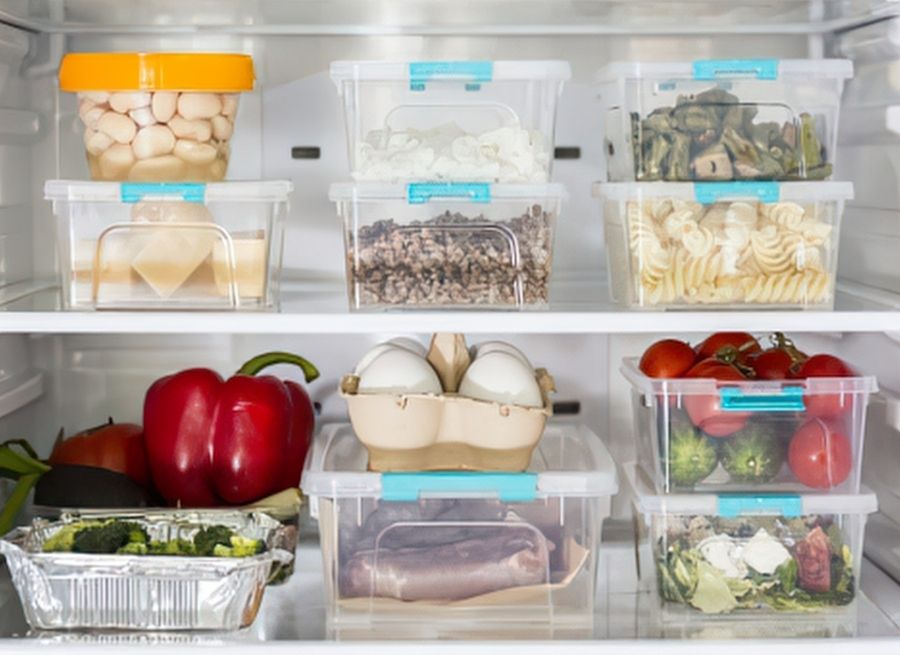
Use clear containers to organize food better. Keep similar items together for quick access. Leave space between items for air to flow well.
Ignoring Proper Container Use
Read More – 8 Things to Consider Before Buying Food Storage Containers
Ignoring proper container use can lead to wasted space and spoiled food. Choosing the wrong containers causes clutter and confusion. Food may not stay fresh as long, increasing waste.
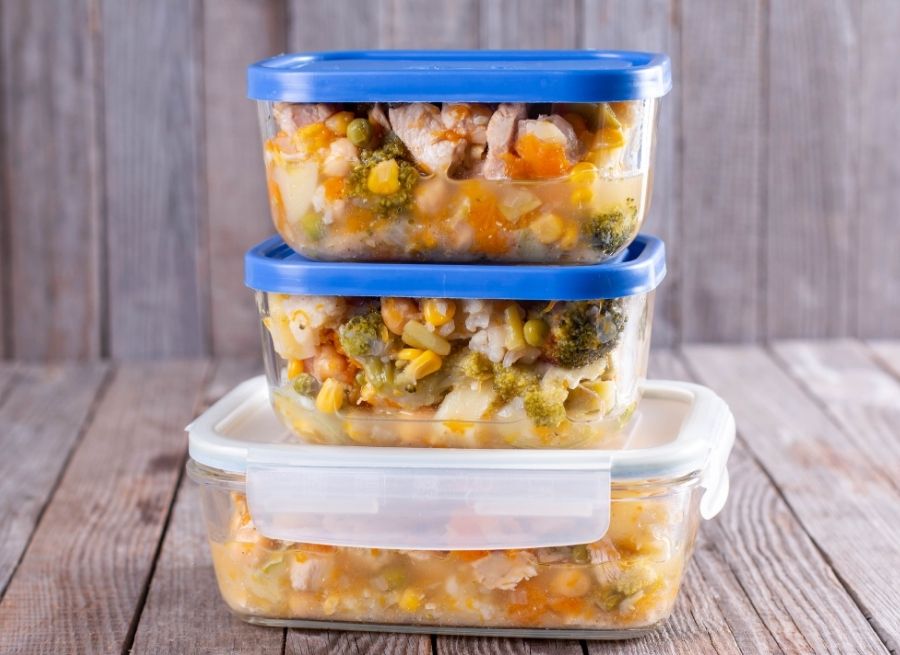
Using containers that do not fit your storage space wastes room. Stacking becomes difficult, and you might lose track of items. Proper containers help organize and keep food fresh longer.
Choose Containers That Fit Your Storage Space
Select containers that match your fridge, freezer, or pantry sizes. Avoid large containers for small amounts of food. Use stackable containers to save vertical space and keep things tidy.
Use Airtight Containers To Keep Food Fresh
Airtight containers stop air from spoiling food quickly. They preserve flavors and prevent moisture loss. This practice helps reduce food waste and saves money.
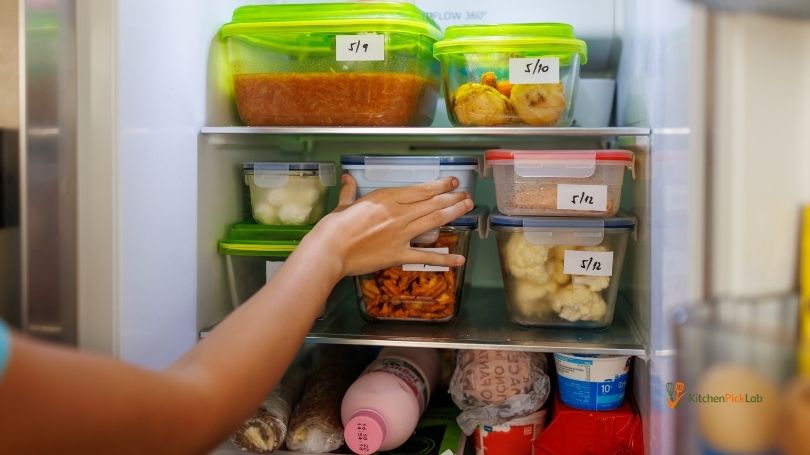
Label Containers For Easy Identification
Label containers with contents and dates. It helps identify food quickly and reduces forgotten items. This simple step prevents food from going bad unnoticed.
Use Clear Containers For Better Visibility
Clear containers let you see inside without opening them. You find items faster and avoid duplicate purchases. This saves space and reduces food waste.
Storing Food At Wrong Temperatures
Storing food at the wrong temperature leads to faster spoilage and waste. Food safety depends on keeping items cold or dry as needed. Each type of food has a best temperature range. Ignoring this causes food to lose freshness quickly. It also wastes space by cluttering shelves with spoiled items.
Understanding the correct temperature helps keep food fresh longer. It prevents bacteria growth and slows down decay. Proper storage saves money and reduces food waste. Knowing where to put your food matters for space and safety.
Refrigerating Dry Goods
Dry goods like bread and cereal do not belong in the fridge. Cold temperatures make them soggy or stale. Store dry goods in a cool, dry place instead. This keeps their texture and taste intact.
Freezing Fresh Produce
Freezing some fresh fruits and vegetables damages their texture. Not all produce freezes well without prep. Some need blanching before freezing. Improper freezing wastes food and freezer space.
Leaving Perishables At Room Temperature
Perishable foods like meat and dairy spoil quickly outside the fridge. Bacteria multiply fast at room temperature. Keep these foods refrigerated to avoid waste and illness.
Overloading The Refrigerator
A packed fridge blocks air circulation. Uneven cooling causes some food to spoil faster. Leave space between items for cold air to flow freely.
Ignoring Temperature Settings
Refrigerators should be set between 35°F and 38°F. Freezers need to stay at 0°F or below. Wrong settings lead to spoilage and wasted food.
Keeping Produce Together
Storing all your fruits and vegetables together seems easy. But this habit can cause problems in your fridge. Some fruits release gases that make others spoil faster. This wastes food and space.
Understanding how to separate produce helps keep them fresh longer. It also prevents bad smells and mushy spots. Proper storage saves money and reduces waste.
Ethylene Gas And Its Impact
Many fruits produce ethylene gas naturally. This gas speeds up ripening. Bananas, apples, and tomatoes are common ethylene producers. When stored with sensitive vegetables, those veggies spoil quickly.
Keep ethylene-producing fruits away from leafy greens and broccoli. This prevents early decay and mushiness.
Grouping Similar Produce
Store fruits with fruits and vegetables with vegetables. This reduces the chance of unwanted ripening. Use separate drawers or containers for each group. It saves space and keeps food fresh longer.
Using Proper Containers And Bags
Use breathable bags for some vegetables like lettuce. Use airtight containers for berries and mushrooms. Proper storage controls moisture and airflow. This keeps produce crisp and tasty.
Neglecting To Label And Date
Forgetting to label and date your food containers causes confusion. It leads to wasted food and cluttered storage spaces. Without labels, you might toss perfectly good food. Or keep spoiled items too long. Both waste money and space.
Labeling helps you know exactly what’s inside each container. Dating tells you how long it has been stored. This simple step keeps your kitchen organized and your food fresh.
Clear Identification Saves Time And Space
Labels let you find food quickly. No more digging through containers. It reduces fridge or pantry mess. You use space better by stacking or arranging items smartly.
Track Freshness To Avoid Spoilage
Dates show when food was stored. You spot older items first. Eat or use them before they go bad. This cuts down on throwing away spoiled food.
Simple Labels Work Best
Use sticky notes or masking tape. Write with a marker for easy reading. Keep labels visible on containers or bags. Change them as you add new food.
Read More – How Do You Organize a Small Kitchen Cabinet?
Forgetting To Rotate Stock
Forgetting to rotate stock is a common mistake that leads to food waste and cluttered storage. It means using newer items before older ones. Without rotation, older food can expire while newer items take up space.
This mistake causes both wasted food and lost money. It also makes your storage less efficient. You end up with expired food at the back and fresh products in front.
What Does Rotating Stock Mean?
Rotating stock means placing older food in front. New items go behind the older ones. This way, you use the food that will expire first. It keeps your pantry and fridge organized and fresh.
Why Rotating Stock Saves Space
Rotating stock helps avoid overbuying. You see what you have and what needs using. It prevents stacking food randomly, which wastes space. Everything fits better, and you can find items faster.
Simple Tips To Rotate Your Food Stock
Check expiration dates before storing food. Move older items to the front. Put new groceries behind the older ones. Use clear containers to see contents easily. Label items with purchase dates if needed.
Using Inefficient Storage Layouts
Using inefficient storage layouts can cause wasted space and spoiled food. Poor organization makes it hard to find items. This leads to buying duplicates or forgetting food in the back.
Proper layout helps keep food visible and accessible. It also saves time and money by reducing waste. Small changes in storage arrangement can make a big difference.
Group Similar Items Together
Keep like items in the same area. Store canned goods on one shelf. Place snacks in one bin. Grouping helps you find food fast. It also prevents buying extra food you already have.
Use Clear Containers
Clear containers show what is inside. This reduces the chance of food going bad unseen. Label containers with dates to track freshness. Stack containers neatly to save space.
Keep Frequently Used Items Accessible
Place popular items at eye level or front shelves. Less used items go on higher or lower shelves. This layout saves time during cooking and meal prep. It also prevents food from being forgotten.
Utilize Vertical Space
Add shelves or racks to use tall cupboard space. Vertical storage holds more food in less room. Hang items like bags or utensils to free shelf space. This keeps storage neat and organized.
Rotate Food Regularly
Move older food to the front. New groceries go to the back. This first-in, first-out system prevents spoilage. It also reduces food waste and saves money.
Frequently Asked Questions
What Are Common Food Storage Mistakes That Waste Space?
Common mistakes include overpacking containers, using large containers for small amounts, and improper stacking. These reduce usable space and cause clutter.
How Does Improper Sealing Affect Food Storage?
Improper sealing leads to air exposure, causing food to spoil faster. It also wastes space by allowing containers to spill or leak.
Why Should I Avoid Storing Food In Original Packaging?
Original packaging often isn’t airtight or stackable. Transferring food to uniform containers saves space and keeps food fresher longer.
How Can Overfilling The Fridge Waste Food?
Overfilling blocks air circulation, making the fridge less efficient. This can cause uneven cooling, leading to faster spoilage.
Conclusion
Avoiding common food storage mistakes saves space and reduces waste. Proper organization keeps your kitchen neat and items fresh longer. Use airtight containers and label everything clearly. Don’t overcrowd your fridge or pantry to allow good airflow. Store foods according to their needs, like keeping bread dry and fruits cool.
Small changes in how you store food make a big difference. Start with these tips to keep your food safe and your space tidy.