How Often Should You Sharpen Kitchen Knives?
Last Updated on September 9, 2026
How often should you sharpen your kitchen knives? If you’ve ever struggled with a dull blade or felt unsure about when to sharpen, you’re not alone.
A sharp knife makes cooking safer, faster, and more enjoyable. But sharpening too often or too little can damage your knives or slow you down. You’ll discover simple tips to know exactly when and how to sharpen your kitchen knives.
Keep reading to make sure your knives are always ready to slice, dice, and chop with ease.
Signs Your Knives Need Sharpening
Read More – Can You Put Wooden Spoons in the Dishwasher?
Knowing when to sharpen your kitchen knives is key for safe and easy cutting. Sharp knives make cooking faster and reduce accidents. Watch for certain signs to know if your knives need sharpening. These signs help keep your knives working well longer.
Dullness And Cutting Performance
Dull knives struggle to cut through food smoothly. They often tear or crush rather than slice. If you need more force to cut, your knife is dull. Slicing through soft vegetables or bread should feel easy. When it feels tough, sharpening is necessary.
Visual Wear And Damage
Look closely at your knife edges. Chips, cracks, or bends show damage. These defects affect cutting quality and safety. A dull edge may look rounded or shiny from wear. A sharp edge looks thin and clean. Visual signs mean it’s time to sharpen or repair.
Frequency Of Use Impact
Knives used daily dull faster than those used sometimes. Frequent cutting wears down the blade quickly. Professional chefs sharpen knives weekly or even daily. Home cooks may sharpen every few months. Knowing your use helps set the right sharpening schedule.
Factors Affecting Sharpening Frequency
Several factors affect how often you should sharpen kitchen knives. Understanding these helps keep knives sharp longer. It also saves time and effort on sharpening. Each factor changes the knife’s edge wear and tear. Knowing these details lets you set a good sharpening schedule.
Type Of Knife Steel
Knife steel type affects how fast the blade dulls. Harder steel stays sharp longer but can be brittle. Softer steel dulls quickly but is easier to sharpen. High-carbon steel knives often need less frequent sharpening. Stainless steel knives might lose sharpness faster. Knowing your knife’s steel helps plan sharpening properly.
Usage And Cutting Techniques
How often you use the knife changes how fast it dulls. Cutting hard materials like bones or frozen food dulls knives quickly. Soft foods like vegetables cause less wear. Chopping style matters too. Heavy chopping or twisting wears the edge faster. Gentle slicing keeps the edge longer. Use affects sharpening frequency a lot.
Maintenance And Storage
Proper knife care slows down dulling. Cleaning knives right after use prevents damage. Avoid harsh detergents and dishwasher cleaning. Store knives safely in blocks or magnetic strips. Storing knives loose in drawers can dull edges fast. Regular honing helps maintain the edge between sharpenings. Good maintenance reduces how often sharpening is needed.
Recommended Sharpening Intervals
Read More – What Is the Best Cutting Board Material for Daily Use?
Knowing when to sharpen your kitchen knives keeps them effective and safe. Dull knives need more pressure and can slip. Sharpening often depends on how you use your knives and the type you own. Regular care helps maintain sharp edges and makes cooking easier.
Different users and knives require different sharpening schedules. Understanding these can save time and keep your knives in top shape.
Home Cooks Vs Professional Chefs
Home cooks usually sharpen knives every few months. They use knives less often and with less intensity. Professional chefs sharpen knives weekly or even daily. They need sharp tools for fast and precise work. Professionals often use honing rods between sharpenings to keep edges aligned. Home cooks can rely on less frequent sharpening and regular honing.
Different Knife Types
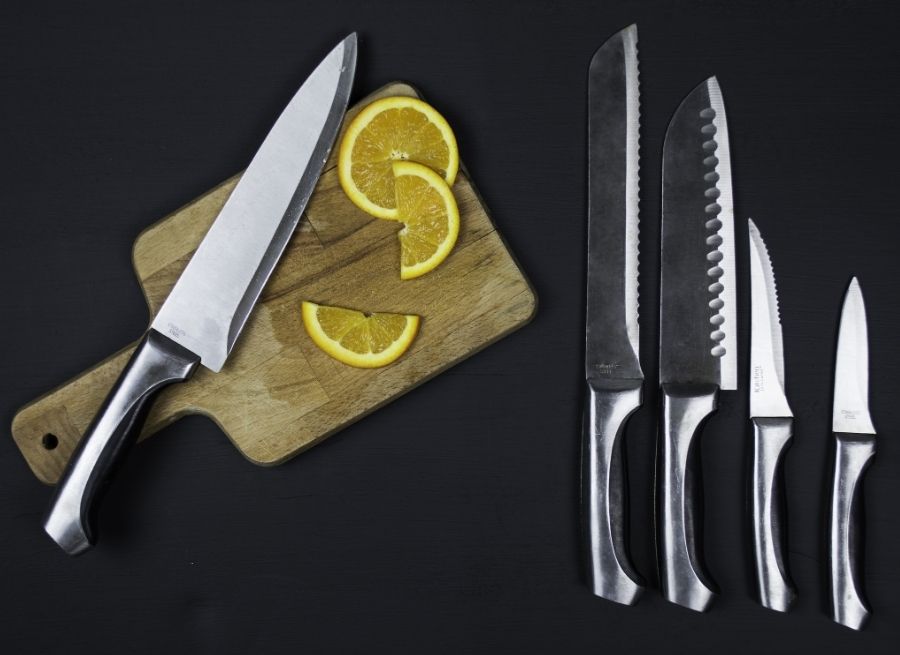
Harder steel knives hold sharpness longer. They need less frequent sharpening. Softer steel knives dull faster and need more care. Japanese knives often require gentle, frequent sharpening. Western knives may need less frequent but deeper sharpening. Serrated knives need sharpening rarely but require special tools. Knowing your knife type helps set the right schedule.
Seasonal And Occasional Sharpening
Sharpen knives at the start of heavy cooking seasons. Holidays and special events mean more cutting. Sharpen before and after these periods to keep edges sharp. Occasional sharpening suits knives used rarely. Store knives safely to avoid damage between uses. Regular checks help spot dullness early.
Methods To Sharpen Kitchen Knives
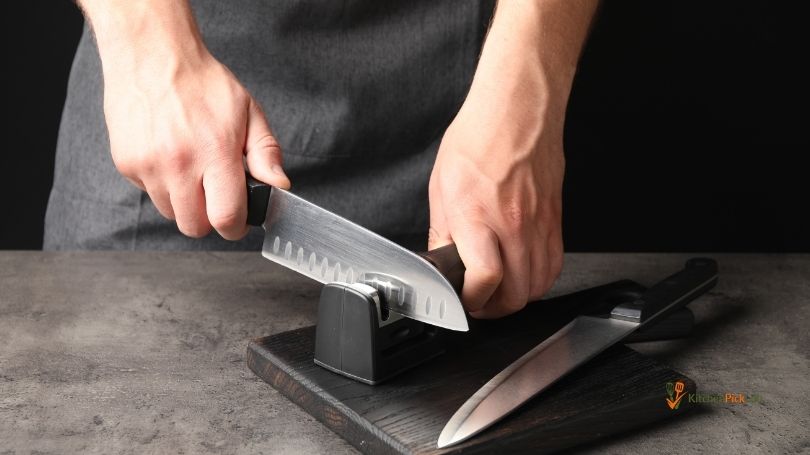
Sharpening kitchen knives keeps them safe and effective. Dull knives need more force and can slip. Different methods suit different skill levels and tools. Choose what fits your needs and comfort.
Each method has pros and cons. Knowing these helps keep your knives sharp and long-lasting.
Using Sharpening Stones
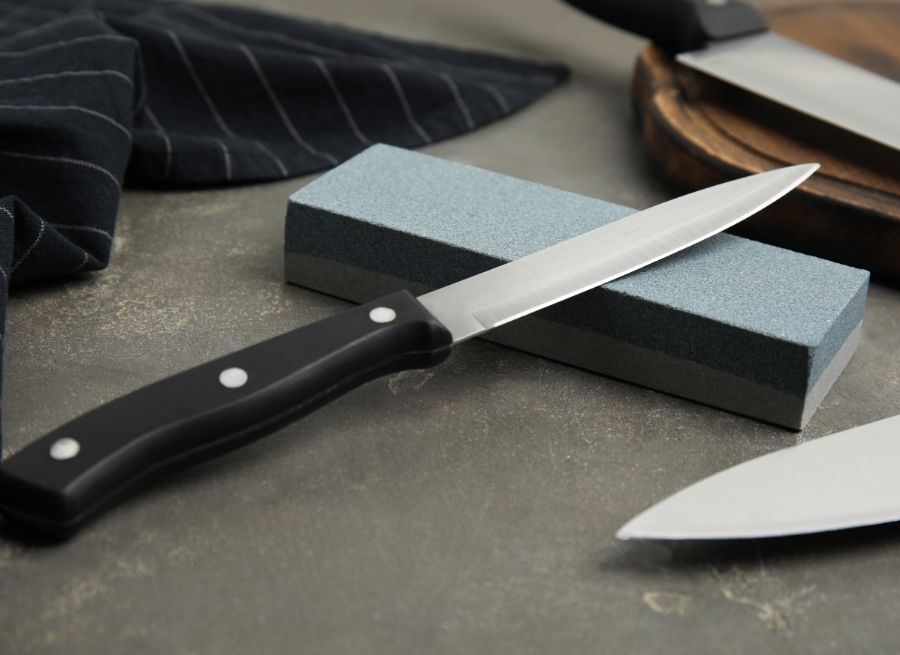
Sharpening stones are traditional and reliable. They come in coarse, medium, and fine grits. Start with coarse to fix dull edges. Then use finer stones to polish the blade. Wet the stone with water or oil. Hold the knife at a 15 to 20-degree angle. Slide the blade across the stone evenly. Repeat on both sides until sharp. This method takes practice but gives great control.
Electric Sharpeners
Electric sharpeners are fast and easy to use. Insert the blade into the slot and pull it through. The machine sharpens the edge automatically. Some models have multiple stages for different sharpening levels. They are good for busy kitchens or beginners. Avoid using electric sharpeners on very thin or specialty knives. Overuse can wear down blades quickly.
Honing Rods And When To Use Them
Honing rods do not sharpen but realign edges. Use them regularly to maintain sharpness. Hold the rod vertically with the tip on a surface. Draw the blade down at a 15 to 20-degree angle. Do this 5 to 10 times on each side. Honing keeps knives sharp between sharpenings. It helps prevent dullness and extends blade life.
Tips To Maintain Sharpness Longer
Keeping your kitchen knives sharp takes more than just regular sharpening. Small habits can extend the sharpness of your blades. Following some simple tips helps your knives stay effective longer. This saves time and keeps your cooking safe and easy.
Proper Cutting Surfaces
Use soft cutting boards made of wood or plastic. Hard surfaces like glass, marble, or metal dull knives quickly. A soft surface protects the blade edge. Change cutting boards often to avoid deep cuts that harm the knife.
Cleaning And Drying Knives
Wash knives by hand with warm water and mild soap. Avoid dishwashers because they damage the blade and handle. Dry knives immediately after washing to stop rust and stains. Moisture weakens the metal and dulls edges over time.
Safe Storage Practices
Store knives in a knife block, magnetic strip, or sheath. Avoid tossing knives in drawers where blades hit other tools. Proper storage protects the blade from nicks and keeps it sharp. It also prevents accidents in the kitchen.
Read More – How Do You Clean a Wooden Cutting Board Properly?
Frequently Asked Questions
How Often Should I Sharpen My Kitchen Knives?
Sharpen kitchen knives every 1 to 3 months, depending on use. Frequent cooking requires more regular sharpening to maintain a sharp edge and ensure safe, efficient cutting.
Can I Sharpen Knives Too Often?
Yes, sharpening knives too often can wear down the blade. Only sharpen when the knife feels dull or struggles to cut smoothly.
What Are Signs My Knife Needs Sharpening?
A knife that slips, tears food, or requires extra force needs sharpening. Dull blades reduce cutting precision and increase the risk of accidents.
Does Honing Replace Sharpening Knives?
No, honing aligns the blade edge but doesn’t sharpen. Sharpening removes metal to create a new, sharp edge, while honing maintains it.
Conclusion
Regular knife sharpening keeps your kitchen tasks safe and easy. Dull knives make cutting harder and more dangerous. Sharpen knives every few months or when they feel dull. Home cooks who use knives daily may need more frequent sharpening. Pay attention to how your knife slices and adjust sharpening times.
Keep your knives sharp to enjoy better cooking and safer prep. A sharp knife saves time and effort in the kitchen. Simple care makes your knives last longer and work better.