How Long Can Leftovers Stay in the Fridge?
Last Updated on September 14, 2026
Have you ever opened your fridge, stared at a container of leftovers, and wondered, “Is this still safe to eat?” You’re not alone. Knowing how long leftovers can stay in the fridge is key to keeping you and your family healthy.
Eat them too soon, and you might waste good food; wait too long, and you risk food poisoning. You’ll discover simple, clear guidelines to help you make the right call every time. Keep reading to never second-guess your leftovers again—and save money and stress in the process.
Safe Storage Times

Read More – What Is the Best Way to Store Spices in a Small Kitchen?
Knowing how long leftovers stay safe in the fridge helps prevent food waste and illness. Safe storage times keep your food fresh and reduce risks. Different foods have different fridge lifespans. Understanding these times makes meal planning easier and safer.
General Guidelines For Common Foods
Cooked meat and poultry last about 3 to 4 days in the fridge. Most cooked vegetables stay fresh for 3 to 5 days. Soups and stews can last 3 to 4 days when refrigerated. Dairy products like hard cheese and yogurt last longer, often up to 1 to 2 weeks. Use airtight containers to keep food fresh and avoid odors.
Differences By Food Type
Seafood leftovers are more fragile and should be eaten within 1 to 2 days. Deli meats usually stay good for 3 to 5 days after opening. Rice and pasta should be used within 3 to 5 days. Fresh salads with dressing last only 1 to 2 days. Foods high in moisture spoil faster, so check them carefully before eating.
Factors Affecting Shelf Life
Temperature matters a lot. Keep your fridge below 40°F (4°C) for best results. Opening the fridge often can raise the temperature and shorten shelf life. The way you store leftovers also affects freshness. Use shallow containers to cool food quickly. Clean containers prevent bacteria growth. Leftovers placed in the fridge within two hours after cooking stay safer longer.
Signs Of Spoiled Leftovers
Knowing the signs of spoiled leftovers helps keep you safe from foodborne illness. Leftovers can look fine but still be unsafe to eat. Recognizing clear spoilage signs prevents health risks. Pay attention to changes in appearance, smell, and texture. Trust your senses to decide if food is still good.
Visual Indicators
Look for mold growth on the surface of leftovers. Discoloration such as dark spots or a dull look signals spoilage. Slimy or sticky layers on food mean bacteria may be growing. Any unusual color or fuzz is a warning to throw food away.
Smell And Texture Changes
Smell the leftovers carefully before eating. A sour, rotten, or off odor means the food is bad. Fresh leftovers have a mild or neutral smell. Texture changes like mushiness or dryness can also show spoilage. Food that feels slimy or sticky is unsafe.
When To Trust Your Senses
Your eyes, nose, and touch help judge leftover safety. If something looks, smells, or feels wrong, do not eat it. Spoiled food can cause stomach problems and illness. Always choose caution over risk when checking leftovers. Use your senses as a simple, effective guide.
Proper Storage Tips
Read More – How Do You Remove Smells from Food Storage Containers?
Proper storage is key to keeping leftovers fresh and safe to eat. It helps prevent food waste and stops bacteria from growing. Knowing how to store leftovers correctly can extend their fridge life and keep their taste intact.
Optimal Container Choices
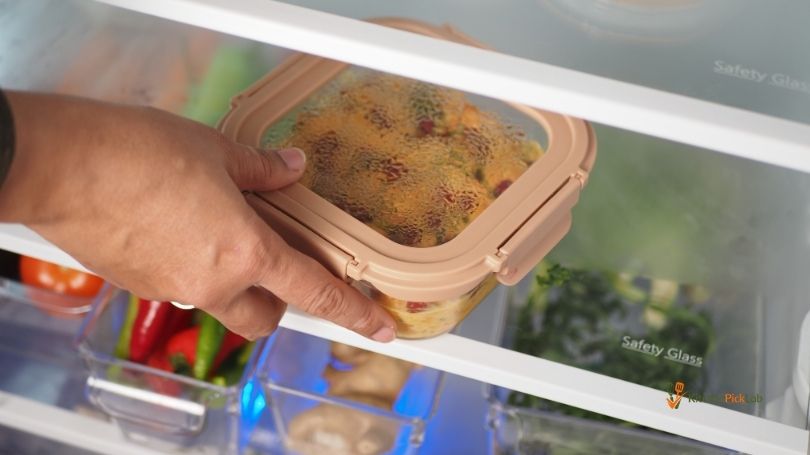
Use airtight containers for storing leftovers. Glass or plastic containers with tight lids work best. Avoid using foil or plastic wrap alone. These do not seal well and allow air in. Smaller containers prevent food from sitting too long in the fridge. Label containers with the date to track freshness.
Temperature Control
Set your fridge temperature at or below 40°F (4°C). This slows bacterial growth and keeps food fresh. Place leftovers in the coldest part of the fridge. Avoid the door since it warms up often. Cool hot food before storing. Putting hot dishes in the fridge raises its temperature.
Avoiding Cross-contamination
Store raw meat and cooked leftovers separately. Use sealed containers to stop juices from spilling. Keep leftovers on higher shelves to avoid drips on other food. Always wash hands and surfaces before handling food. Clean containers and utensils prevent spreading bacteria.
Reheating Leftovers Safely
Reheating leftovers safely is crucial to avoid foodborne illness. Leftover food can develop harmful bacteria if not heated properly. Using the right temperature and method keeps your food safe and tasty. Follow simple steps to enjoy your meals without worry.
Safe Reheating Temperatures
Heat leftovers to at least 165°F (74°C) to kill bacteria. Use a food thermometer to check the temperature. Make sure the food is hot all the way through. Stir food during reheating to spread heat evenly. Avoid warming food just until it is warm.
Best Methods For Reheating
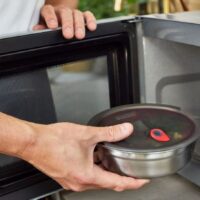
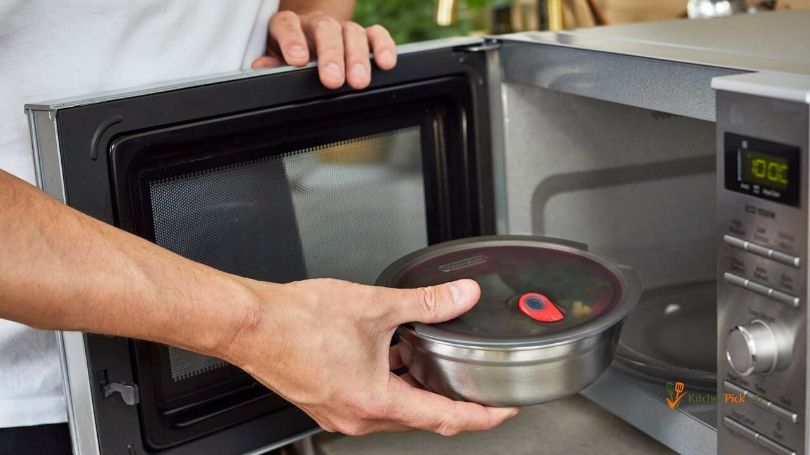
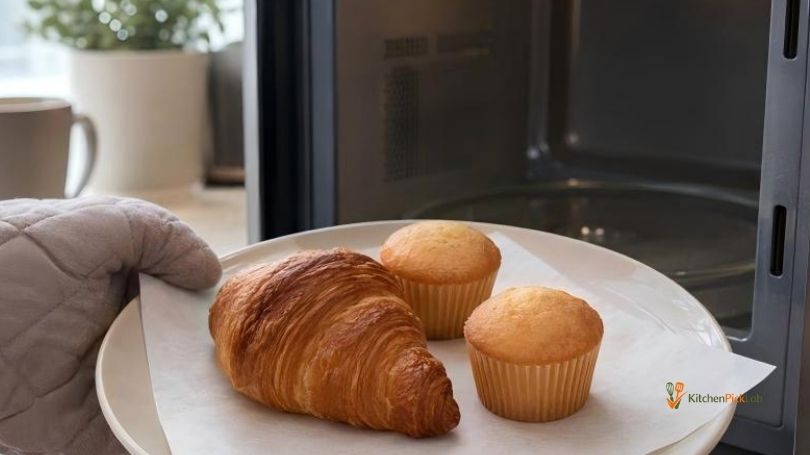
The microwave is fast and convenient for reheating. Cover food to keep moisture and heat inside. Use the stove for soups, stews, and sauces. Heat gently and stir often to prevent burning. The oven works well for casseroles and baked dishes. Wrap food in foil to keep it moist.
Avoiding Reheating Mistakes
Do not reheat leftovers more than once. Each time food cools, bacteria can grow. Avoid reheating large portions at once. Cut food into smaller pieces for even heating. Never leave food out at room temperature for long. Reheat leftovers promptly after taking them from the fridge.
Freezing Leftovers
Freezing leftovers is a smart way to keep food fresh for longer periods. It slows down bacteria growth and preserves the taste and texture. You can freeze most cooked meals, fruits, and vegetables safely. Proper freezing helps reduce food waste and saves time on future meals.
Freezing Vs Refrigerating
Freezing keeps food safe much longer than refrigerating. Leftovers stored in the fridge last about 3 to 4 days. Frozen leftovers can last for months, sometimes up to 6 months. The cold temperature stops bacteria from growing. Refrigeration only slows bacteria but does not stop it.
How To Freeze Leftovers Properly
Cool leftovers completely before freezing to avoid ice crystals. Use airtight containers or freezer bags to prevent freezer burn. Label each package with the date to track storage time. Remove as much air as possible from bags before sealing. Portion leftovers for easy thawing and reheating later.
Thawing Frozen Leftovers Safely
Thaw frozen leftovers in the fridge overnight for best safety. Use the microwave for quick thawing but reheat immediately. Avoid thawing food at room temperature, which can cause bacteria growth. Leftovers thawed in the fridge can be kept for 1 to 2 days before eating. Always heat leftovers to 165°F to kill bacteria.
Reducing Food Waste
Reducing food waste saves money and helps the environment. Leftovers can last only a few days in the fridge. Planning meals and using leftovers wisely stops food from spoiling. Smart habits keep your fridge tidy and your meals fresh.
Meal Planning Strategies
Plan your meals before shopping. Buy only what you need. Use fresh ingredients first. Check your fridge before cooking. This avoids buying duplicates. Write a list and stick to it. Planning helps use leftovers in new meals.
Creative Leftover Recipes
Turn leftovers into tasty dishes. Use cooked vegetables in soups or stir-fries. Mix leftover rice with eggs for fried rice. Add extra sauce to dry meats. Create salads with leftover proteins. Leftovers can be exciting and delicious.
Portion Control Tips
Cook only what you can eat. Use smaller pots and pans. Serve smaller portions at meals. Save extra food immediately. Freeze leftovers if you won’t eat soon. Proper portions reduce waste and keep food fresh.
Read More – 8 Kitchen Cleaning Tools Every Home Should Have
Frequently Asked Questions
How Long Do Cooked Leftovers Stay Safe In The Fridge?
Cooked leftovers typically stay safe in the fridge for 3 to 4 days. Always store them in airtight containers. Check for any signs of spoilage before eating. If unsure, it’s safer to discard.
Can I Freeze Leftovers To Extend Their Shelf Life?
Yes, freezing leftovers can extend their shelf life up to 2 to 6 months. Use freezer-safe containers or bags. Label with the date for easy tracking. Thaw in the fridge before reheating.
What Are Signs That Leftovers Have Gone Bad?
Look for changes in smell, texture, or color. A sour or off odor signals spoilage. Slimy or mushy texture also indicates bad leftovers. When in doubt, throw them out to avoid food poisoning.
Is It Safe To Reheat Leftovers Multiple Times?
Reheating leftovers multiple times is not recommended. Each reheat increases bacterial growth risk. Only reheat the portion you plan to eat. Store the rest properly and reheat once more if needed.
Conclusion
Leftovers stay fresh in the fridge for three to four days. Always store them in airtight containers to keep bacteria away. Check for bad smells or changes before eating. When in doubt, throw food out. Proper storage helps reduce waste and keeps you safe.
Remember, eating spoiled food can cause sickness. Use your senses and common sense to decide. Keep your fridge clean and at the right temperature. This way, your leftovers will last longer and taste better. Stay safe and enjoy your meals without worry.