Can You Plug A Microwave Into A Surge Protector? The Risks
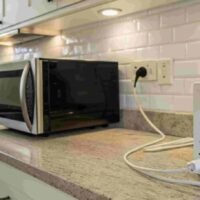
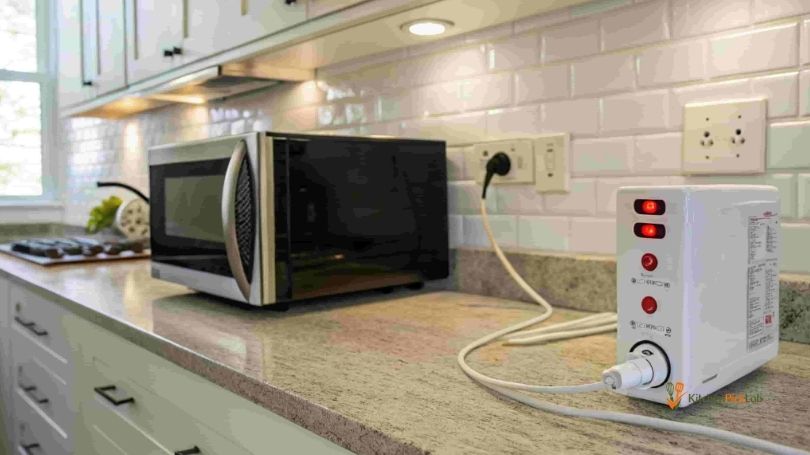
No, you shouldn’t do it. Most major appliance brands warn that to plug a microwave into a surge protector risks electrical fires, melted plastic, and sudden power trips. The only rare exception is a heavy-duty unit built specifically for large loads, but manufacturers still forbid it. Unplug the microwave from the power strip right now and clear a path to the nearest wall outlet instead.
When you can plug in your microwave

Your microwave setup changes the fire risk depending on the power rating and outlet type.
| Your situation | Answer | Why |
|---|---|---|
| Standard household surge strip | No | Power draw exceeds strip limits |
| Direct 120-volt grounded wall outlet | Yes | Meets standard manufacturer safety specs |
| Shared strip with toaster or kettle | No | Overloads circuit and trips breaker |
| Built-in or over-the-range unit | No | Requires dedicated line per code |
| Commercial high-draw microwave | No | Needs dedicated 20-amp grounded circuit |
| Heavy-duty 15-amp single-outlet protector | Yes, but | Appliance warranties forbid all adapters |
Electrical current limits on kitchen circuits
Microwaves pull heavy power in sudden bursts. A 1,000-watt microwave requires a dedicated circuit. Cheap strips use light-gauge wiring rated only for low-draw electronics like phones or televisions. When a magnetron kicks on, the high current draw can cause voltage drop or overheating if the strip’s internal components are undersized.
The U.S. Consumer Product Safety Commission documents thousands of home fires every year involving power strips and cords that overheat under heavy appliance loads. Most surge strips contain metal oxide varistors to absorb voltage spikes, but these components don’t protect against the sustained high amperage that can overheat the strip’s internal wiring.
Connecting your microwave directly to a wall outlet avoids these failure points. If your counter layout puts the appliance far from a plug, moving the appliance is your safest choice.
Safe power alternatives for your counter
If the answer is no, use these alternative setups to keep your kitchen safe.
- Plug directly into an existing wall outlet. Move the microwave closer to the wall so the factory cord reaches without tension. The microwave runs at full power without dimming the kitchen lights. This isn’t for kitchens where the only open outlet sits directly next to a wet sink.
- Move other small appliances off the counter circuit. Clear away coffee makers, blenders, or air fryers that share the exact same duplex outlet box. The circuit breaker stays on even during heavy cooking cycles. This isn’t for people with tiny studio kitchens who must run two cooking appliances at once.
- Hire an electrician to install a dedicated wall receptacle. A licensed professional runs a fresh 12-gauge wire on a 20-amp breaker directly to your microwave’s spot. You get safe power right where you want the appliance without running any cords. This isn’t for renters who don’t own the property and can’t alter the walls.
Using thin light-duty power strips
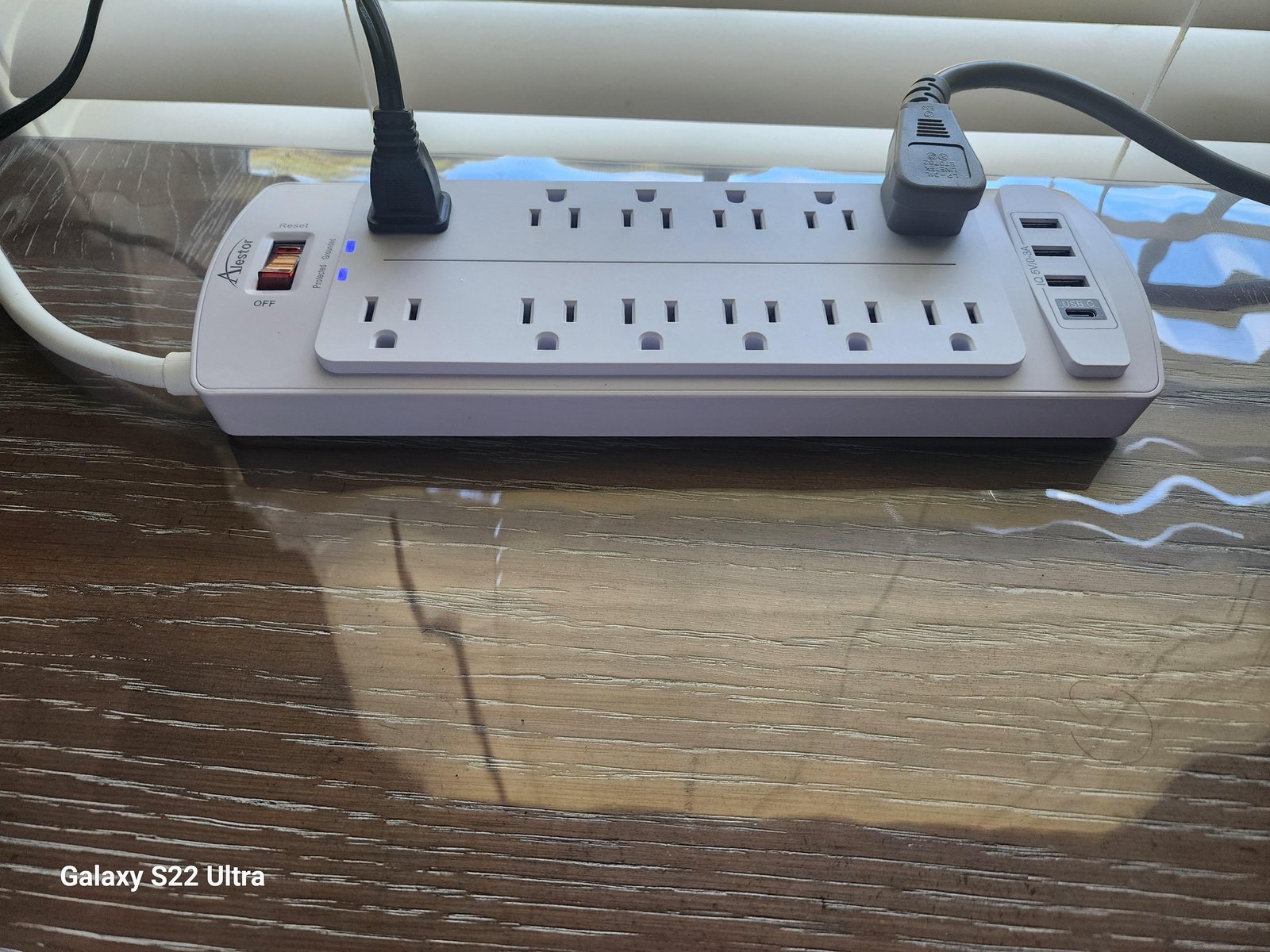
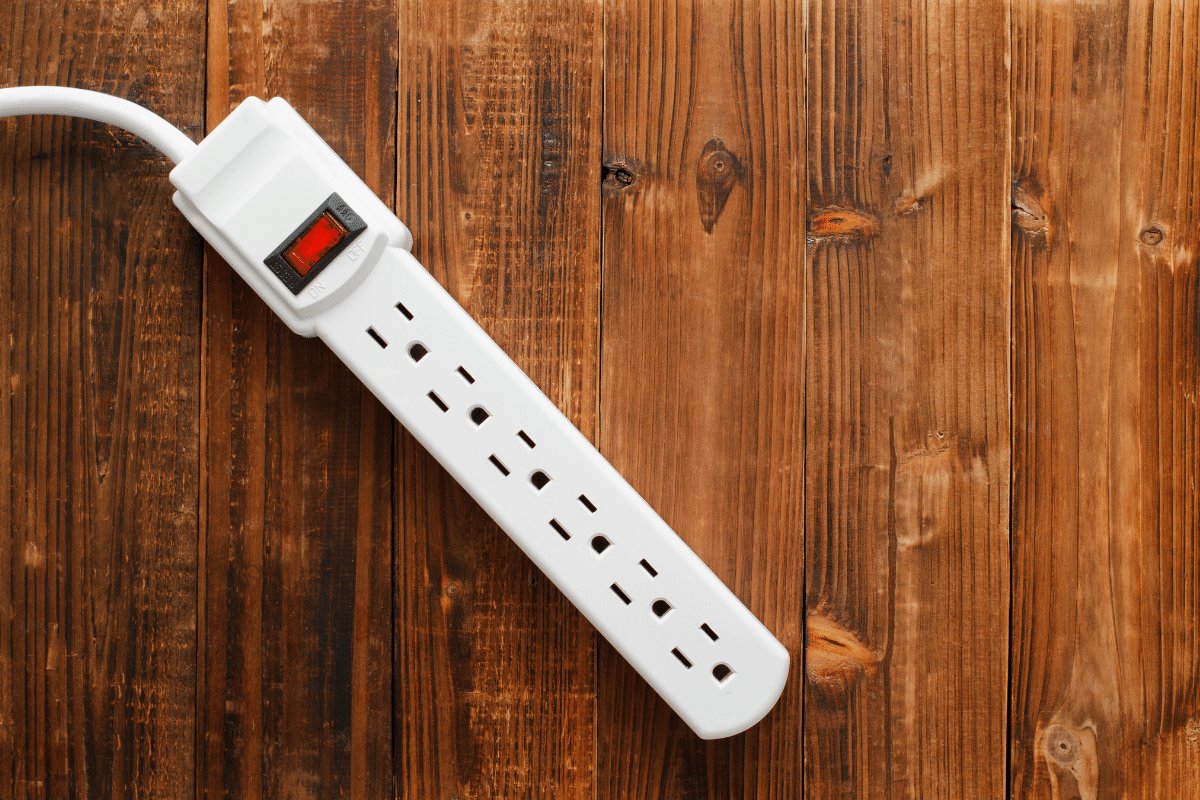
People often plug their microwave into whatever power strip is lying around the house. They grab a thin strip intended for lamps or phone chargers, tuck it out of sight behind the appliance, and forget about it.
Avoid this disaster with one simple check. Look at the back of the microwave, read the input wattage, and feel the plug with your bare hand after three minutes of heating water. If the cord or the plug feels warm to the touch, the connection may be loose or the circuit may be overloaded; disconnect it and have the outlet inspected.
When to stop and get help
Some power problems require a licensed professional.
- The wall outlet looks scorched or discolored, which means internal wiring has melted.
- The circuit breaker clicks off every time you heat food, pointing to an overloaded kitchen circuit.
- The microwave cord feels hot or smells like burning plastic during use, which signals damaged internal leads.
- Your kitchen has older two-prong outlets without a ground wire, which creates an immediate shock hazard.
Opening a home electrical panel or replacing internal branch wiring requires professional training and local permits; stop what you’re doing and call a licensed electrician.
Frequently asked questions
Can a microwave cause a power strip to catch fire?
Yes. A microwave pulls near the maximum safe limit of a household power strip. That continuous high current overheats thin copper contacts inside the housing. If the internal insulation melts or arcs, dry dust and plastic around the strip can catch fire in minutes.
Why does my microwave trip the surge protector button?
The microwave is drawing more power than the protector allows. Standard power strips contain a small breaker set to trip at a specific limit. When the magnetron starts up, the initial power spike crosses that threshold, causing the protector’s safety switch to pop off.
Is it safe to use a heavy-duty extension cord?
Usually not. Appliance brands explicitly state in their manuals that you must plug the unit straight into a wall outlet. If you must use a cord temporarily, it requires a 14-gauge or thicker 12-gauge grounded wire, but manufacturers will still void your warranty if damage occurs.
Does a microwave need its own dedicated circuit?
Yes, for built-in models and units over 1,000 watts. Kitchen building codes typically call for a dedicated 20-amp branch circuit for cooking equipment. This prevents your refrigerator, toaster, or microwave from shutting down the entire room whenever two appliances run at the exact same time.
Can I plug a microwave and fridge into the same strip?
No. Both appliances use heavy motors and compressors that draw massive startup surges. Running both through a single power strip will likely trigger the breaker, but using a standard duplex wall outlet is safe provided the total load doesn’t exceed the circuit’s capacity.
What happens if I use an adapter plug without a ground?
You risk an electrical shock every time you touch the metal case. The third round prong diverts stray electrical current safely into the earth. Cutting off that prong or using a cheap two-prong adapter leaves you as the easiest path to ground if a wire loosens.
What to do next
Unplug your microwave from the power strip and connect its three-prong plug directly into a grounded wall receptacle. Run the appliance on high for one minute to ensure the panel lights stay bright and the circuit breaker holds firm. If the outlet feels hot or the breaker trips immediately, turn off the appliance and hire an electrician.