Can You Cook Quinoa In The Microwave? A Simple Step-by-Step Guide
Last Updated on October 9, 2026
Yes, you can cook it. You can cook quinoa in the microwave safely whenever you use a deep, microwave-safe bowl with a loose cover and twice as much water as grain. A tight lid flips this answer because steam pressure will rapidly boil starchy water over the sides. Measure one cup of grain and two cups of liquid right now to get ready.
When you can cook quinoa in the microwave
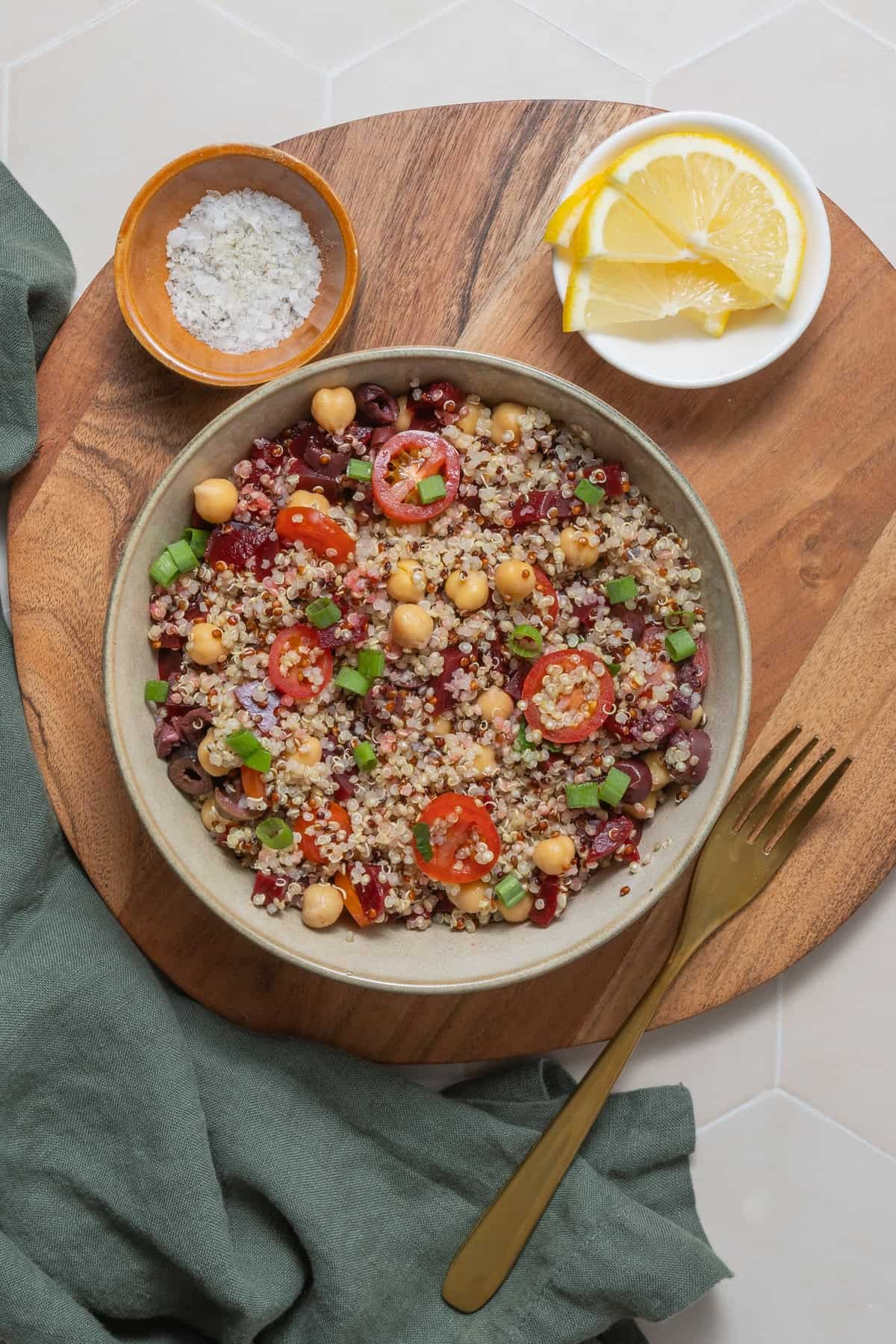
Your container, liquid ratio, and power settings determine if the grain cooks evenly or makes a mess.
| Your situation | Answer | Why |
|---|---|---|
| Standard 1,000-watt unit, deep glass bowl | Yes | Deep sides contain foam during cooking |
| Tight-fitting lid snapped on container | No | Steam pressure causes explosive spills |
| Cooking more than two cups dry grain | No | Uneven heat leaves raw, crunchy centers |
| Small bowl filled past half mark | No | Starchy boiling water overflows the rim |
Water volume and steam space
Steam space inside the container decides whether microwave cooking works. When water boils in a microwave, the starch from the seed coat creates a thick, rising foam. If your bowl doesn’t have enough empty volume above the water line, that foam spills onto the glass turntable within four minutes. You need a container that holds at least four times the combined volume of your dry grain and water. A standard batch of one cup of dry grain and two cups of water needs at least a two-quart bowl.
The microwave works by agitating water molecules, which heats the liquid rapidly. You trade the toasted, nutty aroma of stovetop preparation for faster cooking and one less pot to scrub. The exact time varies by model—check the label or user manual inside your appliance door to confirm its wattage before setting the timer.
Cooked grains carry biological risks if left out. The USDA Food Safety and Inspection Service warns that leaving cooked food between 40°F and 140°F invites bacterial growth like Bacillus cereus. Adjust cooking time based on your appliance’s wattage to ensure a full boil.
Preparing the bowl and cooking
Photo: ifyougiveagirlanoven.com on Google
Microwaving works best for one or two cups of dry grain; this method isn’t for batch cooking three or more cups, which leaves hard pockets in the middle.
- Rinse the grain thoroughly. Place one cup of dry grain into a fine-mesh strainer and run cold tap water over it for 30 seconds until the runoff runs completely clear.
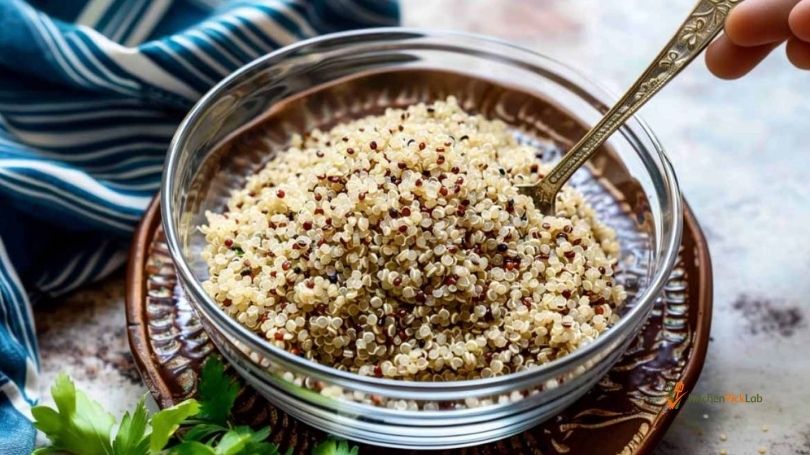
- Combine grain and water. Pour the rinsed grain into a two-quart microwave-safe glass or ceramic dish, then add exactly two cups of cold water.
- Cover the vessel loosely. Place a microwave-safe ceramic plate or paper towel on top, making sure a small gap remains open so steam can vent.
- Microwave on high power. Run the microwave at 100% power for six minutes (this assumes a 1,000-watt unit; at 700 watts run for eight minutes) until the water boils vigorously.
- Drop to medium power. Adjust the appliance to 50% power (setting 5) and heat for ten minutes without removing the plate.
- Rest with the lid closed. Leave the bowl inside the closed microwave for five full minutes so residual steam absorbs into the grain, showing a completely dry bowl floor when tilted.
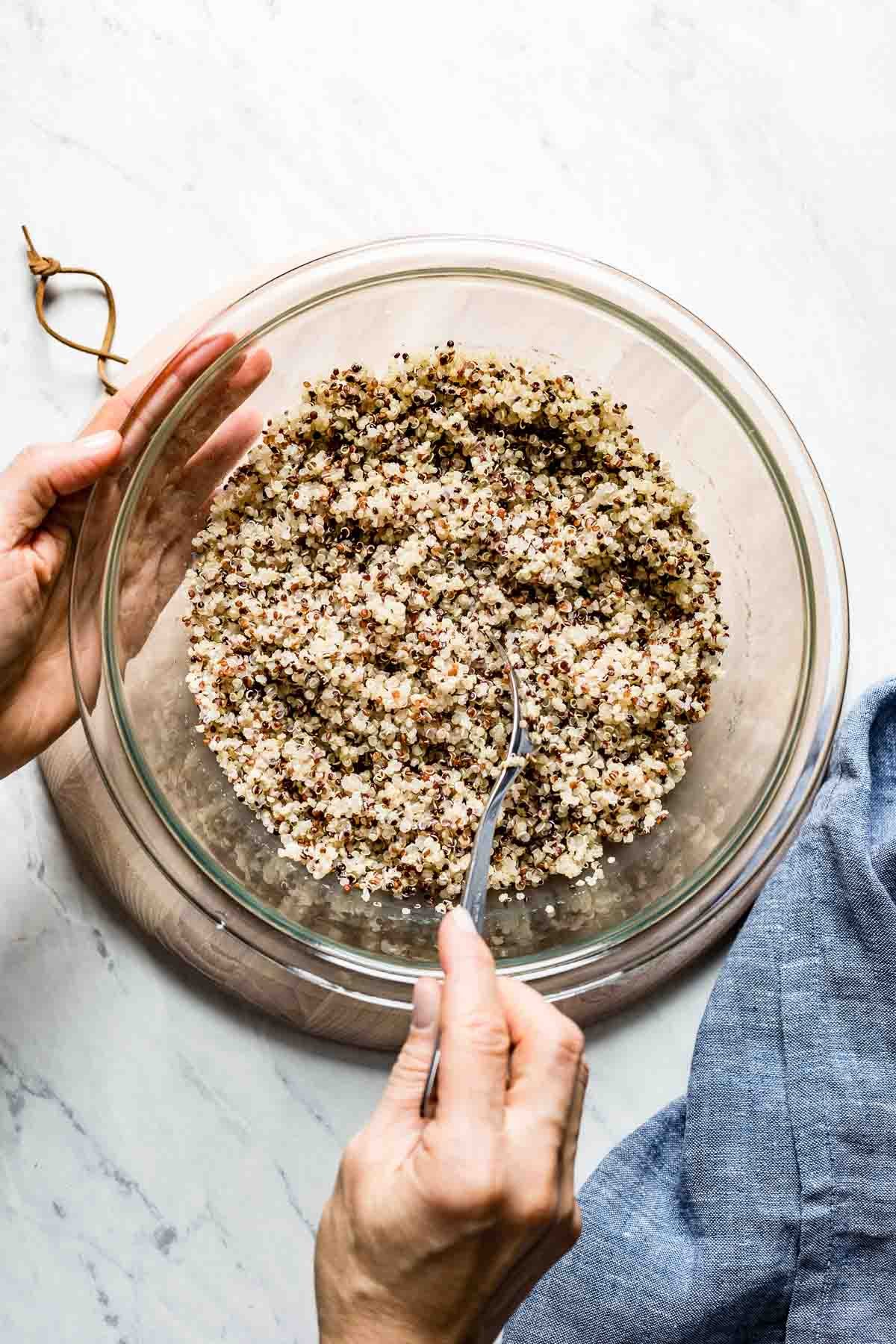
- Fluff with a fork. Remove the dish with heat-safe mitts, take off the plate, and rake the grains; small spiral germ threads should detach clearly from every seed.
Skipping the grain rinse
The single most common mistake people make is skipping the initial rinse. Quinoa naturally carries a protective outer coating of bitter chemicals called saponins. When you leave saponins on the grain, the dish tastes unpleasantly soapy, and the foam in your bowl rises twice as high.
When to stop and get help
Cooking grains in a microwave is simple, but certain physical warning signs mean you must stop:
- Sparks or electrical arcing appear inside the cavity, caused by metallic glaze on decorative ceramic bowls.
- Plastic containers soften, bend, or blister, which releases harmful chemicals into hot food.
- Thick white smoke pours from the bowl, indicating all moisture evaporated and the grain is burning.
- The microwave fan or turntable stops moving while heat continues running.
A certified appliance repair technician must handle internal electrical faults or broken heating components; never operate a damaged microwave.
Can you cook quinoa in the microwave with chicken broth?
Yes. You can swap the two cups of water for two cups of unsalted chicken or vegetable broth using the exact same times. Check that the broth contains no thick starches or dairy, which burn on high microwave power.
Why did my quinoa overflow in the microwave?
Your bowl was too small or completely sealed. Starch creates foam that expands rapidly as water boils. Always use a bowl holding at least two quarts for one cup of dry grain, and leave the cover vented.
How long does quinoa take to cook in the microwave?
About 21 minutes total. For a 1,000-watt model, heat for six minutes on high, ten minutes on 50% power, and rest for five minutes. A 700-watt unit requires about four additional minutes of cooking time overall.
Is it safe to reheat cooked quinoa in the microwave?
Yes. Place refrigerated grain in a microwave-safe dish with one tablespoon of water per cup, cover it loosely, and heat on high power until steaming hot throughout. Consume it immediately once heated.
What happens if you don’t cover quinoa in the microwave?
The water evaporates into the appliance cavity before the hard grain centers can soften. Uncovered seeds stay dry, crunchy, and partially raw, leaving you with an unchewable bowl of burnt seeds.
Does red quinoa take longer in the microwave than white?
Yes.
What to do next
Rinse one cup of dry seeds in a fine strainer until the rinse water runs clear. Put the seeds into a deep glass bowl with two cups of fresh water, set your timer, and expect fluffy grains with visible, detached spiral germs. If burning smells or electrical sparks come from your appliance, stop the cycle immediately and unplug the power cord.