
How Many Watts Should a Blender Have for Home Use?
Last Updated on September 9, 2026
Choosing the right blender for your kitchen can feel confusing, especially when you see all the different wattage numbers. You might wonder, “How many watts should a blender have for home use?” The answer matters because it affects how well your blender handles everything from smoothies to soups.
If you pick a blender with too little power, you might end up with lumpy blends or a machine that struggles. But if you go too high, you could be paying for more than you need. You’ll discover the perfect wattage range that fits your everyday blending needs without wasting money or space.
Keep reading to find out what power level will make your blending tasks easier and more enjoyable.
Blender Wattage Basics
Read More – Can You Put Hot Food in a Blender?
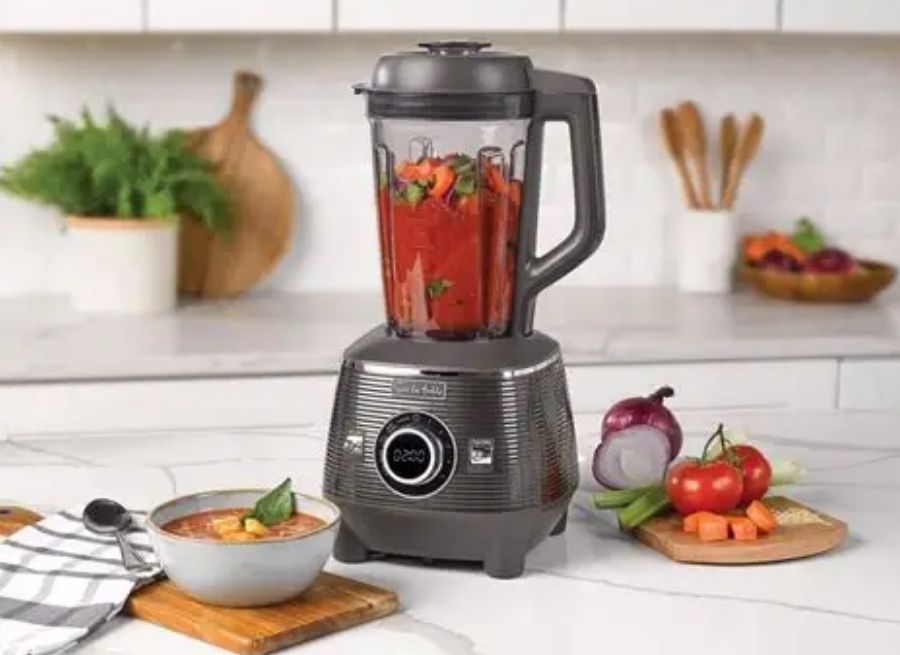
Understanding blender wattage helps you choose the right appliance for your kitchen. Wattage shows the power level of the blender’s motor. It affects how well the blender performs daily tasks like crushing ice or blending smoothies. Knowing the basics can save you time and money.
What Does Wattage Mean?
Wattage measures the energy a blender uses. It shows the strength of the motor inside the blender. Higher wattage means the motor can work harder. Lower wattage usually means less power. The number is often found on the blender’s label or box. This number helps you compare different blenders easily.
How Wattage Affects Performance
Higher wattage means better blending power. It can crush hard ingredients like ice or nuts smoothly. Lower wattage blenders work well for soft foods and light tasks. Stronger motors last longer and handle tough jobs. Choosing the right wattage depends on what you blend most. For everyday use, a blender with 300 to 600 watts often works fine.
Common Wattage Ranges
Blenders come in different power levels. The wattage affects how well the blender performs. Knowing common wattage ranges helps pick the right blender for home use. Each range serves different needs and tasks.
Low-watt Blenders (200-400 Watts)
Low-watt blenders use 200 to 400 watts of power. They handle soft fruits, smoothies, and light mixing well. These blenders work best for simple tasks. They are quiet and use less electricity. Not ideal for tough ingredients or crushing ice.
Mid-range Blenders (400-700 Watts)
Mid-range blenders run between 400 and 700 watts. They blend harder fruits, vegetables, and some ice cubes. Good for everyday kitchen tasks and small batches. They balance power and energy use. A solid choice for most home users.
High-watt Blenders (700+ Watts)
High-watt blenders have over 700 watts of power. They handle tough ingredients and heavy-duty blending. Ideal for crushing ice, nuts, and thick mixtures. These blenders work fast and smooth. Best for serious cooking or frequent use.
Read More – 7 Types of Cookware Every Beginner Should Understand
Choosing Wattage By Usage
Choosing the right blender wattage depends on how you plan to use it. Different tasks need different power levels. Picking the right wattage helps the blender work well and last longer. It also saves energy and money. Let’s explore wattage needs based on common blender uses.
Everyday Tasks And Light Blending
For simple blending tasks, a blender with 300 to 500 watts is enough. It handles smoothies, shakes, and soft fruits easily. This wattage also works well for mixing batters or making salad dressings. It offers good speed without using too much power. Ideal for daily kitchen use without heavy demands.
Handling Tough Ingredients
Tough ingredients like carrots, nuts, or frozen fruits need more power. Blenders with 600 to 800 watts work best here. They crush and chop these hard items without straining the motor. This wattage level also helps blend thicker mixtures smoothly. A perfect balance of strength and efficiency for regular kitchen needs.
Making Nut Butters And Ice Crushing
Nut butters and ice crushing require high power. Look for blenders with 900 watts or more. High wattage ensures blades move through dense nuts and hard ice easily. It prevents overheating and motor damage during heavy use. Great for people who want a versatile blender for tough jobs.
Other Factors Affecting Blender Power
Blender power is not just about watts. Other factors play a big role in how well a blender works. These parts affect the blending performance and the final texture of your food or drink. Understanding these can help you pick the right blender for your home.
Blade Design And Material
Blades come in different shapes and materials. Sharp, sturdy blades cut ingredients better. Stainless steel blades last longer and resist rust. The number of blades also matters. More blades often mean smoother blends. Blades designed for crushing ice or nuts improve performance.
Motor Type And Speed Settings
Not all motors are the same. Some use direct drive motors that are stronger and quieter. Others have belt-driven motors that may wear out faster. Speed settings control how fast the blades spin. Multiple speeds give more control for different foods. Pulse mode helps chop or mix without overblending.
Jar Material And Shape
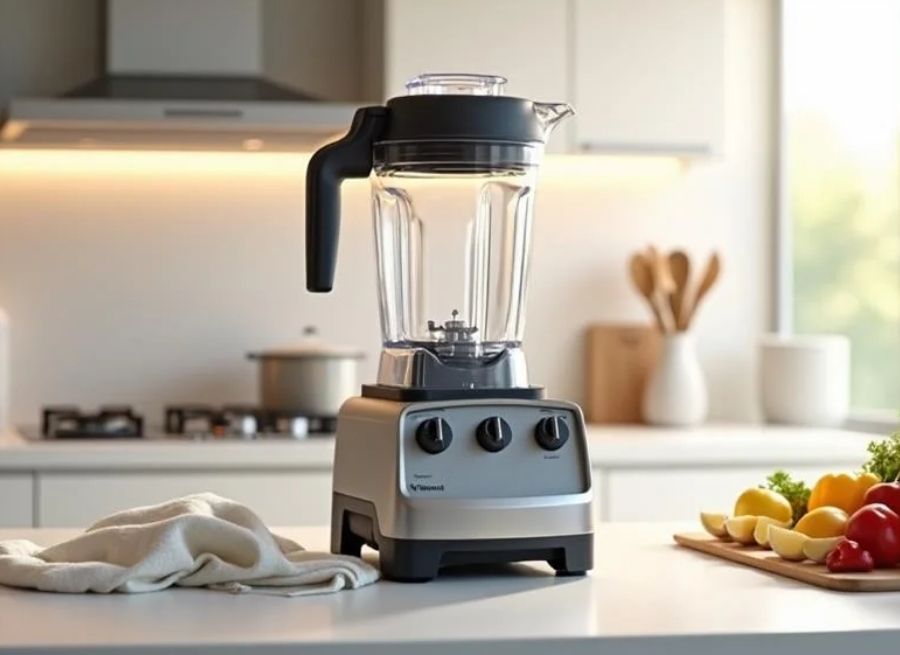
Jars come in glass, plastic, or metal. Glass jars are heavy but do not stain or absorb odors. Plastic jars are light and less likely to break. The shape of the jar affects blending flow. A jar with a narrow bottom pushes food toward the blades better. This reduces the need to stop and stir.
Energy Efficiency And Noise Levels
Read More – Top 5 Cookware Materials and What They Are Best For
Choosing the right blender means thinking about energy use and noise. These two factors affect daily use and comfort in your kitchen. A blender that uses power wisely saves money on electricity bills. Quiet operation keeps the kitchen peaceful, especially in the morning. Let’s explore how wattage plays a role in energy efficiency and noise levels.
Power Consumption Considerations
Blenders with higher wattage usually use more electricity. But they often blend faster. This can reduce total running time. A blender with 300 to 600 watts is usually enough for most home tasks. It uses less power and still blends well. For tougher jobs, 700 to 1000 watts may be needed. These models draw more power but finish tasks quicker. Choosing the right power level helps balance energy use and performance.
Noise Impact Of Different Wattages
Higher watt blenders tend to be louder. The motor works harder and creates more noise. Lower watt blenders are quieter but may struggle with hard ingredients. Noise levels can range from a soft hum to a loud roar. Some blenders have noise-reducing features to keep sounds down. Consider where you will use the blender and how noise affects you. A quiet blender makes morning routines easier and less stressful.
Tips For Selecting The Right Blender
Choosing the right blender is not just about power. It is about how well it fits your kitchen needs. Consider your cooking habits and what you usually blend. This helps pick the best wattage and features.
Think about the types of foods you prepare. Soft fruits and smoothies need less power. Harder ingredients like nuts or ice require stronger motors. Matching blender power to your style saves money and space.
Matching Wattage To Your Cooking Style
Simple blends like sauces or smoothies work well with 300 to 500 watts. These blenders handle soft ingredients smoothly. For tougher jobs like crushing ice or blending nuts, aim for 600 to 800 watts. Heavy-duty blenders over 1000 watts suit frequent cooking or large batches. Choose wattage based on what you blend most.
Balancing Power And Budget
Higher wattage usually means higher cost. Decide what power fits your budget. Mid-range blenders offer good power and value. Avoid paying for extra watts you do not need. A well-balanced blender saves money and performs well.
Brands Known For Reliable Wattage
Some brands deliver consistent power and durability. Look for brands with positive user reviews. Brands like Ninja, Vitamix, and KitchenAid often provide reliable wattage. Check product details for wattage specs before buying. Trusted brands reduce the risk of poor performance.
Frequently Asked Questions
How Many Watts Are Ideal For Everyday Blenders?
For typical home use, blenders with 300 to 600 watts are ideal. They handle smoothies, sauces, and soft ingredients well without excess power.
Can A Low-watt Blender Crush Ice Effectively?
Blenders under 400 watts usually struggle with ice. For crushing ice, choose models with at least 600 watts to ensure smooth results.
Does Higher Wattage Mean Better Blending Quality?
Higher wattage generally means stronger motors and faster blending. However, quality blades and design also impact performance, not just wattage alone.
What Wattage Blender Is Best For Tough Ingredients?
For nuts, seeds, and fibrous vegetables, choose blenders with 700 watts or more. They provide enough power to blend tough ingredients smoothly.
Conclusion
Choosing the right blender wattage depends on your needs. For basic tasks, 300 to 500 watts work well. More power, around 700 to 1000 watts, handles tougher ingredients easily. A strong motor blends smoothies, ice, and nuts smoothly. Remember, higher watts mean better performance and longer blender life.
Think about what you blend most often. That helps pick the right blender for your kitchen. A good wattage keeps your food prep quick and easy. Simple and smart choices make blending a breeze every day.