Can You Put Hot Food in a Blender?
Last Updated on September 9, 2026
Have you ever wondered if it’s safe to put hot food straight into your blender? Maybe you’re eager to whip up a creamy soup or a spicy sauce without waiting for it to cool down first.
But before you press that blend button, there are important things you need to know. Using your blender the wrong way could lead to messy spills, burns, or even damage to your appliance. Keep reading, and you’ll discover simple tips to blend hot food safely and get the perfect texture every time.
Your kitchen routine might just get a whole lot easier.
Safety Risks Of Blending Hot Food
Read More – 7 Types of Cookware Every Beginner Should Understand
Blending hot food can seem convenient, but it has hidden dangers. Many people do not realize the risks involved. Understanding these risks helps prevent accidents and damage.
Hot food creates steam inside the blender jar. This steam builds pressure quickly. Without care, this pressure can cause serious problems.
Pressure Build-up And Explosions
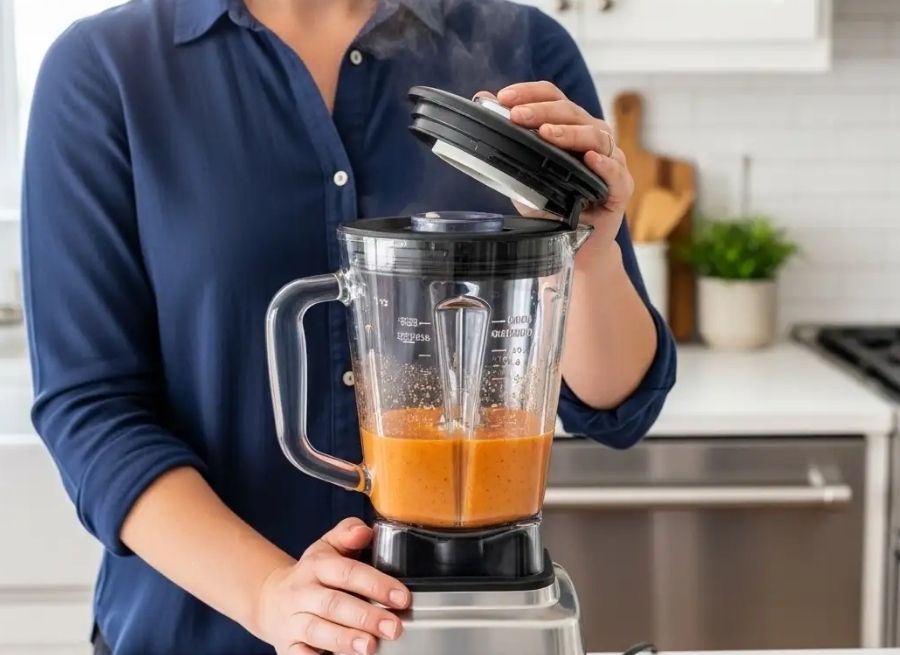
Hot liquids create steam that pushes against the blender lid. This pressure can force the lid off suddenly. The result can be a dangerous explosion of hot food. This can cause burns and a big mess. Blenders are not made to handle high steam pressure.
Burn Risks And Injury
Hot food can splash out during blending. This can cause burns to your hands and face. Even small splashes of hot liquid can hurt a lot. Opening the blender too soon can release steam quickly. This sudden steam release can burn your skin.
Damage To Blender Components
Heat can damage the blender parts. Plastic jars may warp or crack from hot food. Seals and gaskets can weaken and leak. The motor may overheat if the blender runs too long. Damaged parts reduce blender life and performance.
Types Of Blenders And Heat Resistance
Understanding the types of blenders and their heat resistance is important before putting hot food in them. Not all blenders can handle hot liquids safely. Using the wrong blender may cause damage or accidents.
Different blenders have different designs and materials. These affect how much heat they can tolerate. Knowing your blender’s limits helps keep your kitchen safe.
Standard Countertop Blenders
Standard countertop blenders are common in many homes. They usually have plastic or glass jars. Most plastic jars are not made for hot liquids. Hot food can melt or warp the plastic. This causes leaks or breaks. Glass jars handle heat better but still have limits. Always check the manufacturer’s instructions for heat tolerance.
High-heat And Immersion Blenders
High-heat blenders are built to handle hot foods. They often have stronger motors and heat-resistant containers. These blenders can blend soups and sauces right after cooking. Immersion blenders are handheld and can be used directly in hot pots. They are designed to mix hot liquids safely without risk of damage.
Glass Vs Plastic Containers
Glass containers resist heat better than plastic ones. They do not warp or melt with hot food. Glass also does not absorb odors or stains. Plastic containers are lighter and less breakable. But many plastics soften or deform with heat. Look for BPA-free and heat-safe labels on plastic jars.
Tips For Blending Hot Food Safely
Blending hot food needs care and attention. Hot liquids can cause pressure inside the blender. This pressure might make the lid pop off. It can lead to burns or a big mess. Follow these tips to blend hot food safely and avoid accidents.
Allowing Food To Cool Slightly
Let hot food cool for a few minutes before blending. Cooling reduces steam and pressure inside the blender. This step lowers the risk of hot splashes. Food should be warm, not boiling, for best results.
Using The Lid Vent Or Removing It
Some blender lids have a vent or removable center cap. Use this vent to let steam escape slowly. Keep the lid firmly in place while blending. Never blend hot food with the lid off completely.
Blending In Small Batches
Pour hot food in small amounts. Blending smaller batches reduces pressure buildup. It also helps blend food more evenly. Pour out the blended food before adding more hot food.
Alternatives To Blending Hot Food
Read More – Top 5 Cookware Materials and What They Are Best For
Blending hot food in a regular blender can be risky. The heat can cause pressure to build up, leading to spills or burns. Thankfully, there are safer methods to handle hot food without losing texture or flavor. These alternatives help you prepare smooth and creamy dishes safely.
Using Immersion Blenders
Immersion blenders are handheld devices. They allow you to blend food directly in the pot. This eliminates the need to transfer hot food. You can puree soups, sauces, and stews easily. The risk of splashing hot liquid is much lower. Immersion blenders are simple to clean and store.
Pureeing On The Stove
Pureeing on the stove uses a masher or fork. Heat the food until soft and mash it until smooth. This method works well for soft vegetables and fruits. It takes more time but avoids any blender risks. You keep full control over the texture and thickness.
Food Processors And Heat Considerations
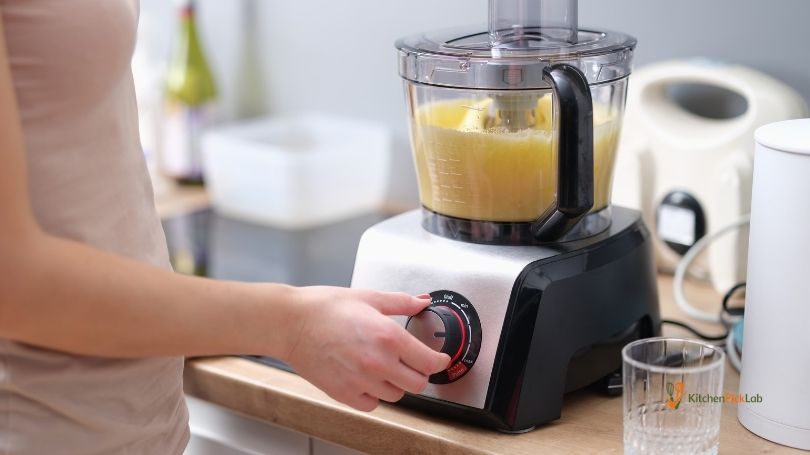
Food processors can handle some warm foods, but caution is needed. Let the food cool slightly before adding it. Hot steam can damage the machine or cause spills. Use short bursts to avoid overheating. Always check your model’s instructions for heat limits. Food processors chop and mix but may not create as smooth a texture as blenders.
Common Mistakes To Avoid
Blending hot food can be tricky. Many people make simple mistakes that cause accidents or damage the blender. Avoid these common errors to keep your kitchen safe and your blender working well. Understanding these mistakes helps you blend hot food with ease and confidence.
Sealing The Lid Too Tightly
Putting the lid on too tight is risky. Hot steam builds pressure inside the blender. This pressure can cause the lid to pop off suddenly. Always leave a small gap or use a vented lid. This lets steam escape safely without splashing hot food.
Overfilling The Blender
Filling the blender too full is a common error. Hot food needs space to move around. Overfilling can cause spills and pressure build-up. Fill the blender only halfway or less. This keeps your kitchen clean and prevents accidents.
Blending At High Speeds Immediately
Starting at high speed can be dangerous. Hot food may splash or spill out fast. Begin blending on low speed first. Gradually increase speed once the food mixes well. This method controls splashes and protects your hands from burns.
Read More – 5 Everyday Cookware Pieces for a Practical Home Kitchen
Frequently Asked Questions
Can You Blend Hot Soup Directly In A Blender?
Yes, you can blend hot soup, but let it cool slightly first. Ensure the blender lid has a vent or remove the center cap to release steam and prevent pressure buildup.
What Safety Precautions Are Needed For Blending Hot Food?
Always hold the lid tightly and start blending at low speed. Use a towel over the lid for extra grip. Avoid filling the blender jar more than halfway to prevent spills.
Will Hot Food Damage My Blender Blades Or Jar?
Most high-quality blenders can handle hot foods without damage. However, avoid sudden temperature changes, which may crack glass jars or warp plastic. Check your blender’s manual for temperature guidelines.
Can I Blend Boiling Water In A Blender Safely?
Blending boiling water is risky due to steam pressure. Let water cool below boiling before blending to avoid accidents and ensure safe handling.
Conclusion
Blending hot food can be safe if done with care. Always leave the blender lid slightly open to let steam escape. Avoid overfilling the jar to prevent spills or burns. Use short pulses instead of running the blender continuously. Let hot food cool a little for better results.
Following these steps helps protect you and your blender. Enjoy making soups, sauces, or smoothies safely at home. Simple precautions make blending hot food easy and worry-free.