
Can You Use An Immersion Blender For Mashed Potatoes? The Fix
No, you should not. Can you use an immersion blender for mashed potatoes? The answer is strictly no if you want light, fluffy spuds instead of a sticky paste. The only condition that flips this is when you intend to make a runny potato soup or garlic dip rather than traditional mash. Put down the motor unit and grab a manual hand masher or ricer instead.
When to use an immersion blender for potatoes
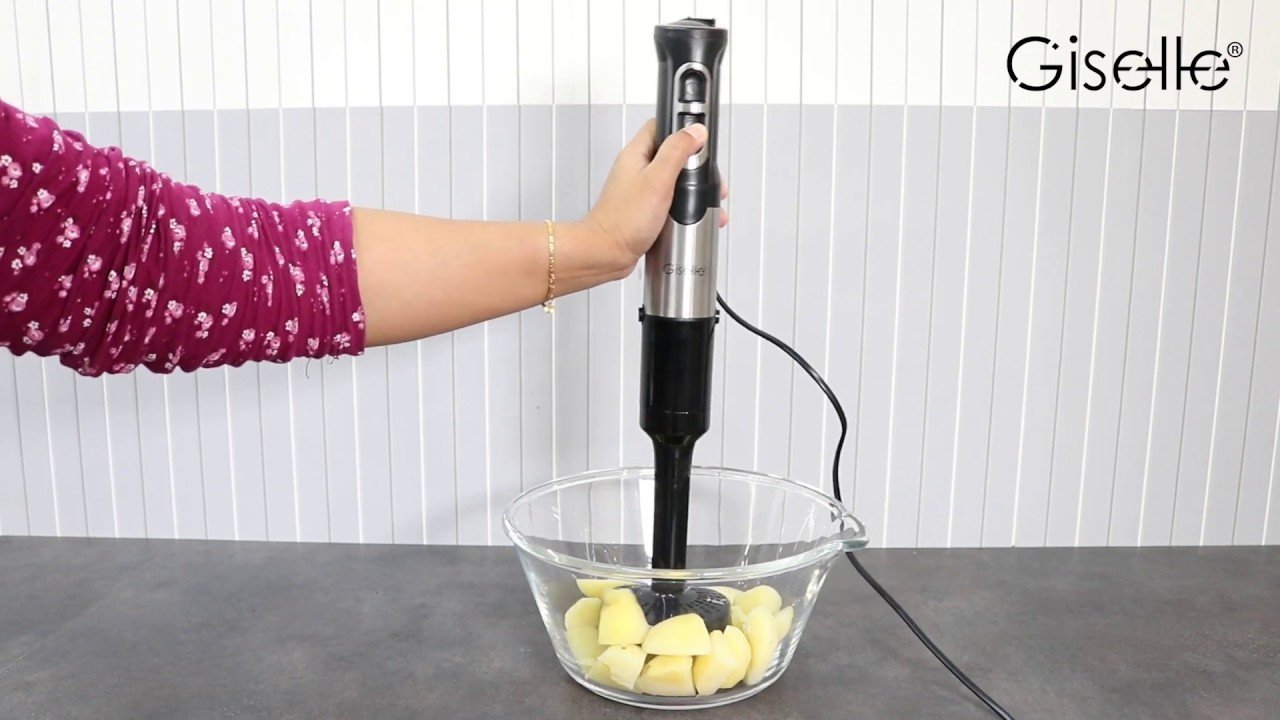
Your cooking goal changes which tool gives you good results.
| Your situation | Answer | Why |
|---|---|---|
| Standard dinner side mash | No | High-speed blades tear cells and turn starch gummy |
| Smooth potato leek soup | Yes | Added broth keeps sheared starches thin and pourable |
| Sweet potato mash | No | Over-processing causes the same gummy texture change as white potatoes |
| Thin potato garlic dip | Yes | Heavy olive oil and liquid mask starch release |
| Chunky, skin-on potatoes | No | Blender blades trap peels and shred texture unevenly |
| Reheating leftover mash | No | Blending cold starch creates an instant glossy slime |
How blade speed ruins potato starch
Potato cells hold tiny packets of starch called amylose and amylopectin. When you boil potatoes, these cells swell up with water. A hand masher simply pushes the swollen cells apart, leaving them whole so the dish stays light and airy. An immersion blender spins its steel blades at thousands of rotations every minute. These rapid blades cut through the cell walls directly. Once sliced open, free starch pours out into the cooking water, butter, and milk. It bonds with the liquid and turns into a thick, stretchy glue.
Potato variety affects how quickly this glue forms. Russets turn into paste within 10 seconds. Waxy potatoes become heavy and glossy under metal blades. Motorized blending saves time but ruins the side dish.
Other tools to use instead
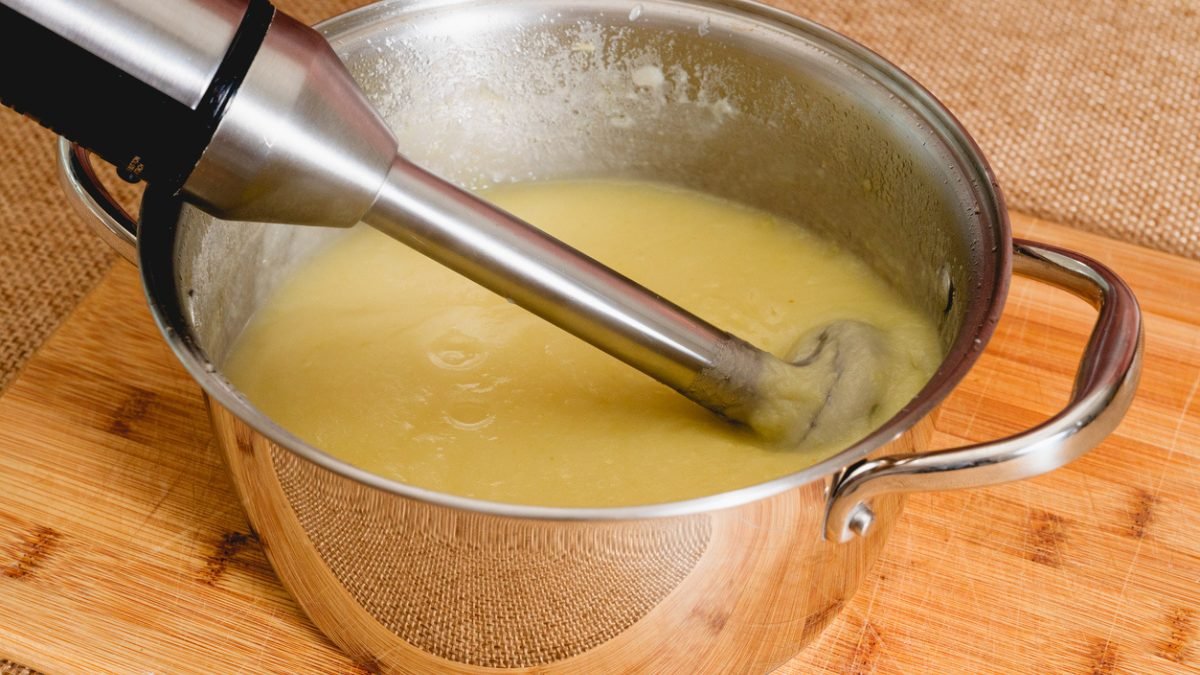
Because blending ruins the potato texture, use one of these manual tools to mash cooked potatoes safely.
- Press the hot chunks through a metal potato ricer. Work in small batches of two or three potato pieces so the hopper doesn’t overflow, pressing firmly until thin, rice-like strands drop into your bowl. This option isn’t for cooks who leave the skins on their potatoes.
- Crush the spuds with a sturdy wire-grid hand masher. Press straight down into the pot with firm body weight for about two minutes until no hard lumps remain under the metal head. This option isn’t for people who want a completely silky, restaurant-style puree.
- Pass the hot cubes through a traditional food mill. Turn the crank handle clockwise across a medium disc until the pulp drops through into the pan below. This option isn’t for cooks working in small kitchens with minimal storage space.
- Whip the cooked potatoes with a standard electric stand mixer. Run the flat paddle attachment on low speed for roughly 30 seconds, stopping the motor as soon as the butter incorporates smoothly. This option isn’t for anyone who forgets to watch the bowl, because two extra minutes of paddle speed will turn the potatoes gummy just like a blender.
The mistake people make
The single biggest mistake cooks make is blending cooked potatoes on high speed to quickly smooth out stubborn lumps. If the center feels firm, boil the pot for another three to five minutes so the vegetable yields easily to a simple hand masher.
When to stop and get help
Cooking potatoes is usually an easy task, but motorized kitchen tools carry specific boundaries you shouldn’t cross.
- The blender motor smells like burning plastic or hot wire, which means the dense potato paste has locked the drive shaft.
- The immersion blender base feels hot to bare skin, which shows the electrical motor is drawing too much current against thick food.
- Liquid gets inside the main motor housing during use, which risks an electrical short.
Stop immediately if the housing cracks or the motor smokes. Home cooks must never open the motor case, change internal wiring, or replace broken drive gears on mains-powered appliances; leave appliance repair to a certified appliance technician or replace the tool.
Frequently asked questions
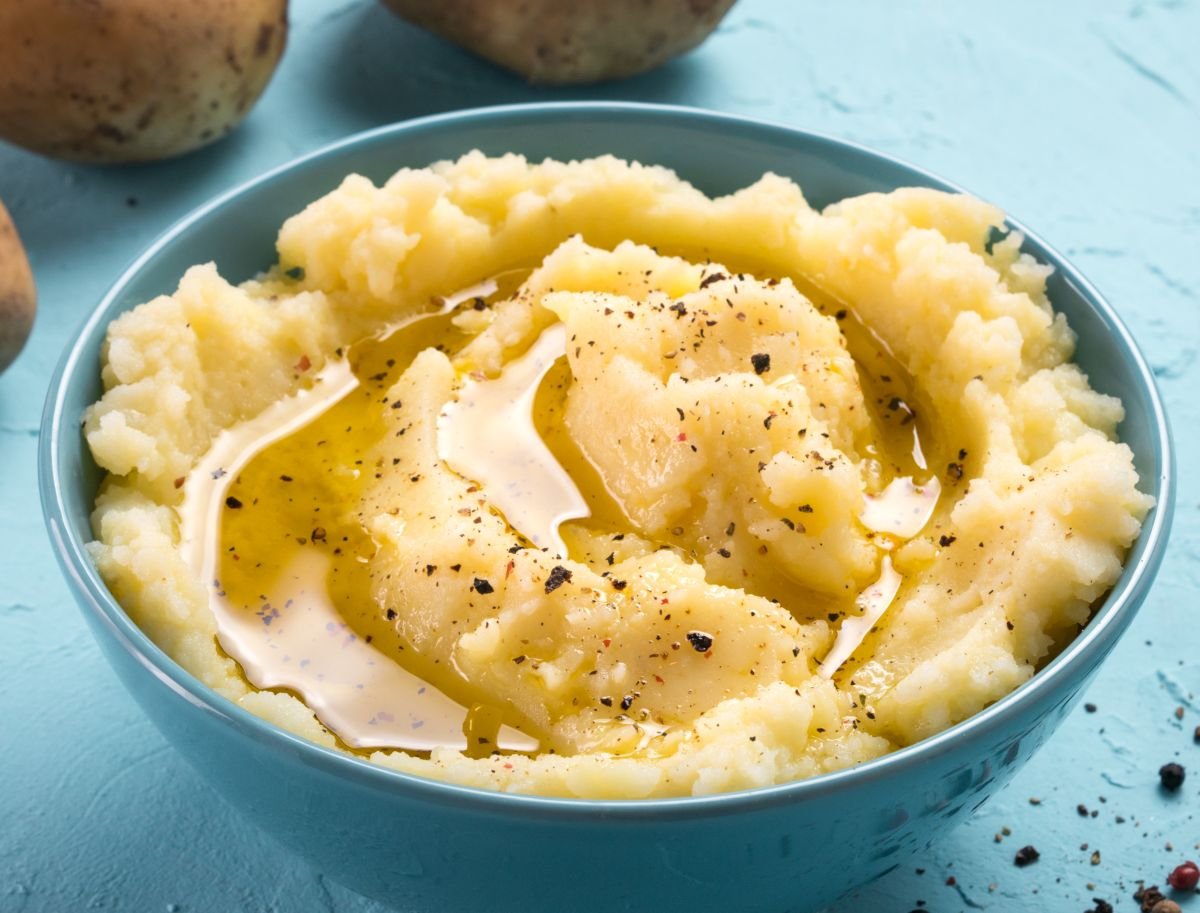
Can you fix gummy mashed potatoes?
No, you can’t reverse the sticky texture once high blades rupture the starch cells. Extra milk only turns the glue into a wet paste. The best save is spreading the mixture into a baking dish with cheese, or thinning it with warm stock to make a smooth soup.
Is an immersion blender safe for hot soup?
Yes, metal immersion blenders handle hot liquids safely if the blade guard stays submerged below the surface. Food safety research published through the National Center for Home Food Preservation highlights that proper heat penetration and safe holding temperatures keep vegetable purees stable. Keep the motor on low speed to prevent hot broth from splashing onto your hands.
Can you use a hand mixer instead of a blender?
Yes, but run it on the lowest speed for less than one minute. Beat the potatoes only until the butter blends in. Fast beaters rip cell walls similarly to blenders, so check the texture every twenty seconds to make sure the mash stays fluffy rather than stringy.
Why do blender mashed potatoes turn like glue?
Rapid metal blades cut potato plant cells open instead of separating them gently. Sliced cells dump thousands of microscopic starch molecules into the warm cooking liquid. These released starches thicken the liquid, creating a gummy, elastic consistency.
Does potato variety change the blending result?
Yes, high-starch Russets turn into paste much faster than low-starch varieties. A waxy red potato has tighter cells and lower starch, so it resists glue slightly longer. However, high blade speeds eventually ruin waxy potatoes too, leaving you with heavy, wet, and gummy food.
Can you use a food processor for mashed potatoes?
No, a food processor causes the exact same problem as an immersion blender. Its spinning bottom blades slice potato cells open within seconds. The batch quickly becomes a shiny, rubbery mass that bounces off the plastic bowl walls instead of mashing down into a soft side dish.
What to do next
Boil your potatoes until a thin fork slides through the thickest piece with no resistance at all. Drain the water completely, then press the tender chunks through a standard hand masher while folding in warm butter. If your potato batch turns shiny, elastic, and pulls away from the pot like dough, stop mashing immediately and turn the mixture into a potato leek soup.