Can You Microwave Red Solo Cups? The Safety Verdict
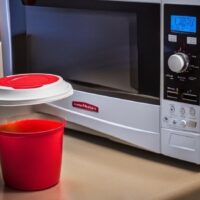
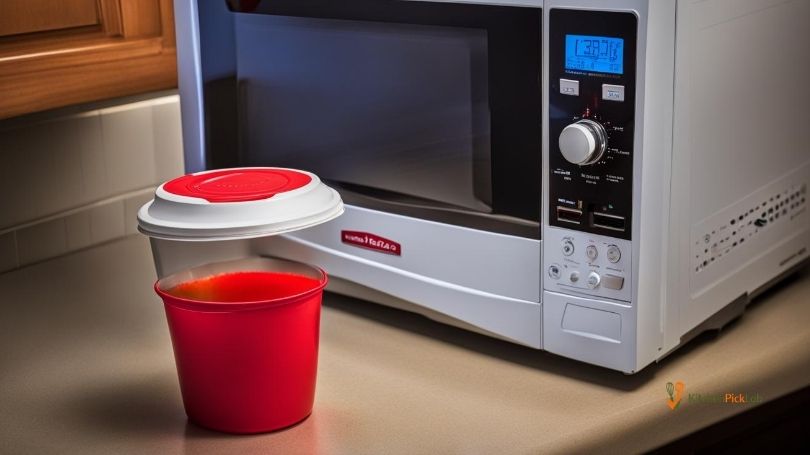
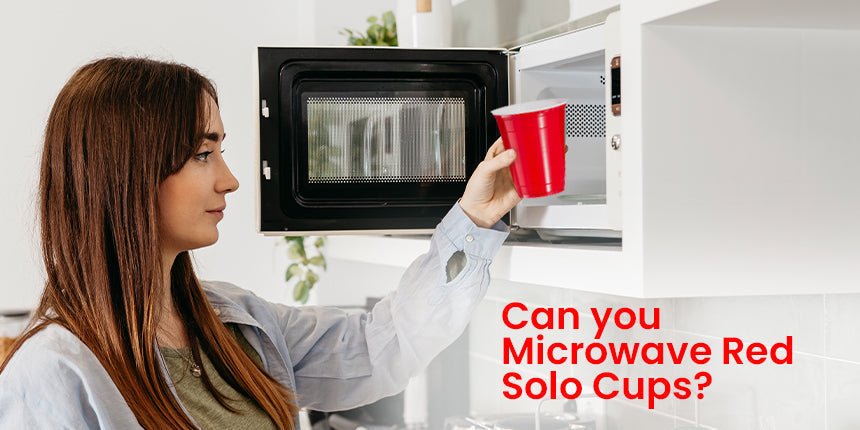
No, you should not. The answer to whether you can microwave red solo cups is only yes if the cup explicitly carries an embossed microwave-safe label or a number 5 polypropylene recycling symbol on the bottom. Traditional party cups warp fast, melt, and release unwanted compounds into your drink. Pour your beverage into an ordinary ceramic mug or glass bowl right now before turning on the microwave.
When you can microwave solo cups
Your cup material determines whether it can safely take the heat inside an appliance.
| Your situation | Answer | Why |
|---|---|---|
| Standard red cup (#6 stamp) | No | Polystyrene melts quickly under high liquid heat |
| Polypropylene cup (#5 stamp) | Yes | Higher heat resistance tolerates liquid warming |
| Embossed microwave-safe symbol | Yes | Manufacturer designed plastic to endure appliance power |
| Warming plain tap water | No | Hot water rapidly distorts thin cup walls |
| Melting butter or cheese | No | |
| Cup lacks any stamp | No | Unknown resin risks leaking unwanted industrial chemicals |
How plastic density controls heating safety
The type of plastic resin used to make the cup decides what happens when the liquid heats up. Traditional party cups use number 6 polystyrene. This plastic has a low heat tolerance. While microwaves target the water molecules in your drink rather than the container, the boiling beverage transfers its thermal energy back into the thin cup walls. Once boiling liquid reaches the plastic, the structure softens, warps, and leaches chemical components like styrene into your drink. The FDA packaging and food contact substances guidance requires materials to remain stable under intended conditions of use, which thin polystyrene can’t do. Thicker containers made from number 5 polypropylene can withstand these thermal loads without breaking down. If your cup shows a number 6 or no recycling code at all, pour the liquid into a ceramic vessel; if the base shows a number 5 or a microwave-safe wavy lines icon, then you can heat it.
Safe alternatives for heating liquids
Because standard party cups are unsafe to heat, use one of these alternative containers instead.
- Transfer the drink to a ceramic mug. Use an ordinary glazed mug to heat coffee, tea, or cider safely at standard 1,000-watt power. This option isn’t for people carrying cold drinks on the move who need disposable ware.
- Pour the contents into tempered glassware. Pour your soup or broth into a glass measuring jug or bowl, which warms evenly without absorbing odors. This option isn’t for anyone packing light party supplies outdoors where glass easily shatters.
- Use a certified microwave-safe paper cup. Pick an unlined paper cup marked specifically for microwave use if you must use disposable drinkware. This option isn’t for oily broths or melting fats that soak through plain cellulose paper walls.
The risk of burning hot fat
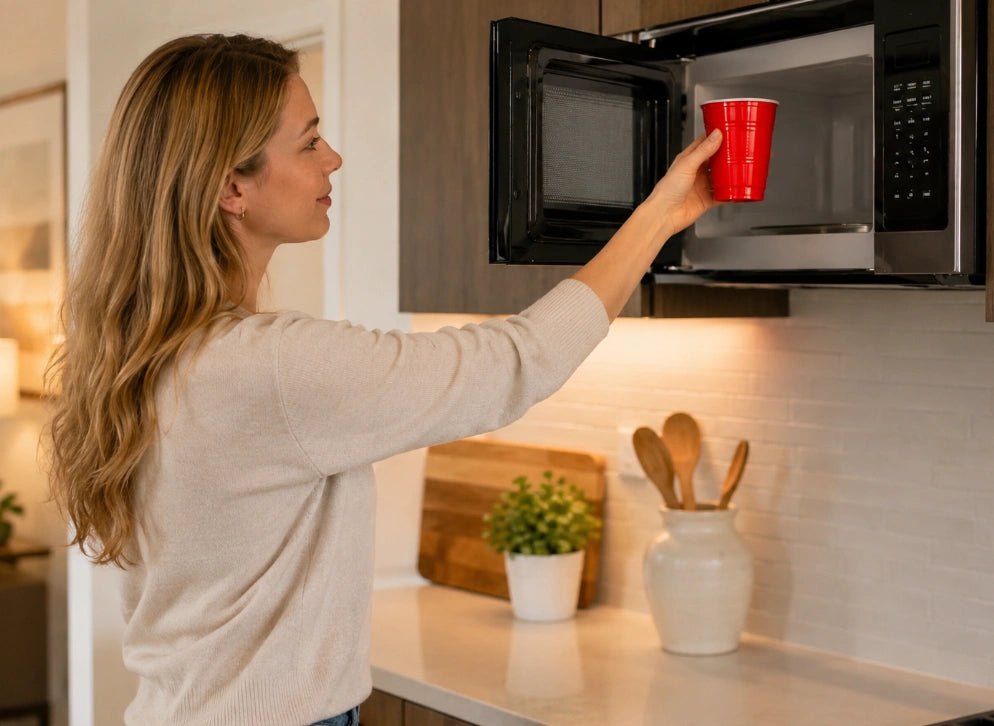
Heating high-fat liquids in thin party cups causes immediate container collapse. Polystyrene melts right through at these temperatures, spilling boiling grease onto your hands, the turntable, and internal microwave vents. This mistake costs you a destroyed lunch, a severe skin burn, and hours spent scrubbing melted plastic off appliance trays. The simple check that avoids this mess is flipping the cup over before pouring: if you don’t see an explicit microwave-safe text mark on the base, keep it away from the appliance.
When to stop and get help
- Molten plastic has fused to the microwave floor, which requires replacing the glass tray or consulting an appliance repair technician to avoid fire hazards.
- You inhaled thick white plastic smoke, meaning you must move outside immediately and contact a medical professional if coughing persists.
- Boiling liquid spilled onto skin, creating blistering burns that need immediate medical evaluation at an urgent care clinic.
This stops being a DIY task when plastic catches fire or chars internal heating elements, requiring professional appliance replacement.
Frequently asked questions
Can you put a red cup in the microwave for 10 seconds?
No, even short bursts weaken thin polystyrene walls. These hot pockets soften the base seams, causing sudden structural collapse when you pick up the cup.
Why do red party cups melt in the microwave?
Red cups melt because boiling liquid transfers heat directly into the polystyrene plastic. The thin resin has a low melting threshold. As the liquid reaches high temperatures, the structural polymer chains relax and the cup collapses.
What happens if you drink from a microwaved red cup?
You risk swallowing leached chemical additives and microscopic plastic fragments.
Can you microwave Solo paper cups?
Yes, but only if the paper cup carries an official microwave-safe label on the carton. Plain paper cups often feature thin wax or polyethylene moisture barriers that melt into drinks under high heat.
How do you know if a plastic cup is microwave safe?
Check the bottom surface of the cup for three wavy lines or a number 5 recycling symbol. If the cup only lists the number 6 or has no stamp, the container isn’t safe for microwave heating.
Is it safe to reheat coffee in a red party cup?
No, hot coffee quickly reaches temperatures that cause thin cup walls to buckle. Always transfer cold coffee into an everyday ceramic mug before heating it for a minute in your microwave.
What to do next
Pour your liquid into a standard ceramic mug or tempered glass bowl before running the microwave. You should expect an evenly warmed drink with the container holding its firm shape throughout the heating process. If you smell foul plastic fumes or notice burning along the turntable, shut the appliance off at the wall and wait for the components to cool completely.
Final Thoughts
Keep your kitchen safe by sticking to ceramic or glass containers whenever you need to heat something up. It’s a simple habit that’ll save you from messy spills and potential chemical exposure. Next time you’re planning a party, just make sure you’ve got plenty of microwave-friendly mugs ready for your guests.