Can Chipotle Bowls Go In The Microwave? Safety Tips
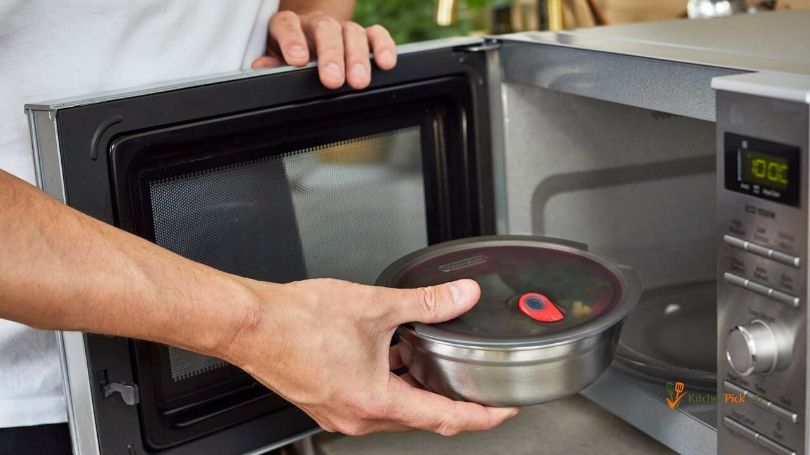
Yes, but with limits. You can safely heat food this way only if you remove the foil lid completely, because whether Chipotle bowls can go in the microwave depends mostly on keeping metal out of the appliance. Take the lid off right now and set it on the counter before you touch any heating buttons. Leaving that cover on creates an immediate fire hazard inside your machine.
When it’s yes and when it’s no

The fiber base can handle gentle heat, but the other parts of the takeout packaging cannot.
| Your situation | Answer | Why |
|---|---|---|
| Fiber bowl base only | Yes | Molded plant fiber handles gentle heat safely |
| Bowl with foil lid | No | Metal can cause arcing and sparks, which may damage the microwave. |
| Clear plastic side cup | No | Thin plastic melts and leaches into food |
| Reheating over two minutes | No | Fiber dries out and scorches under heat |
| Cold ingredients still inside | No | Sour cream and lettuce spoil in texture |
What decides container safety
Metal reflection and heat tolerance decide whether takeout packaging belongs in your microwave. The bowl base is made from molded plant fiber, which tolerates normal moisture and steam without melting. The lid is paperboard lined with aluminum foil. Microwaves can’t pass through metal. Instead, electrical currents build up quickly along the foil surface. These currents jump across folds in the metal, causing sparks and open flames within seconds.
Heat duration also changes the outcome. While the fiber base resists moderate warmth, it can’t withstand prolonged cycles. When you reheat leftovers, the internal moisture turns to steam. If heated too long, the dry edges of the plant fiber will scorch. Reheated meat must reach an internal temperature of 165°F to kill bacteria, as stated on the FoodSafety.gov safe temperature chart. A food thermometer confirms this safety check. If the meal is thick, transfer it to ceramic tableware; if you only need a quick warm-up under sixty seconds, the plant fiber base works fine.
Steps for heating leftovers safely

Moving your food onto permanent dinnerware gives the best heating result, but you can use the original bowl base if you follow exact steps.
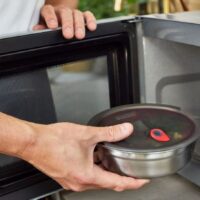
- Strip off the foil lid. Pull the entire cover away from the rim, ensuring no torn bits of foil cling to the edges.
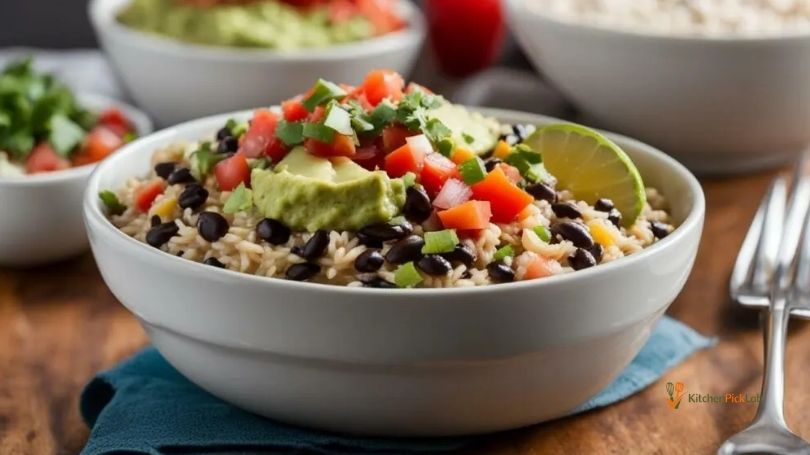
- Scoop out the cold toppings. Move the sour cream, guacamole, and shredded lettuce onto a side plate using a large spoon so they stay fresh.
- Cover with a paper towel. Lay a plain, unprinted white paper towel over the bowl to catch sauce splatters and trap steam.
- Heat in short intervals. Run a 1,000-watt microwave on high power for 60 seconds; at 700 watts allow 90 seconds, or at 1,200 watts check the food after 45 seconds.
- Stir the food thoroughly. Mix the beans, rice, and meat from the outside edges into the center so the temperature evens out.
- Check the core heat. Insert a probe thermometer into the center of the meat until the screen reads at least 165°F.
The mistake of leaving foil on
Leaving the foil cover on the bowl is the single most common error, and it causes direct arc flashes inside the microwave cavity. People often assume that folding the lid open or leaving it half-cracked stops electrical arcing, but exposed metal edges still reflect waves directly into the appliance walls. This mistake costs you a ruined meal and can burn the interior waveguide cover, requiring a costly microwave replacement. A torn, crinkled edge of aluminum is more likely to arc because the sharp edges concentrate the electric field. You can completely avoid this failure by tossing the foil straight into the trash bin before you open the microwave door. Always leave the top completely open or use a paper towel instead.
When to stop and get help

Some kitchen situations are unsafe to handle on your own:
- The microwave sparks, smells like burning wire, or shows black scorch marks on the walls, which means you must unplug the appliance immediately.
- The bowl begins smoking or turns charred brown, showing the fiber reached its combustion threshold.
- The packaging is an older catering tray or mystery plastic container without a clear microwave-safe stamp.
If the microwave shows signs of internal damage, stop using it and consult a professional. Never open the metal housing yourself, because interior capacitors store lethal electrical charges even when completely unplugged from the wall.
Can you microwave Chipotle bowls with the lid on?
No. The lid contains an aluminum foil layer that sparks, arcs, and can catch fire inside your microwave within seconds. Take the lid off entirely and throw it away before heating your food.
Is the clear plastic lid microwave safe?
No. The clear lids used for side portions like salsa or queso are made of thin thermoformed plastic. They warp and melt under heat, which can release unwanted chemicals directly into your food.
How long should I microwave a Chipotle bowl?
About 60 seconds on high power using a standard 1,000-watt microwave. If the center of the meat isn’t steaming hot, stir the contents thoroughly and run the machine for another 30 seconds.
Why did my Chipotle bowl get soggy on the bottom?
Trapped moisture causes this problem. As the rice and beans warm up, moisture leaves the food and settles into the plant-fiber base. Put a ceramic plate under the bowl to catch leaks.
Does the bowl contain harmful chemicals?
Chipotle transitioned to plant-based fiber bowls manufactured without intentionally added PFAS chemicals. This makes the fiber base safer for short, single-use heating than older takeout packaging styles.
Can you put the bowl in a regular oven?
No. The fiber bowl is designed only for holding warm food and short microwave bursts. The dry, high heat of a conventional oven will dry out the plant pulp and start an active fire.
What to do next
Take the foil lid off the container and slide the cold toppings onto a clean plate. You should expect steaming hot food throughout, with meat reaching 165°F on your thermometer after a brief rest. If you smell burning paper or see any sparks inside the machine, hit the stop button immediately, unplug the cord, and let the unit cool down.