Can You Plug A Microwave Into A Power Strip? The Safety Facts
Last Updated on October 9, 2026
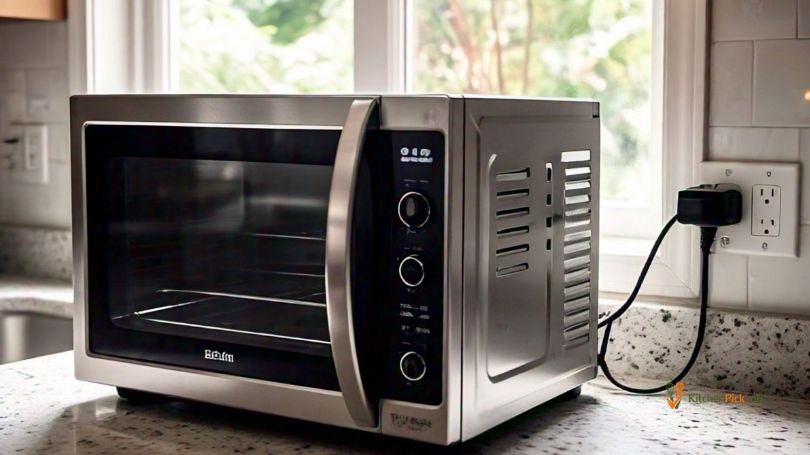
No, you should not. Can you plug a microwave into a power strip? The answer is no, because the high electrical draw creates a serious fire hazard. Unplug the unit immediately if it sits on a basic power strip today.
When you can safely plug in your microwave
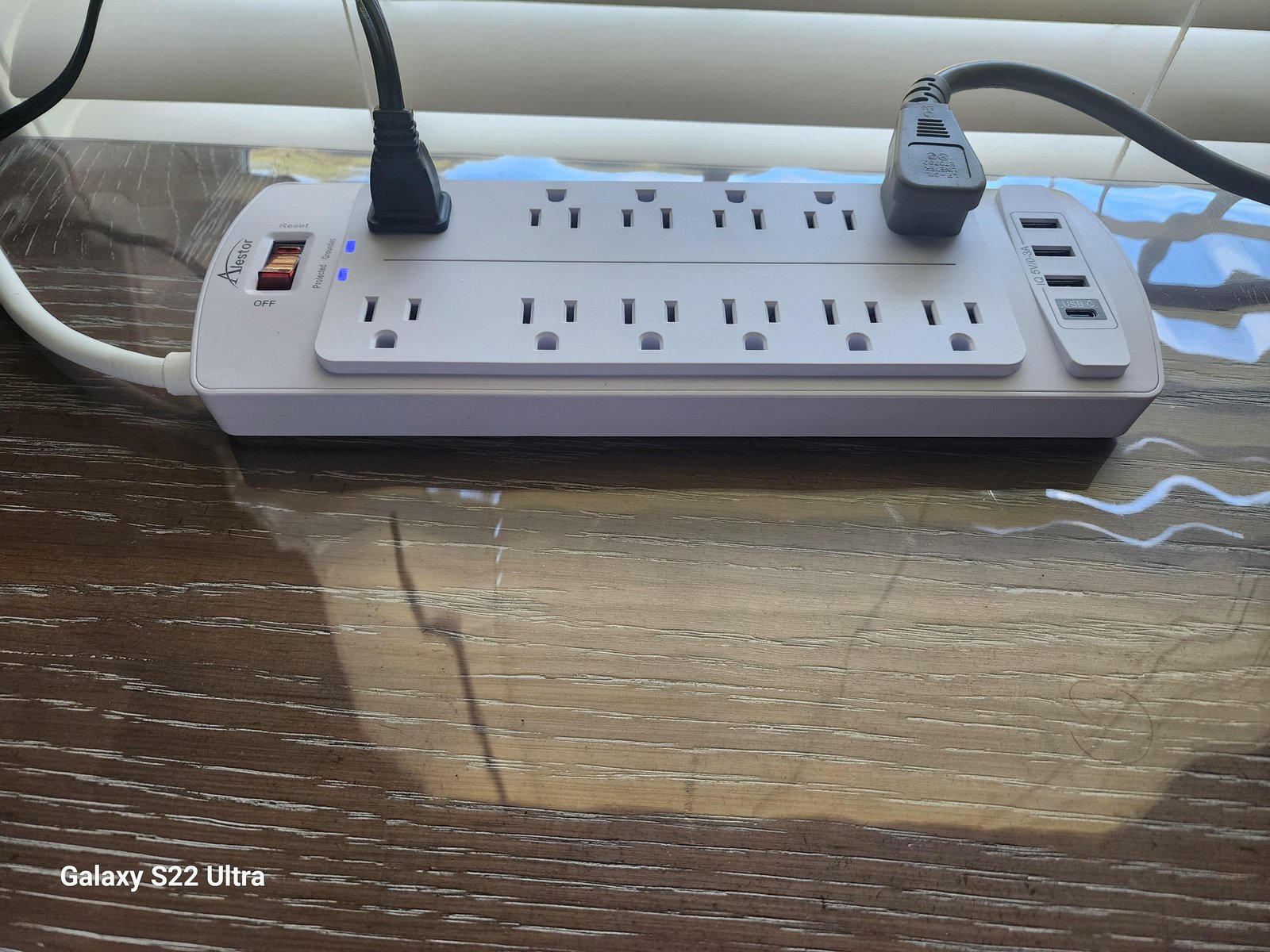
A standard countertop microwave requires a direct connection to a wall receptacle to run safely.
| Your situation | Answer | Why |
|---|---|---|
| Standard thin plastic power strip | No | Wire overheats under heavy draw |
| Shared strip with toaster or coffee maker | No | Trips breaker or melts casing |
| Power strip with surge protection | No | Internal components degrade from high load |
| Wall outlet is direct and grounded | Yes | Wall wiring handles full load safely |
| Dedicated circuit with no other load | Yes | Prevents overcurrent on the house line |
Electrical load and wire gauge
Countertop microwaves draw substantial energy when the magnetron engages. A basic strip can’t carry that current. Most small household units consume between 1,000 and 1,800 watts from the wall, even if their cooking rating is only 900 watts.
Cheap extension blocks use thin 16-gauge or 18-gauge copper wire inside their cords. When high current flows through thin wire, the metal resists the flow and generates intense heat. The plastic insulation around the strip melts, burns, and can spark nearby kitchen materials. Wall outlets connect directly to thick 12-gauge or 14-gauge cables inside your wall, which carry this power without warming up.
The U.S. Consumer Product Safety Commission warns that overloading electrical strips and cords causes thousands of residential fires each year. High-draw appliances like space heaters, toaster ovens, and microwaves pull continuous heavy power that quickly exceeds strip limits. Internal contacts in multi-outlet boards loosen over time, creating resistance and heat.
This varies by model — check the label on the back of your machine to see its exact electrical input ratings before making any connection.
Safe alternatives for distant outlets
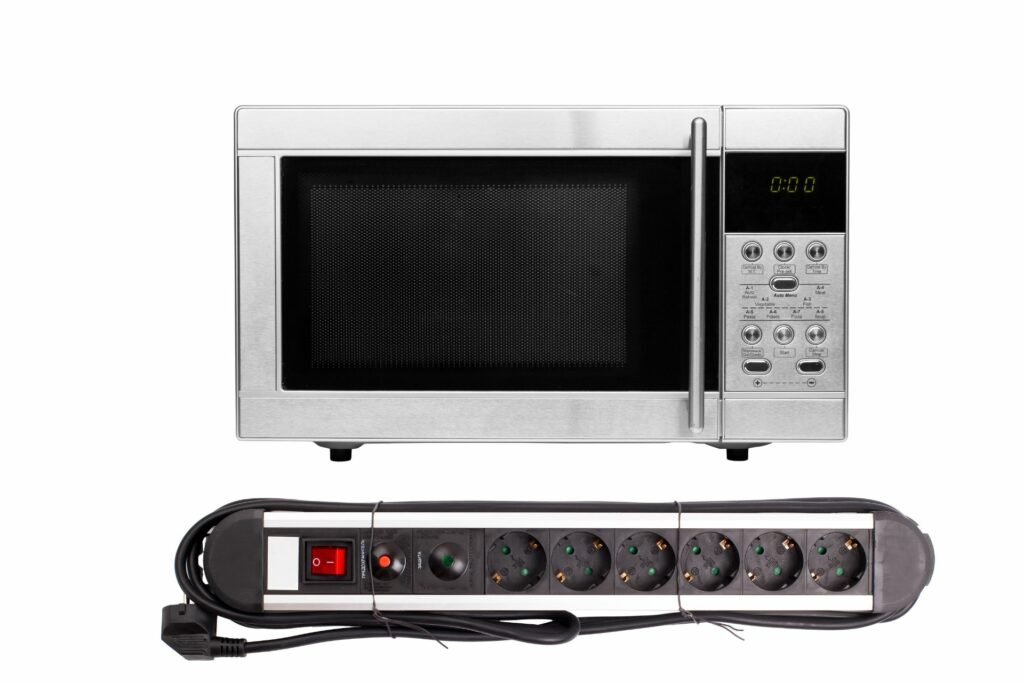
Since the answer is no, you must use alternative options to power the kitchen appliance safely without creating fire hazards.
- Move the microwave closer to an existing wall receptacle. Shift your prep station so the factory appliance cord reaches the wall without tension or bending. You know this worked when the plug sits flush in the wall outlet with slack in the cord. This option isn’t for renters with fixed cabinetry and zero extra counter space.
- Install a dedicated wall outlet near the appliance shelf. Hire a licensed professional electrician to pull a fresh 20-amp line behind your preferred prep counter. You know this worked when the new outlet shows power and has its own labeled switch on your main panel. This option isn’t for people needing an immediate solution this evening.
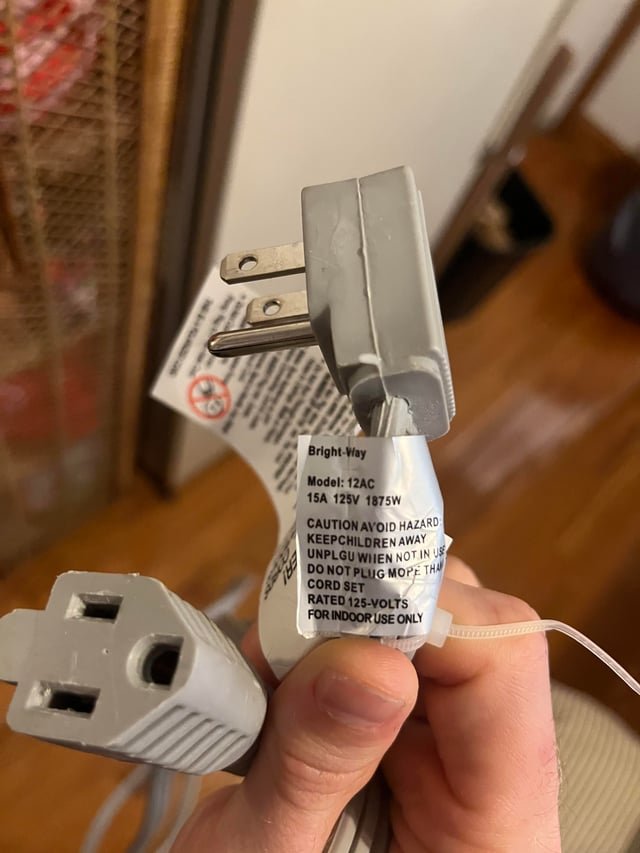
- Use a single-outlet, 12-gauge heavy-duty appliance extension cord. Select a short cord marked specifically for major appliances that doesn’t split into multiple sockets. This option isn’t for permanent multi-year setups behind enclosed cabinets.
Melting the strip enclosure
The single most common mistake people make is sharing a basic strip with other kitchen appliances like coffee pots or air fryers. When two heating appliances run at the same time, the combined load often exceeds the capacity of a standard strip. Consult a technician to ensure your total electrical load never surpasses the rating on your outlet.
When to stop and get help
Some wiring tasks go beyond everyday kitchen adjustments:
- The wall plate feels hot or shows brown scorching around the slots.
- The main panel breaker trips every time you press the start button.
- The microwave plug prongs look discolored, melted, or pitted from arcing.
- You need a new outlet installed closer to the appliance.
Opening household walls, running Romex wire, or altering breakers requires an electrician’s license. Call a licensed electrical contractor whenever you notice burned smells or need new kitchen wiring installed.
Frequently asked questions
Can you plug a microwave into a surge protector?
No, you shouldn’t plug a microwave into an everyday surge protector. Most surge units contain thin internal metal traces that overheat under sustained appliance loads. The surge suppression components degrade rapidly when subjected to the high inductive energy pulses drawn by the appliance’s internal transformer.
Why did my power strip melt from the microwave?
The strip melted because the appliance drew more electrical current than the strip’s internal wiring could safely carry. Excessive current causes electrical resistance, which turns into extreme heat along thin wires. The plastic housing softens and burns when temperatures exceed its thermal rating.
Is it safe to use an extension cord with a microwave?
Usually not, unless you use a thick, single-outlet appliance cord rated for high power usage. Standard household extension cords feature thin wires that overheat quickly. Using regular brown or white lamp cords creates a direct hazard of fire and electrical failure.
What happens if I plug my microwave into a multi-plug adapter?
The adapter can overheat and weld itself to the wall receptacle contacts. Most multi-plug taps don’t feature internal breakers. If you run another heating appliance on the same adapter, you risk drawing excessive current that melts the wall plate before your breaker can trip.
While a thick cord might not melt immediately, long heating cycles generate heat at the plug contact points. Sustained use causes wear, voids your appliance warranty, and increases house fire risks over time.
Does it matter if the microwave is low wattage?
Yes, but you still shouldn’t use a basic multi-outlet strip. Even a compact 700-watt microwave pulls over 1,000 watts from the wall during operation. That initial spike can still strain loose strip connections, especially if anything else draws power from the other sockets.
What to do next
Unplug your microwave from the multi-outlet strip right now and route the factory cord directly to the nearest wall socket. Expect the appliance to run normally, confirmed by a firm plug fit that remains cool during use. If the wall outlet feels loose or trips your circuit breaker, stop using it immediately and call a certified electrician.