Can Mold Grow On Stainless Steel? How to Clean and Prevent It

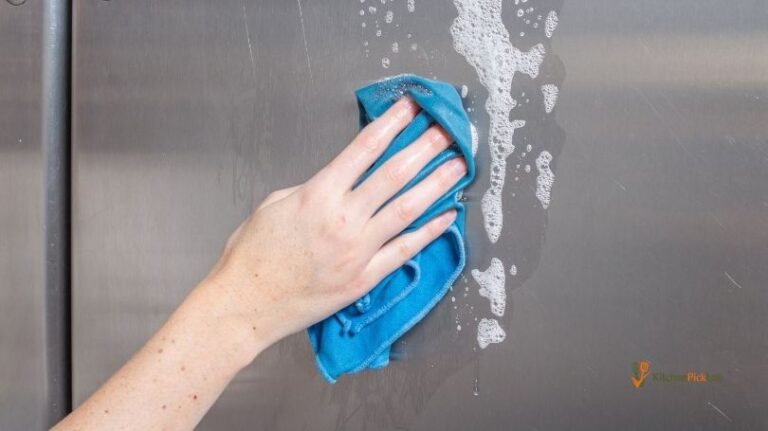
Yes, mold can grow on stainless steel surfaces. The metal can’t feed fungi, but spores multiply on surface grease, oils, soap, or dust. You should wipe down the metal immediately with warm water and mild dish soap to strip away that organic layer before spores spread further.
In this article
When it’s yes and when it’s no
A clean sheet of steel gives fungi nothing to consume, but real-world conditions introduce dirt that flips the outcome.
| Your situation | Answer | Why |
|---|---|---|
| Greasy range hood or splashback | Yes | Trapped cooking oils provide food for spores. |
| Refrigerator door with hand smudges | Yes | Skin oils and humidity support growth. |
| Damp bathroom grab bar with soap scum | Yes | Soap residues act as nutrients in steam. |
| Outdoor grill lid left under a tarp | Yes | Pollen and trapped moisture feed fungi. |
| Daily sanitized kitchen prep table | No | Regular cleaning removes all organic matter. |
| Dry, clean stainless storage rack | No | Spores lack both moisture and food. |
What feeds surface spores
Mold requires moisture, oxygen, and organic nutrients to colonize any environment. Stainless steel provides zero nutrition for fungal organisms. However, everyday household use leaves behind skin cells, starch particles, cooking fats, and ambient dust. These contaminants form a microscopic organic film over the metal. When humidity rises above 60 percent, spores can colonize this grime.
The EPA guide to mold moisture control confirms that controlling indoor moisture remains the essential step to prevent mold growth on any interior structure. Airflow also plays a decisive role in whether spores can settle. Stagnant, humid air inside a dark pantry or behind an unventilated appliance allows condensation to collect on cool steel panels. This condensation hydrates the residue, turning the metal into a petri dish.
How to clean surface colonies
Remove fungal roots and grease without scratching the metal. This method works for standard appliances but not for delicate finishes; check your cookware label first.

- Spray the patch with undiluted distilled white vinegar. Vinegar penetrates porous surface dirt and kills common household mold types without pitting the steel; a light fizzing or wet sheen shows the area is fully covered.
- Let the liquid sit undisturbed for 60 minutes. Let the liquid sit for 60 minutes to allow the acid to penetrate the fungal growth.
- Scrub gently with a non-scratch microfiber cloth. Wipe strictly along the visible grain of the metal to avoid permanent scuff marks; the disappearance of dark patches onto the cloth shows the spores have detached.
- Wash the section using warm water mixed with standard dish soap. Apply a quarter-sized drop of liquid detergent to a wet sponge to lift remaining cooking oils; a clean lather with no greasy resist indicates the food source is gone.
- Rinse with fresh water and dry thoroughly with a towel. Residual moisture invites new airborne spores within hours; a smooth, streak-free surface that feels totally dry to the touch shows the process succeeded.
Bleach damage to metal
Chlorine bleach corrodes stainless steel. Sodium hypochlorite attacks the protective chromium film. This causes pitting and permanent discoloration that ruins the finish. Damage creates crevices where mold and bacteria lodge, leading to costly repairs. Inspect your cleaner label before applying anything to the metal to ensure it contains zero chlorides or chlorine compounds.
When to stop and get help
- The mold patch covers more than 10 square feet across walls and adjacent appliances, which the EPA identifies as the limit for self-cleanup.
- Mold returns within 48 hours of thorough cleaning, signaling a hidden moisture leak inside the appliance insulation or wall cavity.
- Cleaning causes coughing, eye irritation, or breathing trouble, indicating elevated spore counts that require professional remediation.
- Growth stems from black water or sewage backups, creating biological hazards that demand certified biohazard technicians with specialized containment gear.
Frequently asked questions
Can mold ruin stainless steel?
No, mold can’t eat or chemically degrade the metal alloy itself. It only consumes the surface dirt, grease, and moisture resting on the metal. However, leaving wet fungal growth on the surface for months can trap corrosive salts and acids against the metal, leading to cosmetic staining and minor pitting.
Does vinegar damage stainless steel appliances?
No, mild distilled white vinegar is safe for short contact on standard stainless steel. Its weak acetic acid kills spores and cuts grease without dissolving the chromium oxide layer. Rinse the area with clean water and dry the metal thoroughly afterward so acid residues don’t linger on the finish.
Why is mold growing inside my stainless water bottle?
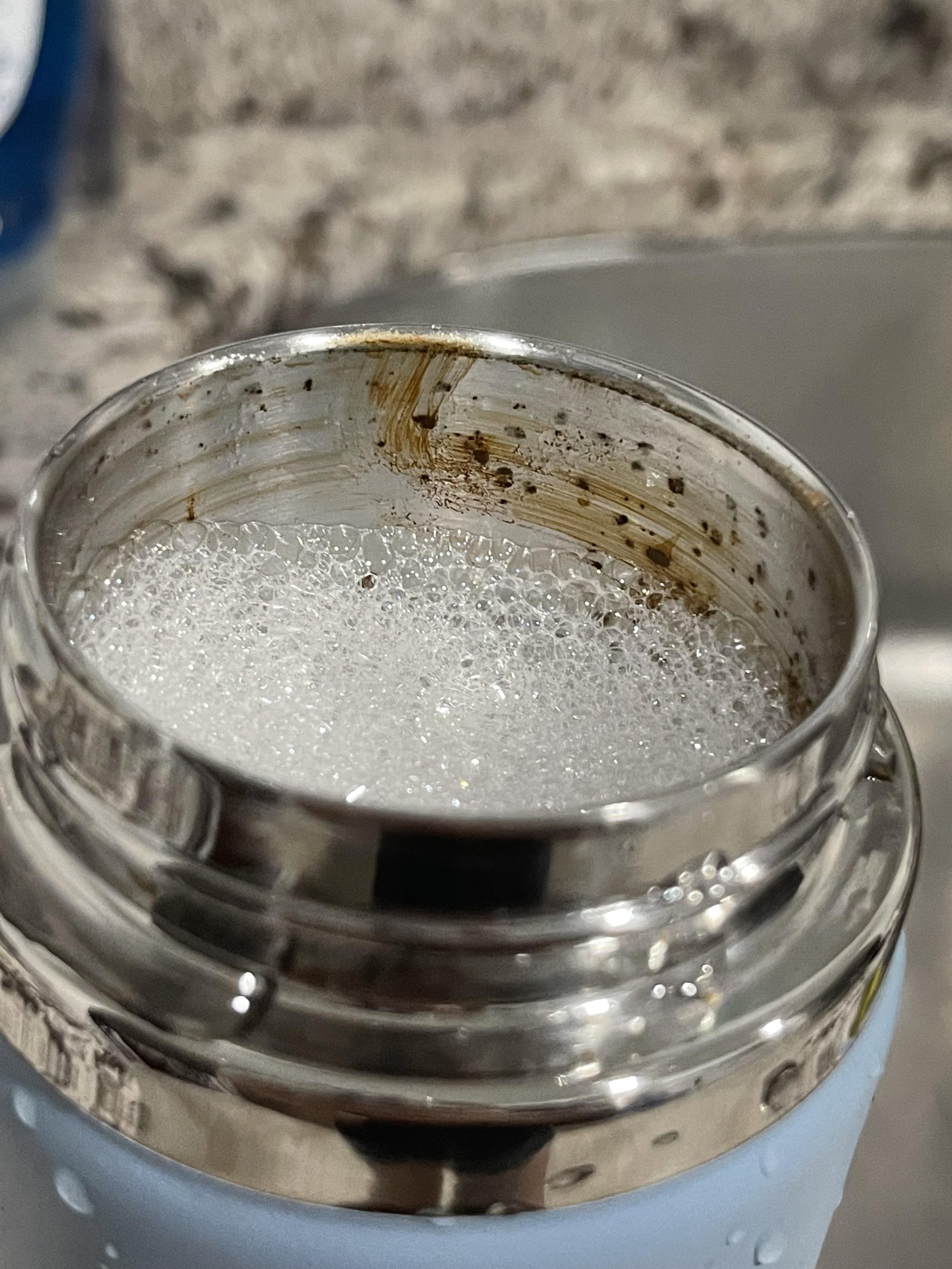
Moisture and drink residues create an ideal environment for spores inside the bottle. Smooth steel resists fungal roots, but unwashed protein powders, milk sugars, or backwash provide plenty of food. Wash the bottle daily with hot water and dish soap, and let it dry completely with the cap removed.
Can black mold grow on clean stainless steel?
No, black mold can’t colonize a sterile, clean steel sheet. Toxic varieties like Stachybotrys chartarum need cellulose-rich organic materials like drywall paper, wood dust, or heavy natural grime to grow. If black mold appears on steel, it’s thriving entirely on trapped organic dust, lint, or heavy moisture films.
Is rubbing alcohol safe to remove mold from steel?
Yes, standard 70 percent isopropyl alcohol kills surface mold spores quickly and evaporates rapidly without harming the metal. Spray the alcohol directly onto the contaminated spot, let it sit for 10 minutes, and wipe it away. Always ensure good room ventilation and keep open flames away while using alcohol.
How long does mold live on dry steel surfaces?
Mold spores can persist on dry metal surfaces for months or even years. They remain inert until environmental conditions support germination. The moment humidity rises or condensation settles on the surface dust, these spores may germinate and begin to grow.
What to do next
Mix warm water with mild dish soap to wash all grease, food residue, and dust off your stainless steel fixtures. You should expect a clean, bright metal surface with zero sticky film or dark spots left on the cloth. If dark spots return within two days despite keeping the room dry, stop cleaning and call a mold remediation specialist to inspect for hidden leaks.