Can You Cook Rice In Stainless Steel Pot? How To Prevent Sticking
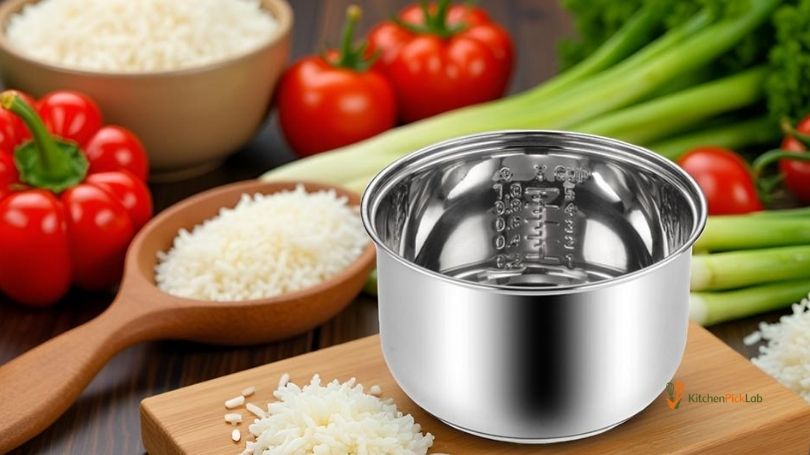
Yes, you can cook rice in stainless steel pot pans without sticking or burning if you control the heat. The answer flips to no if your pot has a paper-thin base that creates intense hot spots. Take your heaviest lidded pot out of the cabinet right now and check the bottom thickness before measuring your grain.
In this article
When it’s yes and when it’s no
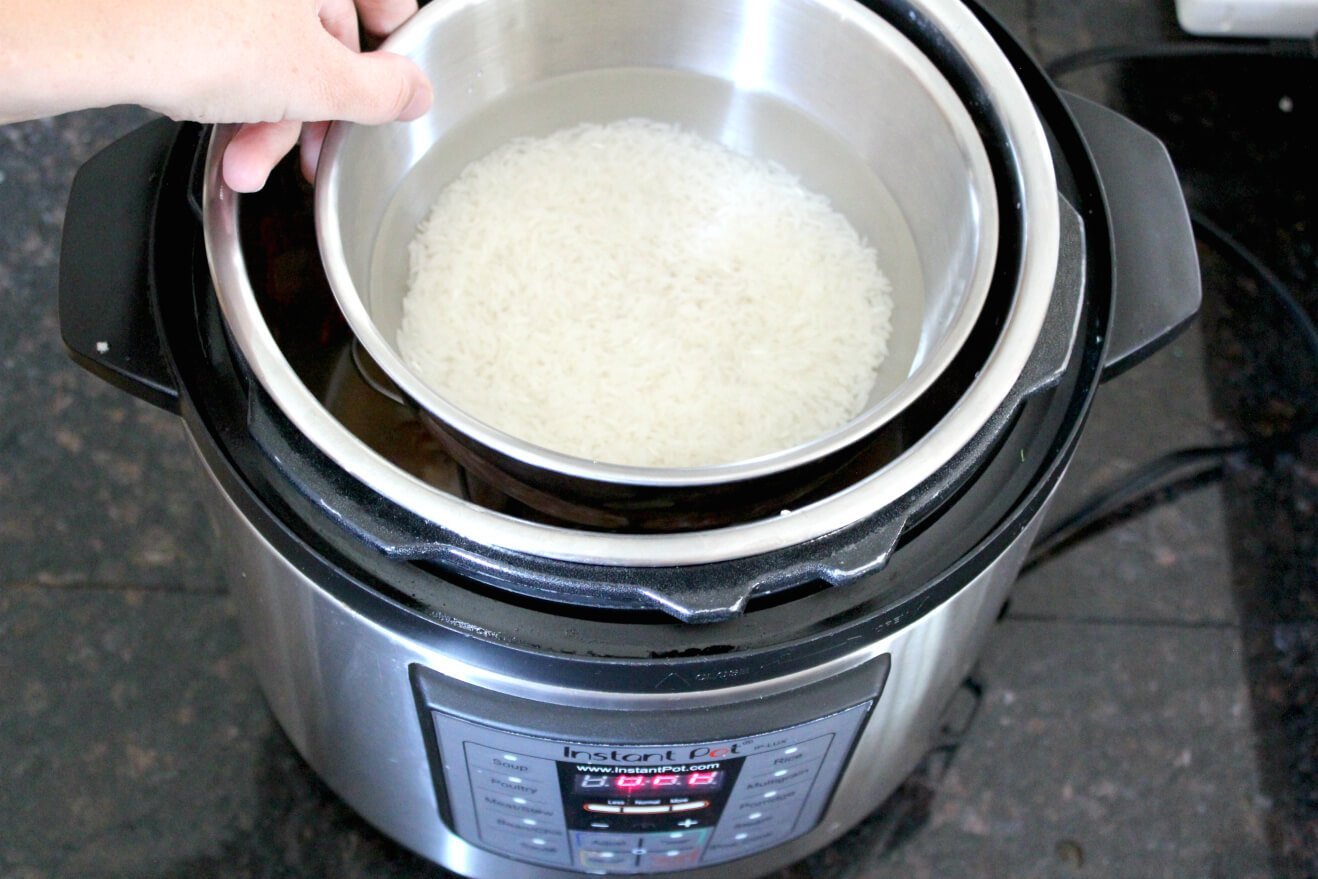
Your cookware design and stove settings decide whether your grains turn out fluffy or scorched.
| Your situation | Answer | Why |
|---|---|---|
| Heavy tri-ply clad pot | Yes | Metal layers spread heat evenly |
| Thin, single-layer bottom | No | Direct flame creates hot spots |
| Tight-fitting heavy lid | Yes | Traps steam needed to cook |
| Lowest stove simmer setting | Yes | Gentle heat prevents burning |
Heat distribution and steam control
The thickness of your pot’s base and the seal of its lid decide your result. Bare stainless steel is a poor conductor of heat compared to copper or aluminum. To fix this, quality cookware sandwiches an aluminum or copper core between layers of steel. If your pan lacks this thick core, heat concentrates directly above the burner element. That localized heat rapidly drives off water and fuses rice starches directly to the steel.
Steam retention matters just as much as base thickness. Rice cooks by absorbing water first, then finishing in trapped steam after the liquid drops below the grain line. When a lid fits loosely, moisture vents into your kitchen instead of softening the grain. This forces the bottom layer to bake onto dry metal before the core of each grain softens. You accept a trade-off here: a heavy stainless pan takes longer to heat up than nonstick, but it holds heat steadily once you cut the flame. Keep in mind that performance varies by model — check the label on your pot’s base to confirm it has multi-ply construction.
If your pot has an aluminum core, use it; if your pot has a thin stamped steel bottom, leave it in the cabinet.
Cooking steps for fluffy rice
Follow these steps to cook standard long-grain white rice in your pan without sticking.

- Rinse the grains under cold running water in a fine strainer until the water runs clear. A clear stream shows you washed away the loose surface starch that makes rice gummy.
- Measure equal parts water and rice into the pot, using 1.5 cups of cold water for every 1 cup of rinsed long-grain white rice. The liquid should sit level across the settled grains.
- Boil the water over medium-high heat with the lid completely off. Large, rolling bubbles across the whole surface show the pot is hot enough.
- Cover and drop heat immediately to your burner’s lowest possible simmer setting. A quiet, gentle hiss under the lid confirms the pot is steaming rather than boiling hard.
- Simmer for 15 minutes without lifting the lid or stirring the pot. An untouched lid keeps the steam trapped inside where it cooks the top layer.
- Rest off heat for 10 minutes on a cool burner with the lid still closed. Grains that pull away cleanly from the pot bottom show the steam finished its job.
This method isn’t for wild rice or whole grains, which require significantly longer cooking times and more liquid.
The heat adjustment mistake
People often leave the burner set to medium heat during the covered simmer stage. This mistake vaporizes all the cooking water in under eight minutes, charring the bottom layer of starch black while leaving the top grains hard and raw. A burnt layer ruins your dinner and costs you up to an hour of hard scrubbing with abrasive pads to salvage the pan. You can easily avoid this outcome by moving the pot to your smallest burner the moment you put the lid on. Check the flame: it needs to be at the absolute lowest setting your stove allows.
When to stop and get help
- Deep pits or gouges appear in the metal surface, which permanently ruins even cooking.
- The base separates or bulges outward, meaning the internal bonding layers failed.
- Heavy acrid smoke pours out from under the lid, showing the grains caught fire.
- Blackened carbon won’t lift after boiling baking soda, requiring commercial cookware restoration.
When a pan warps or delaminates, it stops sitting flat on your stove, which results in uneven cooking. Throw damaged pans away or contact the pot manufacturer for warranty replacement.
Frequently asked questions
Can you cook brown rice in stainless steel pot?
Yes. Brown rice cooks well in stainless cookware, but it needs 2 cups of water per cup of grain and 45 minutes on low heat. Its tough bran layer requires double the simmering time of white varieties to soften properly.
Why does my rice stick to stainless steel?
Your heat is set too high. Excess bottom heat burns off the cooking water before the rice finishes absorbing it, baking starch into the metal. Lower your simmer flame and let the pot rest off the stove before serving.
How long does white rice take in stainless steel?
About 25 minutes total. The pot needs roughly 3 minutes to reach a boil, 12 to 15 minutes of covered simmering on low heat, and 10 minutes of resting off the burner with the lid on.
Is it safe to leave cooked rice sitting in the pot?
No. Cool your leftover rice and move it to the refrigerator within two hours. According to the USDA Food Safety and Inspection Service guidance on leftovers, leaving cooked food at room temperature allows harmful bacteria to multiply quickly.
What happens if I lift the lid while cooking?
Steam escapes and drops the internal temperature instantly. Losing moisture leaves the top layer of rice dry and crunchy, which extends your total cooking time and dries out the grains touching the bottom.
Does soaking rice help prevent sticking?
Yes. Soaking long-grain rice for 20 minutes before cooking hydrates the grain core early. This cuts stove time down slightly and reduces starch release, which helps the bottom layer release cleanly from the steel.
What to do next
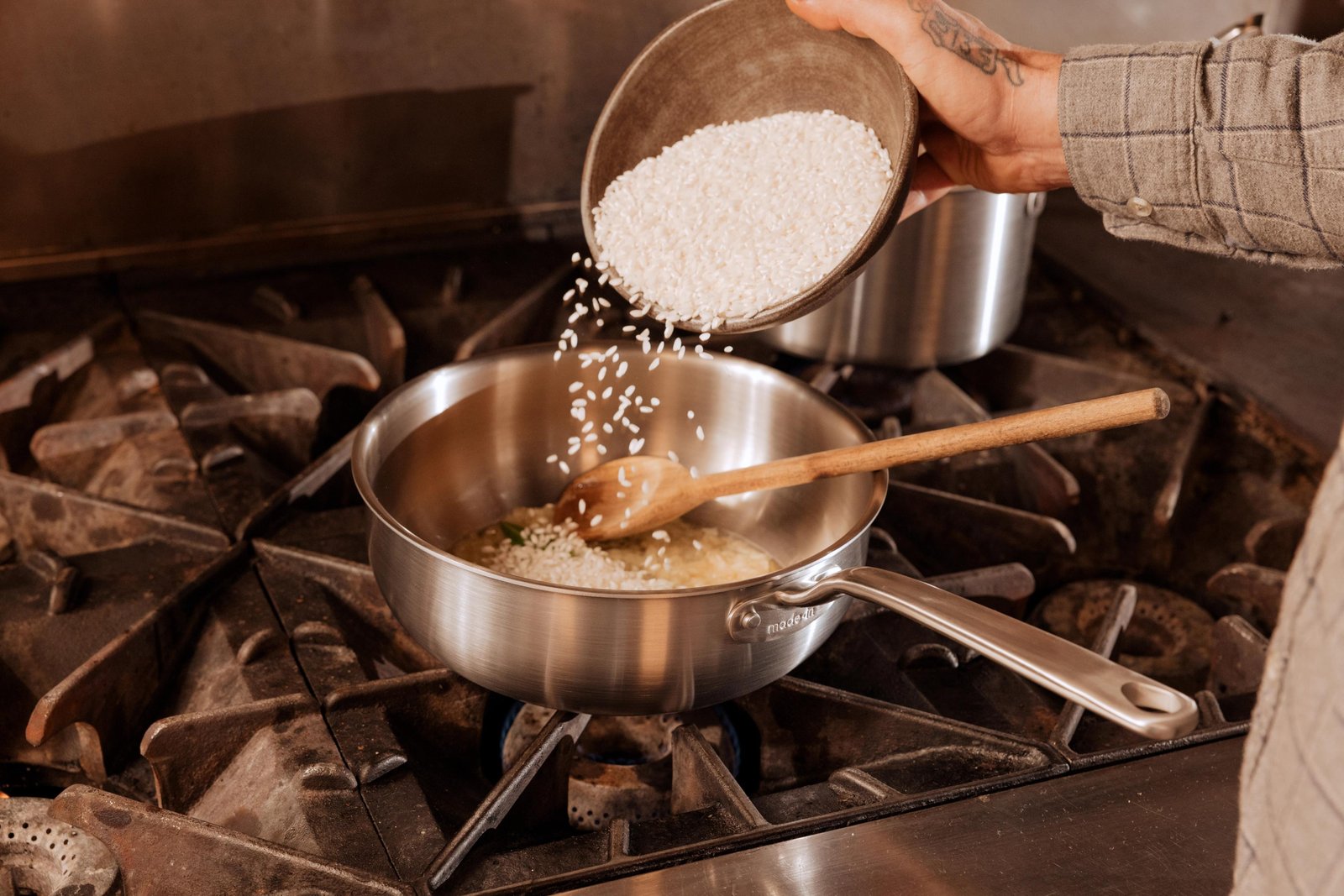
Rinse your grains thoroughly in cold water to remove loose starch before placing the pot on your stove. Expect fully tender, separate grains that lift away from the bottom of the pot with a simple fork. Stop cooking and turn off the burner immediately if you see dark smoke, which signals the bottom has run completely dry.
Final Thoughts
Once you get the hang of the heat settings, you won’t want to go back to a specialized machine. Try a small batch with your favorite long-grain variety this weekend. You’ll be surprised at how easy it’s to achieve perfect, fluffy results once you’ve practiced a time or two.