5 Essential Kitchen Tools Every Home Cook Needs
Last Updated on September 9, 2026
Cooking at home becomes much easier when you have the right tools. You do not need a kitchen full of expensive gadgets to prepare good meals. In fact, many home cooks can make daily cooking faster, safer, and more enjoyable with just a few reliable kitchen tools.
The key is choosing tools that you will use regularly. A sharp knife, a strong cutting board, accurate measuring tools, and a few practical utensils can make a bigger difference than many single-purpose gadgets.
In this guide, we’ll cover the 5 essential kitchen tools every home cook needs, why they matter, what they are best for, and how to choose the right ones for your kitchen.
Why Essential Kitchen Tools Matter
Good kitchen tools make cooking easier from start to finish. They help you prepare ingredients faster, cook with better control, and reduce mistakes in recipes.
The right tools can help you:
- Save time during meal prep
- Improve cutting, mixing, and measuring accuracy
- Cook more safely
- Reduce kitchen frustration
- Make recipes more consistent
- Keep your workspace organized
- Enjoy cooking more often
Many people think better cooking depends only on recipes or ingredients. While those are important, your tools also play a big role. A dull knife, unstable cutting board, or poor-quality pan can make even simple recipes feel difficult.
Read More – 6 Useful Kitchen Utensils for Everyday Cooking
Quick Overview: Must-Have Kitchen Tools
| Kitchen Tool | Best For | Why It Is Essential |
|---|---|---|
| Chef’s Knife | Chopping, slicing, dicing, mincing | Handles most cutting tasks |
| Cutting Board | Safe food preparation | Protects counters and supports knife work |
| Measuring Cups and Spoons | Accurate cooking and baking | Helps follow recipes correctly |
| Mixing Bowls | Mixing, marinating, prepping ingredients | Useful in almost every recipe |
| Cooking Utensils | Stirring, flipping, serving, mixing | Helps cook and handle food safely |
1. Chef’s Knife
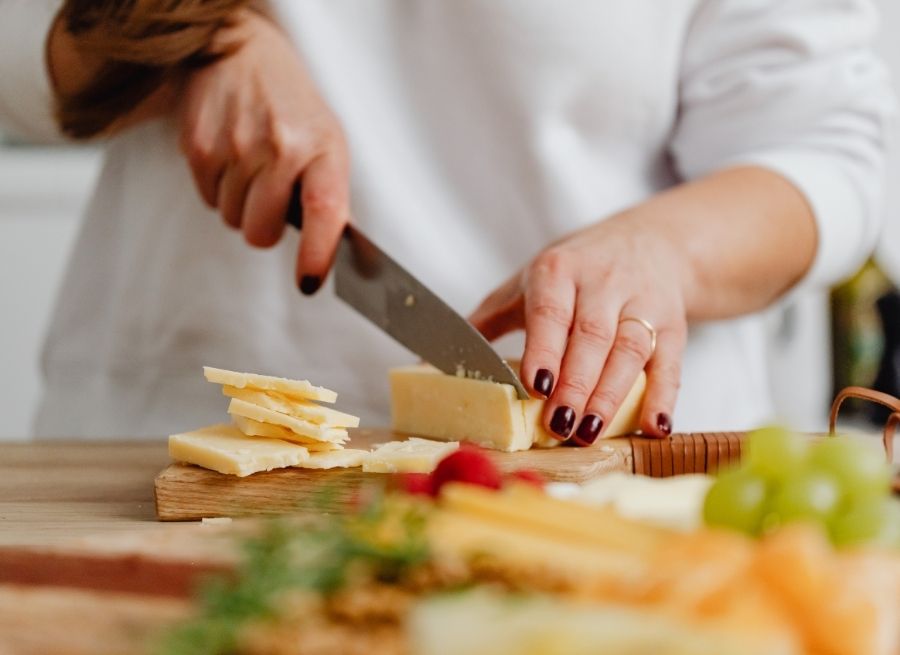
A chef’s knife is one of the most important tools in any kitchen. If you have only one good knife, it should be a chef’s knife because it can handle a wide range of daily cooking tasks.
A typical chef’s knife has a broad blade and a comfortable handle. It is designed for chopping, slicing, dicing, and mincing. Whether you are cutting vegetables, slicing meat, chopping herbs, or mincing garlic, a good chef’s knife makes the job faster and safer.
What a Chef’s Knife Is Best For
A chef’s knife is best for:
- Chopping onions, carrots, celery, and potatoes
- Slicing meat and poultry
- Cutting fruits and vegetables
- Mincing garlic and herbs
- Dicing tomatoes and peppers
- Shredding cabbage
- Cutting large ingredients into smaller pieces
A sharp chef’s knife gives you better control and reduces the effort needed to cut through food.
Why Every Home Cook Needs One
A chef’s knife is essential because it replaces many smaller, less efficient knives. Instead of switching between different blades for every task, you can use one reliable knife for most prep work.
A good knife also improves safety. Many people assume sharp knives are dangerous, but dull knives are often riskier because they require more pressure and are more likely to slip.
How to Choose a Good Chef’s Knife
When buying a chef’s knife, look for:
- Comfortable handle: It should feel secure in your hand.
- Sharp blade: A sharp edge makes cutting easier and safer.
- Balanced weight: The knife should not feel too heavy at the blade or handle.
- Durable steel: Stainless steel is popular because it resists rust.
- Blade length: An 8-inch chef’s knife is a good choice for most home cooks.
- Easy maintenance: Choose a knife you can sharpen and clean easily.
Chef’s Knife Care Tips
To keep your chef’s knife in good condition:
- Wash it by hand instead of putting it in the dishwasher.
- Dry it immediately after washing.
- Use a proper cutting board.
- Store it in a knife block, sheath, or magnetic strip.
- Sharpen or hone it regularly.
- Avoid cutting on glass, stone, or metal surfaces.
Who Should Buy a Chef’s Knife?
Every home cook should have a good chef’s knife. It is useful for beginners, busy parents, meal preppers, and anyone who cooks fresh food regularly.
2. Cutting Board
Read More – 5 Kitchen Tools Beginners Often Forget to Buy
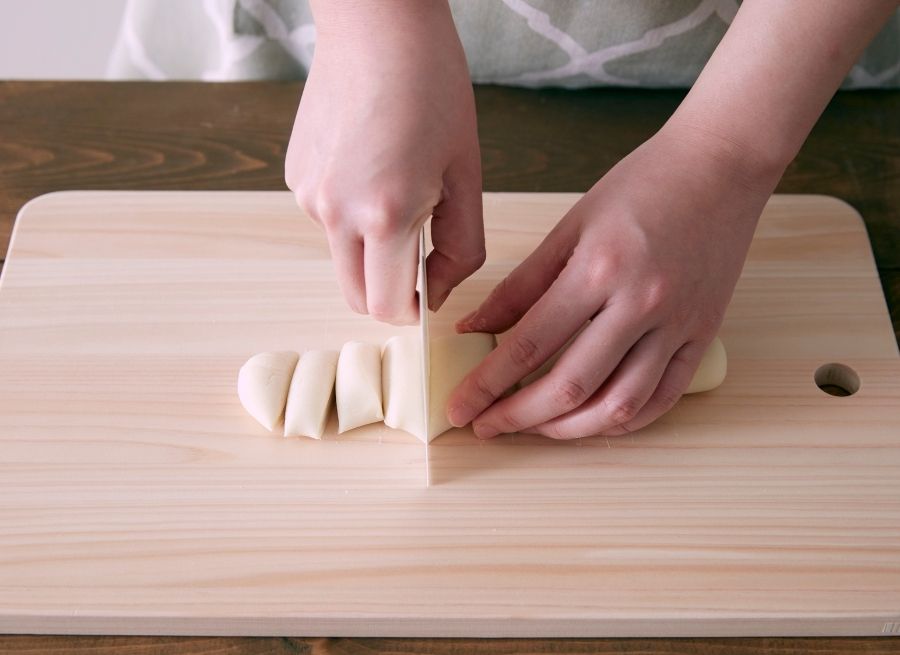
A cutting board provides a safe and stable surface for preparing food. It protects your countertop and helps keep your knife sharp. Without a proper cutting board, chopping ingredients can become messy, unsafe, and damaging to your kitchen surfaces.
Cutting boards come in different materials, including wood, bamboo, plastic, and composite materials. Each type has its own advantages.
What a Cutting Board Is Best For
A cutting board is best for:
- Chopping vegetables
- Slicing fruits
- Cutting meat and poultry
- Preparing herbs
- Kneading small amounts of dough
- Organizing ingredients before cooking
- Protecting countertops
A good cutting board should stay stable while you cut and should be large enough to hold ingredients comfortably.
Why Every Home Cook Needs One
A cutting board is essential because it creates a dedicated prep space. It also helps prevent damage to countertops and protects your knife edge from hard surfaces.
Using separate cutting boards can also improve food safety. Many home cooks prefer one board for raw meat and another board for vegetables, fruits, and ready-to-eat foods.
Types of Cutting Boards
| Cutting Board Type | Best For | Main Advantage |
|---|---|---|
| Wood | Vegetables, bread, general prep | Durable and gentle on knives |
| Bamboo | Everyday prep | Lightweight and eco-friendly |
| Plastic | Raw meat and poultry | Easy to wash and often dishwasher-safe |
| Composite | Heavy-duty use | Durable and low maintenance |
How to Choose a Good Cutting Board
When choosing a cutting board, consider:
- Size: A larger board gives you more working space.
- Stability: It should not slide easily while cutting.
- Material: Choose based on your cleaning habits and food safety needs.
- Thickness: Thicker boards are usually more stable.
- Ease of cleaning: Plastic boards are often easier for raw meat.
- Knife friendliness: Wood and soft plastic are gentler on knife edges.
Cutting Board Care Tips
To keep your cutting board clean and safe:
- Wash it after every use.
- Use hot soapy water for regular cleaning.
- Dry it completely before storing.
- Use separate boards for raw meat and produce if possible.
- Oil wooden boards occasionally to prevent cracking.
- Replace boards that have deep cuts or strong odors.
Who Should Buy a Cutting Board?
Every kitchen needs at least one cutting board. Ideally, home cooks should have two: one for raw proteins and one for fruits, vegetables, bread, and cooked foods.
3. Measuring Cups and Spoons
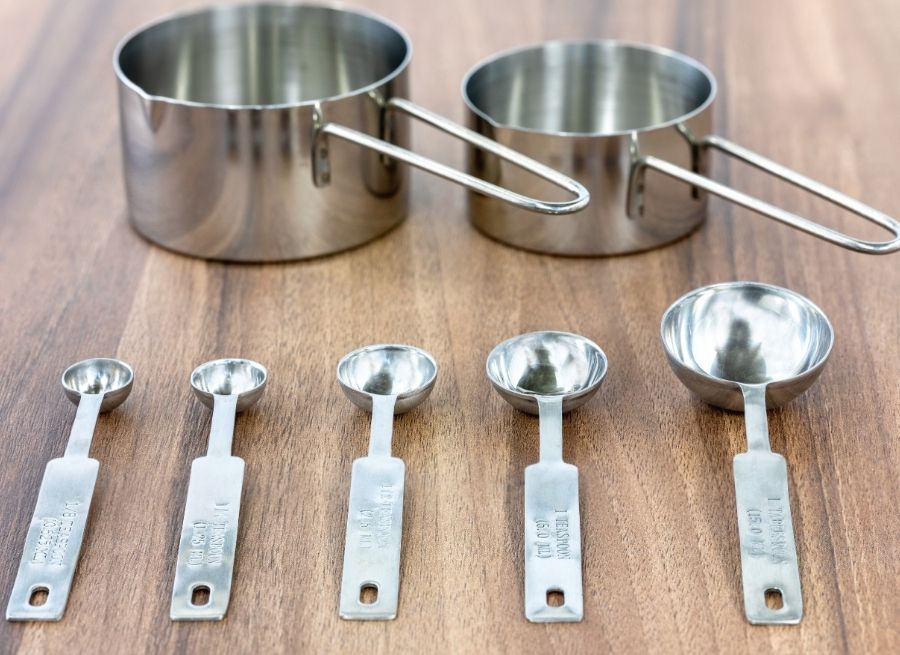
Measuring cups and spoons are essential for accuracy in cooking and baking. While experienced cooks may estimate some ingredients, measuring tools help create consistent results, especially when following recipes.
They are particularly important for baking because small differences in flour, sugar, baking powder, or liquid can affect the final texture and taste.
What Measuring Cups and Spoons Are Best For
Measuring cups and spoons are best for:
- Measuring flour, sugar, rice, and grains
- Measuring oil, milk, water, and broth
- Measuring spices and seasonings
- Following baking recipes
- Preparing sauces and dressings
- Controlling portion sizes
- Making repeatable recipes
Accurate measurements make recipes easier to follow and help avoid over-seasoning or using too much liquid.
Why Every Home Cook Needs Them
Measuring tools help you cook with confidence. They are especially helpful when trying a recipe for the first time because you do not have to guess ingredient amounts.
They also help with consistency. If a dish turns out well, measuring tools allow you to recreate it the same way next time.
Dry vs Liquid Measuring Cups
There are two main types of measuring cups, and both are useful.
| Type | Best For | Example Ingredients |
|---|---|---|
| Dry Measuring Cups | Dry ingredients | Flour, sugar, rice, oats |
| Liquid Measuring Cups | Liquids | Water, milk, oil, broth |
Dry measuring cups are usually filled to the top and leveled off. Liquid measuring cups often have measurement markings on the side and a spout for pouring.
How to Choose Good Measuring Tools
Look for:
- Clear markings: Measurements should be easy to read.
- Durable material: Stainless steel or strong plastic can last longer.
- Complete set: Common spoon sizes include 1 tablespoon, 1 teaspoon, 1/2 teaspoon, and 1/4 teaspoon.
- Comfortable handles: Easier to hold and level.
- Easy storage: Nesting sets save space.
- Dishwasher-safe design: Makes cleanup easier.
Measuring Tips for Better Cooking
For better results:
- Level dry ingredients with a flat edge.
- Use liquid measuring cups on a flat surface.
- Measure spices carefully, especially salt and strong seasonings.
- Do not pack flour unless the recipe says so.
- Use measuring spoons instead of regular table spoons for accuracy.
Who Should Buy Measuring Cups and Spoons?
Every home cook should own measuring cups and spoons. They are especially important for beginners, bakers, meal preppers, and anyone who wants consistent cooking results.
4. Mixing Bowls

Mixing bowls are simple tools, but they are used in almost every kitchen task. From mixing batter to tossing salad, marinating meat, washing vegetables, or holding chopped ingredients, mixing bowls make cooking more organized.
A good set of mixing bowls can help you prepare ingredients before cooking and keep your workspace clean.
What Mixing Bowls Are Best For
Mixing bowls are best for:
- Mixing cake or pancake batter
- Tossing salads
- Marinating meat or vegetables
- Holding chopped ingredients
- Whisking eggs
- Preparing sauces
- Coating food with seasoning
- Washing fruits and vegetables
- Serving snacks or side dishes
They are especially useful when you prepare multiple ingredients before turning on the stove.
Why Every Home Cook Needs Them
Mixing bowls help with organization. When ingredients are prepared and separated, cooking becomes smoother and less stressful.
For example, if you are making stir-fry, you can keep chopped vegetables in one bowl, sauce in another, and protein in another. This makes it easier to cook quickly without rushing.
Common Mixing Bowl Materials
| Material | Best For | Main Advantage |
|---|---|---|
| Stainless Steel | General prep, mixing, marinating | Lightweight and durable |
| Glass | Mixing, microwaving, serving | Easy to see contents and non-reactive |
| Plastic | Everyday prep, lightweight use | Affordable and easy to handle |
| Ceramic | Serving and mixing | Attractive and sturdy |
How to Choose Good Mixing Bowls
Consider these features:
- Multiple sizes: A set with small, medium, and large bowls is most useful.
- Non-slip base: Helps keep the bowl stable.
- Pour spout: Useful for batters and sauces.
- Lids: Great for storing leftovers or marinating.
- Lightweight design: Easier to move around the kitchen.
- Dishwasher-safe: Saves cleanup time.
Mixing Bowl Care Tips
To keep mixing bowls useful for years:
- Avoid using metal utensils in plastic bowls if scratching is a concern.
- Dry stainless steel bowls to prevent water spots.
- Check whether glass bowls are microwave-safe.
- Store nesting bowls together to save space.
- Avoid sudden temperature changes with glass bowls.
Who Should Buy Mixing Bowls?
Every home cook should have a set of mixing bowls. They are useful for cooking, baking, meal prep, marinating, and serving.
5. Cooking Utensils
Read More – 7 Things to Look for When Choosing Kitchen Tools
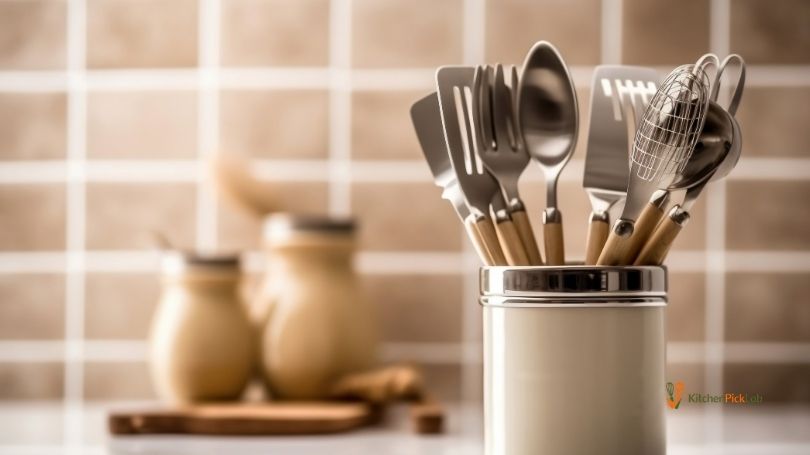
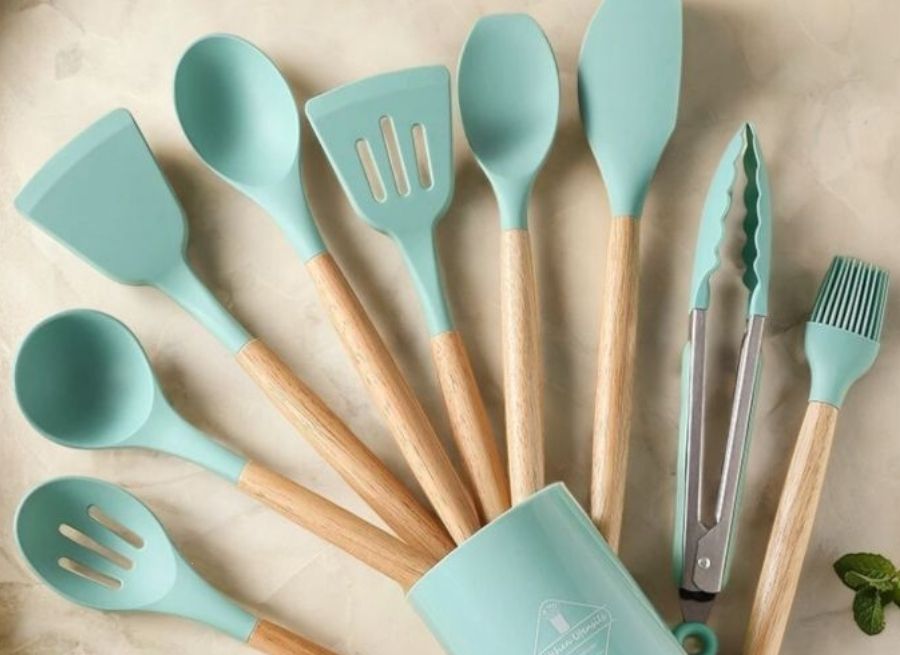
Cooking utensils are the tools you use to stir, flip, mix, lift, scrape, and serve food. Without the right utensils, cooking can become messy and difficult. A few well-chosen utensils can help protect your cookware and make daily cooking easier.
You do not need dozens of utensils, but you should have a basic set that works with your cookware.
What Cooking Utensils Are Best For
Cooking utensils are best for:
- Stirring sauces and soups
- Flipping pancakes, eggs, and burgers
- Tossing pasta or vegetables
- Serving food
- Scraping bowls and pans
- Whisking eggs or dressings
- Lifting fried or boiled foods
- Mixing ingredients while cooking
The right utensil helps you handle food safely and prevents damage to your pans.
Essential Cooking Utensils to Own
A basic utensil set should include:
- Wooden spoon: Great for stirring soups, sauces, and stews.
- Silicone spatula: Useful for scraping bowls and cooking delicate foods.
- Turner or flipper: Helpful for pancakes, eggs, fish, and burgers.
- Tongs: Perfect for lifting pasta, turning meat, and tossing salads.
- Whisk: Needed for eggs, sauces, batters, and dressings.
- Ladle: Useful for soups, stews, and sauces.
- Slotted spoon: Helps lift food while draining liquid.
Best Utensil Materials
| Utensil Material | Best For | Main Advantage |
|---|---|---|
| Wood | Stirring and general cooking | Gentle on cookware |
| Silicone | Nonstick cookware and scraping | Heat-resistant and flexible |
| Stainless Steel | Heavy-duty cooking | Strong and durable |
| Nylon | Nonstick cookware | Affordable and lightweight |
How to Choose Good Cooking Utensils
When buying cooking utensils, look for:
- Heat resistance: Especially for silicone or nylon tools.
- Comfortable handles: Easier to use during long cooking sessions.
- Cookware compatibility: Silicone and wood are best for nonstick pans.
- Durability: Avoid flimsy tools that bend too easily.
- Easy cleaning: Dishwasher-safe utensils save time.
- Storage needs: Choose tools that fit your drawer or utensil holder.
Utensil Care Tips
To make utensils last longer:
- Do not leave wooden utensils soaking in water.
- Keep plastic or nylon utensils away from very high heat.
- Wash silicone utensils well to remove oil residue.
- Avoid metal utensils on nonstick cookware.
- Replace cracked wooden utensils or melted plastic tools.
Who Should Buy Cooking Utensils?
Every home cook needs a practical set of cooking utensils. They are essential for preparing and serving almost every meal.
Bonus Tools That Are Also Useful
Once you have the five essential tools above, you can gradually add more items based on your cooking style. These bonus tools are not always necessary at the beginning, but they can make cooking easier.
Colander or Strainer
A colander is useful for draining pasta, washing vegetables, rinsing rice, and straining canned foods.
Peeler
A vegetable peeler makes it easier to peel potatoes, carrots, apples, cucumbers, and other produce.
Can Opener
A can opener is essential if you use canned beans, tomatoes, tuna, coconut milk, soups, or vegetables.
Kitchen Shears
Kitchen shears are useful for cutting herbs, trimming meat, opening packages, and cutting parchment paper.
Grater
A grater is helpful for cheese, citrus zest, garlic, ginger, carrots, and chocolate.
Kitchen Scale
A kitchen scale is especially useful for baking, portion control, and accurate meal prep.
How to Build a Practical Kitchen Tool Set
Building a useful kitchen does not mean buying everything at once. Start with the tools you will use every day, then add extra items as your cooking habits grow.
Start With the Basics
Begin with:
- Chef’s knife
- Cutting board
- Measuring cups and spoons
- Mixing bowls
- Cooking utensils
These tools cover most basic cooking tasks and are useful in nearly every recipe.
Choose Quality Over Quantity
It is better to buy one good chef’s knife than a large set of low-quality knives. The same applies to utensils, bowls, and cutting boards. Tools that feel comfortable and last longer will be more useful than cheap items that break or perform poorly.
Match Tools to Your Cooking Style
Think about what you cook most often.
- If you bake often, add a kitchen scale and whisk.
- If you cook pasta regularly, buy a good colander.
- If you use many vegetables, add a peeler and grater.
- If you cook meat often, consider kitchen shears and tongs.
- If you meal prep, buy mixing bowls with lids.
Consider Storage Space
Before buying tools, make sure you have enough drawer, cabinet, or countertop space. Too many tools can make your kitchen feel cluttered and harder to use.
Buy Tools That Are Easy to Clean
Easy cleaning is important for daily cooking. Dishwasher-safe tools, smooth surfaces, and simple designs can save time and reduce frustration.
Common Mistakes to Avoid When Buying Kitchen Tools
Kitchen tools may seem simple, but choosing the wrong ones can make cooking harder. Here are some common mistakes to avoid.
Buying Too Many Tools at Once
A large kitchen tool set may seem convenient, but many pieces may go unused. Start with essentials and add tools only when you truly need them.
Choosing Cheap Knives
A very cheap knife may become dull quickly, feel uncomfortable, or make cutting unsafe. A good chef’s knife is worth investing in because it is used so often.
Using One Cutting Board for Everything
Using the same cutting board for raw meat and ready-to-eat foods can increase the risk of cross-contamination. It is better to use separate boards or wash thoroughly between tasks.
Ignoring Handle Comfort
A tool may look good but feel uncomfortable in your hand. Since cooking involves repeated movements, comfortable handles matter.
Buying Tools That Damage Cookware
Metal utensils can scratch nonstick pans. If you use nonstick cookware, choose silicone, wood, or nylon utensils.
Forgetting About Maintenance
Some tools need care. Knives need sharpening, wooden boards need drying and oiling, and utensils should be replaced when cracked or damaged.
Best Essential Tool Setup for Beginners
If you are setting up a kitchen for the first time, you can begin with a simple and affordable tool setup.
A beginner-friendly kitchen tool list includes:
- One 8-inch chef’s knife
- Two cutting boards
- One set of measuring cups
- One set of measuring spoons
- Three mixing bowls in different sizes
- Wooden spoon
- Silicone spatula
- Turner
- Tongs
- Whisk
This setup is enough for preparing simple breakfasts, lunches, dinners, salads, baked goods, and meal prep recipes.
Final Thoughts
You do not need a complicated kitchen to cook good food at home. The most important thing is having practical tools that make daily cooking easier and more efficient.
A chef’s knife helps with most cutting tasks. A cutting board gives you a safe prep surface. Measuring cups and spoons improve accuracy. Mixing bowls keep ingredients organized. Cooking utensils help you stir, flip, serve, and handle food properly.
Once you have these five essentials, you can cook with more confidence and less frustration. Over time, you can add extra tools based on your recipes and cooking habits.
For most home cooks, a simple set of high-quality basics is better than a drawer full of tools that rarely get used.
FAQs About Essential Kitchen Tools
What is the most important kitchen tool for home cooking?
A chef’s knife is often the most important kitchen tool because it handles most cutting tasks, including chopping vegetables, slicing meat, mincing garlic, and cutting fruits. A sharp, comfortable chef’s knife can make meal prep faster and safer.
What kitchen tools should every beginner have?
Every beginner should have a chef’s knife, cutting board, measuring cups and spoons, mixing bowls, and basic cooking utensils such as a wooden spoon, spatula, tongs, whisk, and turner. These tools cover most everyday cooking needs.
Do I need an expensive chef’s knife?
You do not need the most expensive chef’s knife, but you should choose one that is sharp, comfortable, balanced, and durable. A good mid-range chef’s knife is often enough for most home cooks.
How many cutting boards should I have?
It is best to have at least two cutting boards: one for raw meat, poultry, or seafood, and another for vegetables, fruits, bread, and cooked foods. This helps reduce the risk of cross-contamination.
Are wooden cutting boards better than plastic?
Wooden cutting boards are durable and gentle on knives, making them great for vegetables and general prep. Plastic cutting boards are often easier to wash and are commonly used for raw meat because many are dishwasher-safe. Both can be useful in a home kitchen.
Why are measuring cups and spoons important?
Measuring cups and spoons help you follow recipes accurately. They are especially important for baking, where exact measurements can affect texture, rise, and flavor. They also help keep seasoning and ingredient amounts consistent.
What type of mixing bowls are best?
Stainless steel mixing bowls are durable, lightweight, and useful for most prep tasks. Glass bowls are good for microwaving and serving. A set with multiple sizes is best because different recipes require different bowl capacities.
What utensils are safe for nonstick cookware?
Silicone, wooden, and nylon utensils are best for nonstick cookware because they are less likely to scratch the coating. Avoid using metal utensils on nonstick pans.
How can I keep my kitchen tools organized?
Use drawer dividers, utensil holders, wall hooks, or cabinet organizers to keep tools easy to find. Store frequently used tools within reach and keep rarely used items in cabinets or pantry storage.
What kitchen tool should I buy first?
If you are buying only one tool first, start with a good chef’s knife. It is used in almost every recipe and can make a major difference in cooking speed, safety, and comfort.