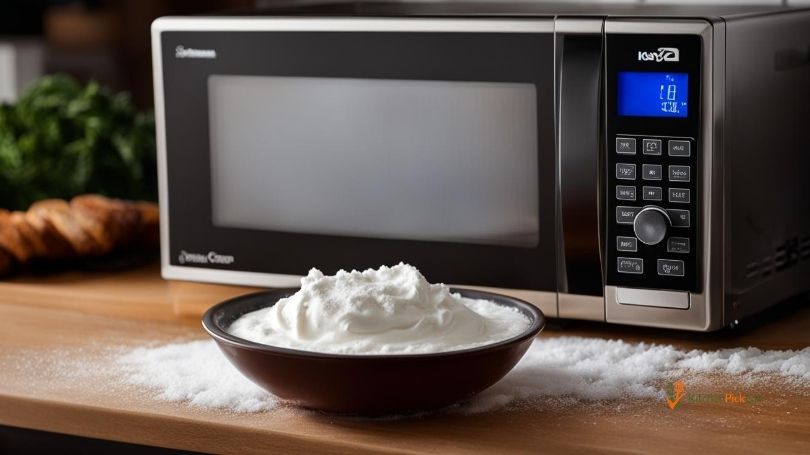
Can You Heat Up Sour Cream In The Microwave? How to Do It Safely
Yes, but only on low power. The texture quickly splits into watery liquid and grainy lumps if it gets too hot. You can heat up sour cream in the microwave when you take it out of the original plastic tub and warm it in short bursts. Scoop out what you need right now, put it into a microwave-safe ceramic bowl, and set your machine to 30% power before you begin.
When to microwave sour cream safely

How you warm sour cream depends on its fat content, container, and what you’re mixing it with.
| Your situation | Answer | Why |
|---|---|---|
| In original plastic store tub | No | Thin plastic melts and chemicals leach |
| Mixed into soup or chili | Yes | Broth shields dairy from curdling |
| Plain dollop for a potato | Yes, but | Needs 30% power to stay smooth |
| Fat-free or light version | No | Lacks fat to stop curdling |
| Baked into a casserole | Yes | Starch from other ingredients stabilizes it |
| Frozen sour cream thawed | No | Emulsion already broke from ice crystals |
Protein breakdown from sudden heat
Milk proteins called caseins stay suspended in water and milkfat when sour cream is cold. When you expose sour cream to intense microwave energy, these proteins tighten up and squeeze out moisture. That process is called curdling. Full-fat sour cream contains at least 18% milkfat under federal food standards, which coats the protein molecules and protects them from high heat. Light and fat-free versions replace that fat with added gums or starches, but they lack the natural fat barrier and curdle much faster.
The trade-off of microwaving sour cream is convenience versus creamy texture. A fast burst of high heat saves two minutes, but it leaves you with a separated, watery liquid and rubbery white curds. Warming it slowly keeps the fat and water bound together, though it takes a little more patience.
This gentle reheating method isn’t for nonfat or fat-free sour cream, which almost always splits no matter how careful you are. Remember that heating power varies by microwave wattage—check your unit’s back label to see if you have a 700-watt or 1,200-watt machine. If your recipe includes flour or cornstarch, mix the sour cream directly into the warm food; if the sour cream is plain, warm it separately in 10-second intervals at low power.
Gentle warming steps
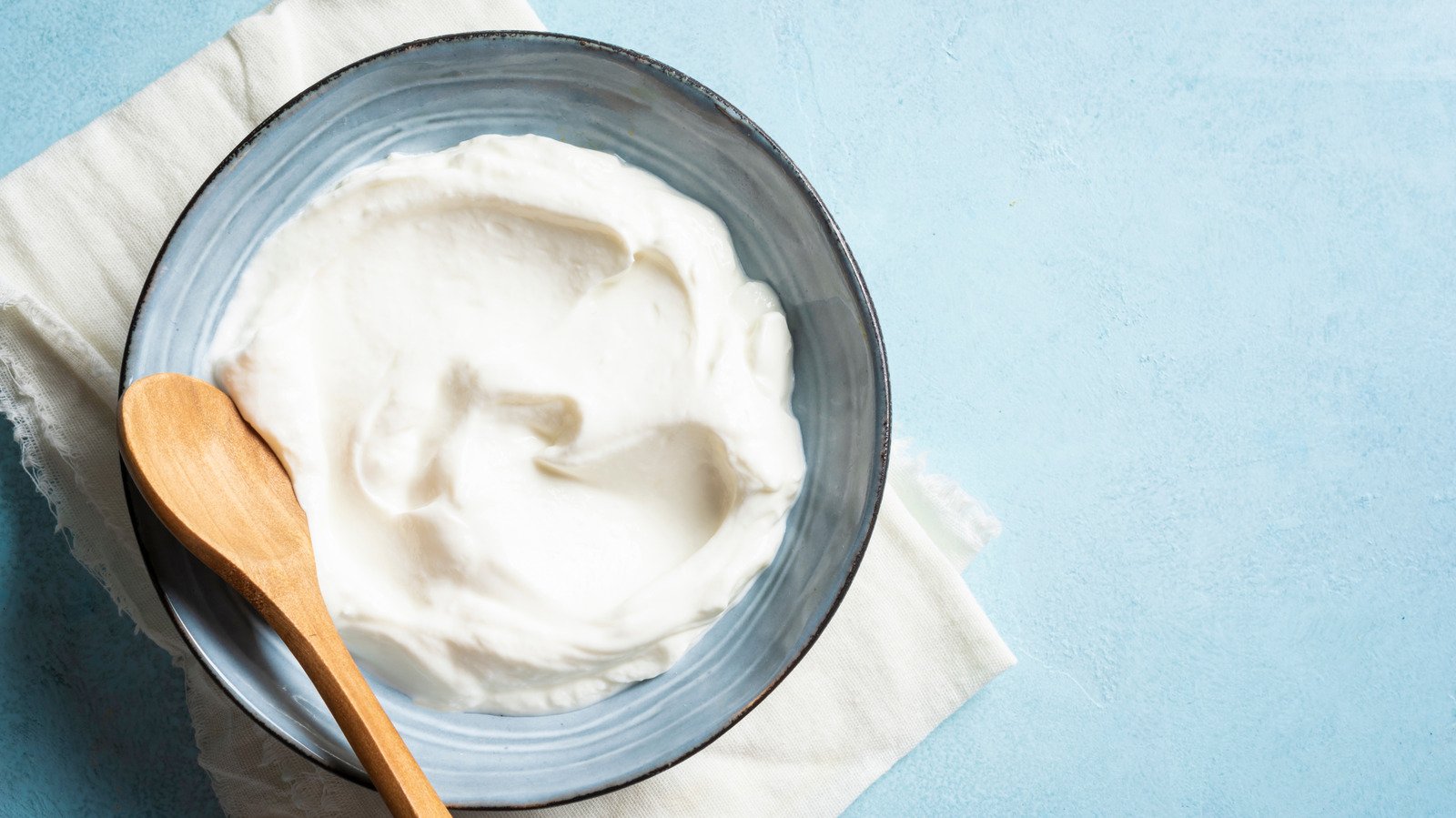
- Transfer to ceramic. Spoon 2 to 4 tablespoons of sour cream into a small microwave-safe glass or ceramic bowl. The food sits in safe dishware, leaving the thin retail tub safely behind.
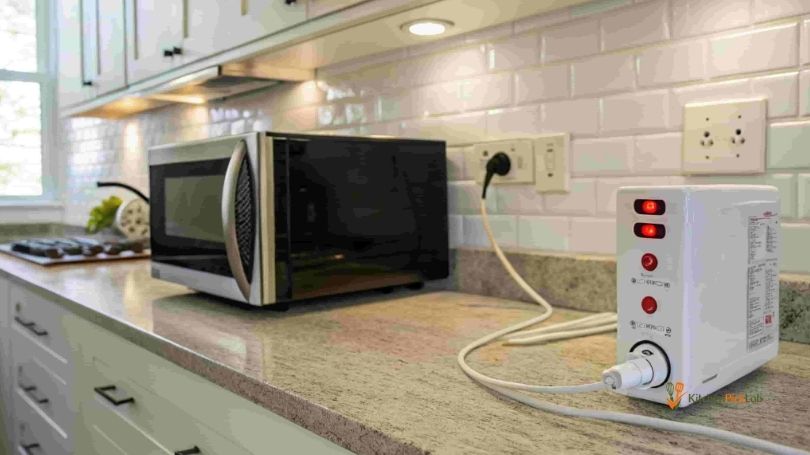
- Lower the power level. Set your microwave to 30% power, or the defrost setting, rather than full strength. The display screen confirms your machine is set to a lower duty cycle.
- Heat for ten seconds. Run the microwave for 10 seconds, assuming a standard 1,000-watt unit. The bowl feels slightly warm to the touch without any steam rising.
- Stir thoroughly. Stir the cream with a small metal spoon for 5 seconds to even out hot spots. The surface turns glossy and stays completely smooth.
- Check the temperature. Touch the back of your spoon to the cream to feel if it’s warm. The sour cream is ready to serve once it reaches lukewarm room temperature.
The original plastic container trap
People often put the entire store-bought plastic tub directly into the microwave to soften it quickly. This mistake warps the thin container, ruins the whole package of food, and can melt chemical additives directly into your dairy. Most sour cream tubs use thin polypropylene or polystyrene that can’t handle high-energy microwave hot spots. An accidental puncture or melted bottom ruins your food and creates a difficult mess to scrape off your turntable glass. The fast check to avoid this problem is simple: look at the bottom of the container for an embossed microwave-safe symbol (three wavy lines), and if you don’t see it, move the cream to ceramic dishware.
When to stop and get help
- The sour cream smells sharp, yeasty, or like vinegar, which means spoilage bacteria took over.
- Pink, green, or black mold appears on the rim, which means the tub belongs in the trash.
- The cream sat on the counter above 40°F for more than two hours, which makes it unsafe to eat according to the USDA food safety guidelines.
If spoiled dairy makes someone ill with severe vomiting or stomach cramps, contact a doctor or a local health clinic immediately.
Frequently asked questions
Can you microwave sour cream in its plastic container?
No. Store tubs use thin plastic that warps, melts, or releases chemicals when heated. Move the dairy into glass or ceramic first.
Why does sour cream curdle in the microwave?
High heat causes dairy proteins to shrink rapidly and separate from the whey liquid. Using 30% power keeps proteins stable.
Is it safe to reheat sour cream in leftovers?
Yes, as long as the entire meal reaches 165°F. The cream might separate slightly, but the food remains safe to eat.
How long can you microwave sour cream?
About 10 to 15 seconds on 30% power for a 2-tablespoon serving. High-wattage microwaves heat it even faster.
What happens if you boil sour cream?
It splits completely into clear liquid and grainy, sour lumps. Boiling heat permanently breaks the fat and protein emulsion.
Can you fix curdled sour cream after heating?
Usually not once the proteins squeeze out their moisture. Whisking in a teaspoon of warm heavy cream sometimes smooths it out.
What to do next
Scoop your sour cream into a clean ceramic bowl right away and set the appliance to 30% power. You can expect a smooth, warm topping with a glossy shine after a quick 10-second pulse. Throw the batch out immediately if you see liquid pooling around stiff white grains, because broken dairy can’t be restored.