Can You Use Induction Cookware On A Gas Stove? The Truth
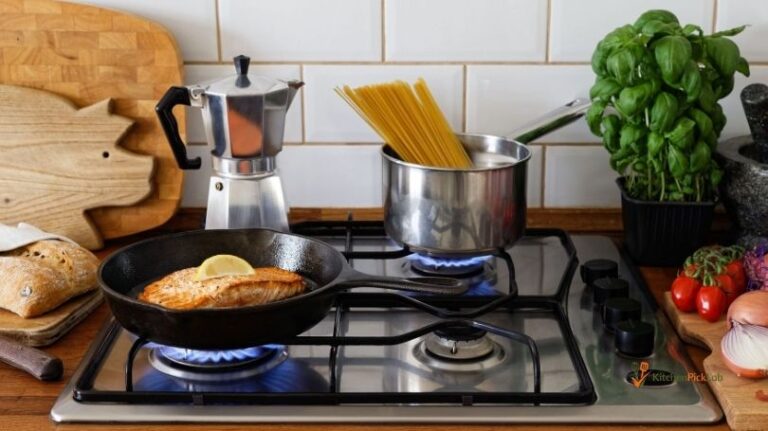
Yes, you certainly can. Most cooks wonder if they can use induction cookware on a gas stove without ruining their expensive pans, and the answer is an easy yes because these pots are simply durable metal. The only condition that flips this answer is using thin, glued-on base plates over high heat, which can loosen over time. Take your pans out and place them directly on the grate to start cooking.
In this article
- Using induction cookware on gas stoves
- Heat transfer and base construction
- Protecting your pans on open flame
- The mistake people make
- When to stop and get help
- Frequently asked questions
- Can gas flame damage the magnetic bottom of induction pans?
- Why did my induction pan turn brown on the bottom?
- Is it safe to use induction nonstick pans on gas?
- What happens if an induction base warps on a gas stove?
- How long do induction pans last when used on gas?
- Does gas heat an induction pan faster than an induction cooktop?
- What to do next
- Final Thoughts
Using induction cookware on gas stoves
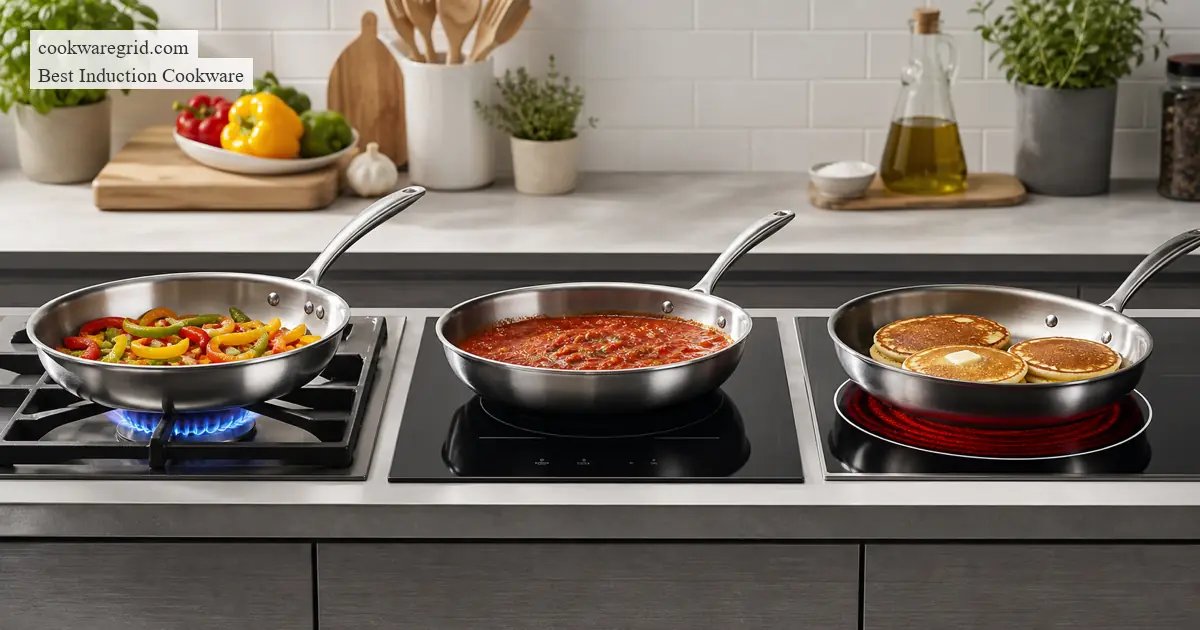
Match your specific cookware type to this list before lighting your burner:
| Your situation | Answer | Why |
|---|---|---|
| Cast iron skillet | Yes | Thick iron handles direct flame heat easily |
| Stainless steel with magnetic core | Yes | Steel walls tolerate high open flame temperatures |
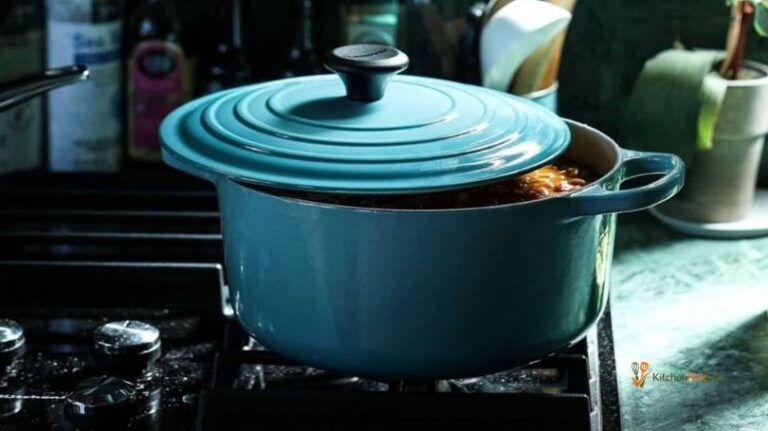
| Enameled cast iron Dutch oven | Yes | Heavy cast iron base spreads gas flame |
| Aluminum pan with bonded steel disc | Yes, but | High gas heat weakens disc adhesive seams |
| Nonstick pan with induction plate | Yes, but | Flame climbing sides melts outer nonstick coatings |
| Uncoated carbon steel pan | Yes | Tough metal takes direct flame without damage |
Heat transfer and base construction
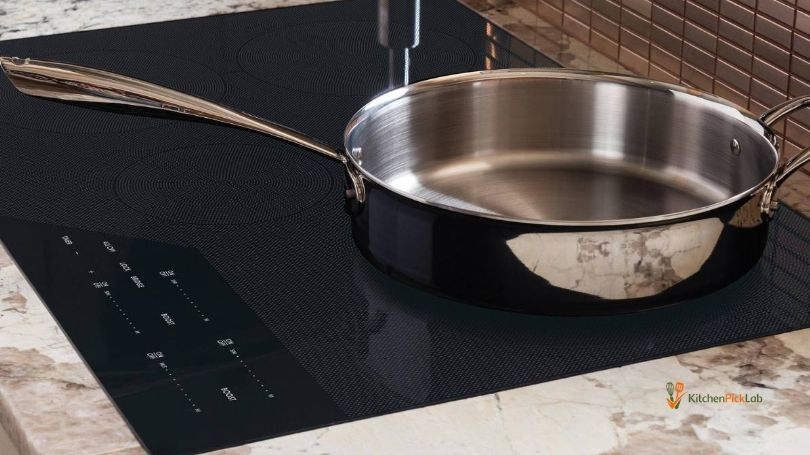
The answer depends on how your pan handles direct flame versus a flat magnetic field. Induction cooktops generate heat inside the pan base using electromagnetism, which needs magnetic metals like cast iron or magnetic stainless steel. Gas stoves simply produce real fire underneath. Because metals that respond to magnets are sturdy, they hold up fine over an open fire.
The real trade-off comes down to base design versus flame spread. Induction cooking needs a totally flat bottom, while gas burners send heat up and around the sides. If your induction pan uses a separate steel disc stamped or glued onto an aluminum body, high gas flames can expand those two metals at different speeds. Solid cast iron or fully clad pans don’t have this issue. The CPSC cookware safety guidelines explain that loose fittings and damaged pan bases create burn hazards from spilled hot food. If your pan is one solid piece of metal, use it on gas without worry; if it has a glued base disc, keep your gas burner on medium.
Protecting your pans on open flame
- Size the burner correctly. Pick a gas burner smaller than the pan bottom so flames never climb up the exterior walls. You’ll see this worked when flames stay hidden under the flat base.
- Control your heat level. Keep the flame at medium or lower for pans made with bonded disc bottoms. The sign it worked is an even sizzle with no popping sounds coming from the base.
- Use oven mitts on handles. Direct fire sends heat up the pan sides straight into metal handles much faster than induction cooktops do.
- Clean off black soot quickly. Wash the outer bottom with warm water and a non-scratch sponge right after the pan cools down.

This method isn’t for outdoor turkey fryers or high-output camp stoves, which output far too much heat for layered induction pans.
The mistake people make
The single most common mistake is letting high gas flames lick up the outside walls of the pan. This quickly discolors polished stainless steel, burns outer silicone grips, and can peel exterior paint. It costs you a ruined pan that can be expensive to replace. The flame on the sides also cooks food onto the inner walls where it burns into a stubborn black crust that takes an hour to scrub out. Avoid this by always setting the pan on the grate before striking the flame, then dial the knob down until no blue fire peeks past the rim of the pan base.
When to stop and get help
- The base disc starts separating or bulging from the bottom of the pan, which means it will wobble and spill hot liquid.
- You smell burning plastic or chemicals, which shows the exterior heat rating is lower than the gas flame output.
- The pan warps so badly it rocks heavily on the grate, making it unsafe for hot oil.
Stop using the cookware right away if the metal base begins to separate; tossing warped cookware in the recycling bin is far better than risking a severe kitchen burn.
Frequently asked questions
Can gas flame damage the magnetic bottom of induction pans?
No, normal cooking temperatures can’t demagnetize the iron inside your cookware. It takes extreme heat—over 1,400°F—to ruin magnetic properties in steel or iron. Your home gas burner will never get a pan base that hot during regular daily cooking.
Why did my induction pan turn brown on the bottom?
Brown stains come from tiny amounts of burnt cooking oil or food grease baked on by direct gas fire. Gas burners generate open heat that chars residue faster than induction glass. Scrub the dry stains off with baking soda and a damp sponge.
Is it safe to use induction nonstick pans on gas?
Yes, but you must keep the flame under medium heat. Gas flames curling around the sides can overheat the nonstick coating above 500°F, which releases irritating fumes. Keep the fire centered directly beneath the metal base plate.
What happens if an induction base warps on a gas stove?
The pan becomes unusable on flat glass induction stoves later. A warped bottom won’t make proper contact with flat induction surfaces, leading to slow or broken heating.
How long do induction pans last when used on gas?
Solid cast iron and multi-clad stainless steel pans last for a long time on gas stoves. Pans with thin bonded magnetic discs often fail as they age if used over high flames, because the bonding glue gives out under repeated heat expansion.
Does gas heat an induction pan faster than an induction cooktop?
No, gas actually heats the pan slower. An induction stove delivers around 85% of its energy directly into the metal pan base, while a gas burner loses more than half its heat into the surrounding kitchen air instead of the food.
What to do next
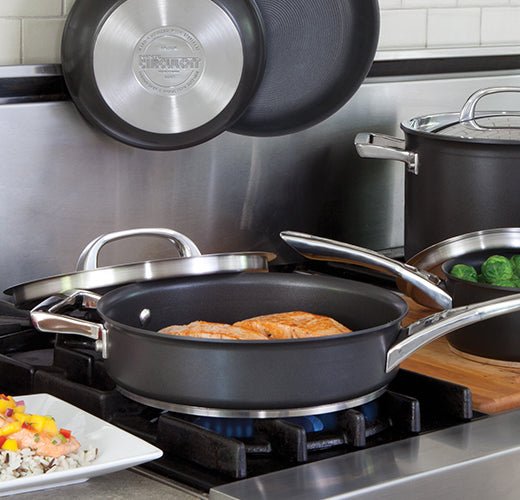
Place your pan on a cold burner grate and turn the flame on low to check the flame diameter. Expect normal cooking performance, with the metal heating evenly without making sharp clicking or warping noises. If you hear metal popping or notice the bottom plate separating from the core, turn off the burner immediately and replace the cookware.
Final Thoughts
Feel free to mix and match your gear however you like. Since your induction-ready pans are built to handle intense heat, they’ll perform beautifully on your gas burners. Just keep an eye on the flame size, and you’ll enjoy delicious meals for years to come. It’s time to get cooking tonight!