Can You Use A Dutch Oven On A Glass Top Stove? Safe Tips
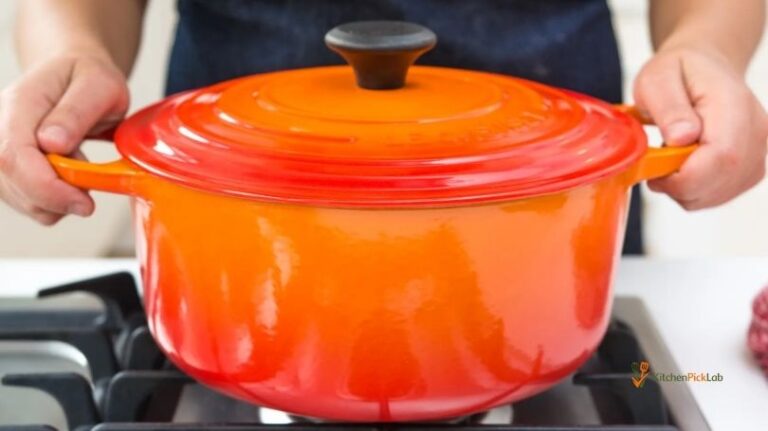
Yes, you can cook with it safely if the pot has a smooth, flat base. You’ll crack the cooktop surface if you drop the heavy pot or slide raw, rough cast iron across the glass.
In this article
- When a dutch oven works on your glass stove
- Cooktop glass strength and cookware contact
- Safe cooking steps for heavy pots
- The dragging mistake that ruins cooktops
- When to stop and get help
- Frequently asked questions
- Can you use bare cast iron on a glass cooktop?
- Why did my glass stove top crack under my pot?
- How much weight can a glass top stove hold?
- Is an enameled Dutch oven safer than bare iron?
- What happens if you boil a Dutch oven dry on glass?
- Does a heat ring on a pot damage glass stoves?
- Can you use a heat diffuser under the pot?
- What to do next
When a dutch oven works on your glass stove
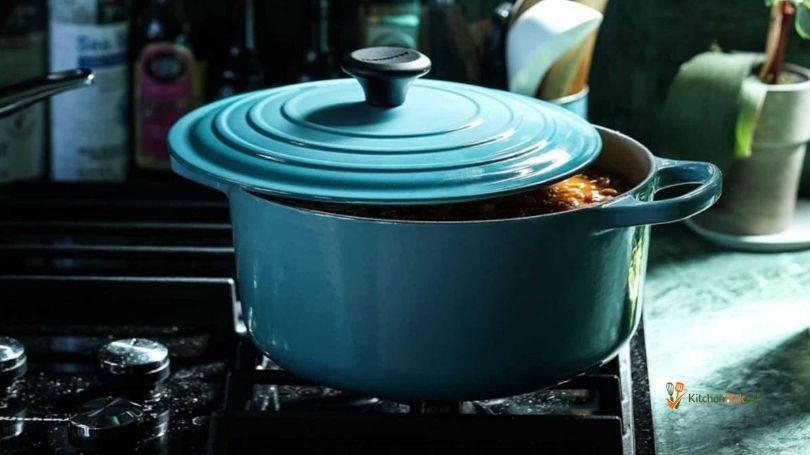
Your pot’s weight and exterior texture determine if your cooktop stays safe.
| Your situation | Answer | Why |
|---|---|---|
| Enamel-coated flat bottom | Yes | Smooth enamel won’t scratch flat glass surfaces |
| Bare cast iron with rough base | No | Exposed metal ridges grind scratches into the glass |
| Bare cast iron with sanded base | Yes | Smooth, polished iron prevents abrasive glass wear |
| Pot with a bottom heat ring | No | Air gaps trap heat and scratch contact points |
| Warped or rounded pot base | No | Uneven contact creates dangerous localized hot spots |
Cooktop glass strength and cookware contact
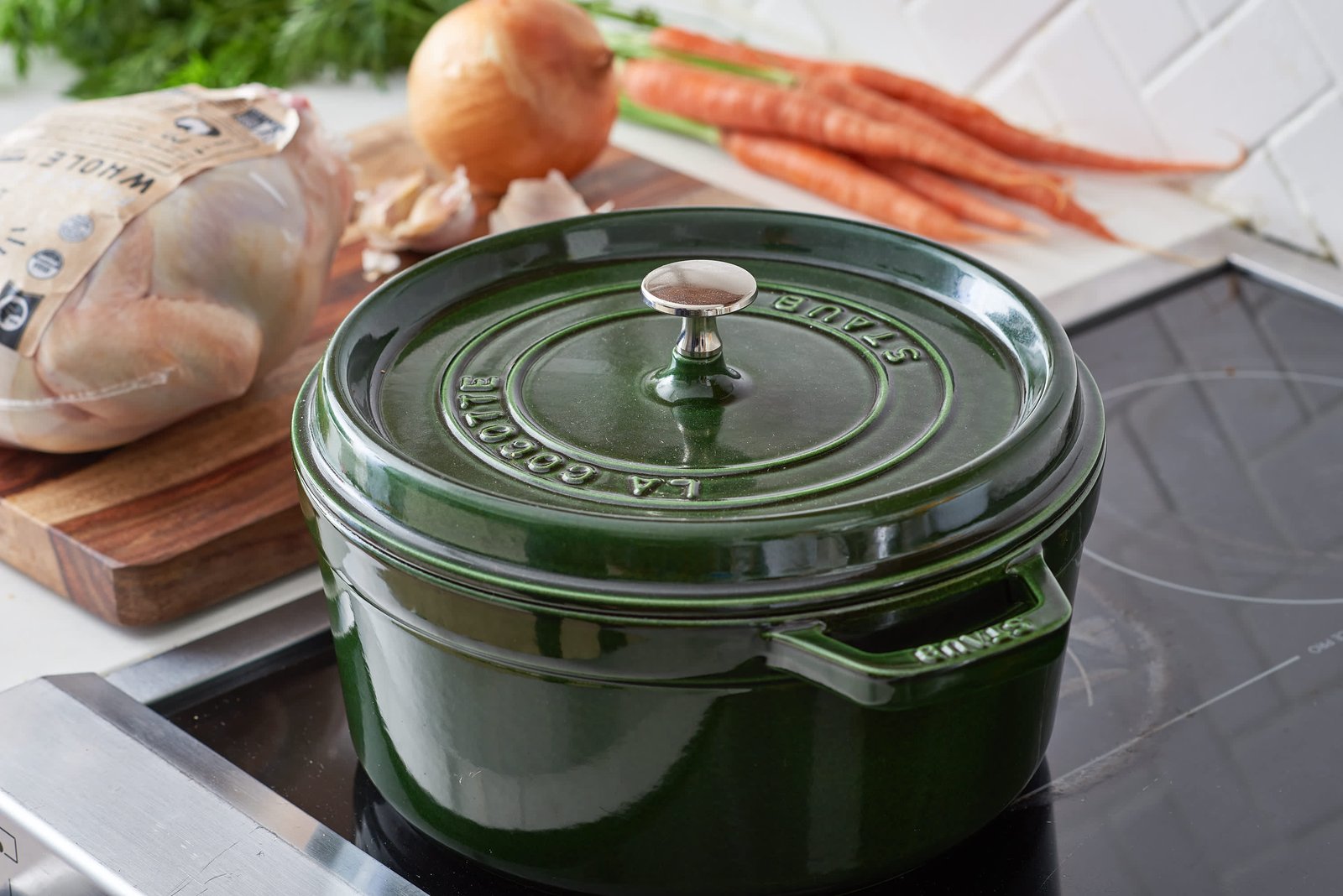
Glass-ceramic cooktop panels handle high heat well, but they can’t take sharp physical impacts. Thermal transfer requires direct contact across the burner. When cookware sits completely flat, heat moves evenly through the bottom of the pot into your food. Bare cast iron often features tiny metal burrs from the sand-casting mold. These rough points focus the heavy weight of the pot onto tiny areas, which cuts scratches right into the smooth cooktop.
Enamel coatings cover these rough spots with a layer of melted glass, creating a non-abrasive surface that protects your stove. Weight limits matter just as much as surface texture. Major appliance brands like GE Appliances cooktop support state that their glass surfaces safely hold up to 50 pounds across the elements. A large cast-iron pot can weigh 30 pounds. Dropping that weight can shatter the cooktop instantly. Trapped heat causes thermal shock. Recessed centers or heat rings trap superheated air, triggering safety sensors or cracking the glass.
Safe cooking steps for heavy pots
Using heavy cookware on smooth glass requires steady movements and controlled heat settings.

- Clean the pot base and glass surface thoroughly. Wipe both surfaces with a damp microfiber cloth to remove rogue salt crystals or grit that could grind into the panel. A clean surface shows zero debris when you run a dry paper towel over it.
- Place the empty pot gently directly over the burner. Center the pot without dragging it across the surface. The pot sits correctly when the outer edge aligns with the printed burner circle.
- Heat the burner on medium-low for five minutes. Cast iron holds heat well, so gradual preheating prevents thermal shock to the stove’s ceramic surface. The rim of the pot will feel warm to the touch when ready.
- Add your cooking oil before increasing burner temperature. Pour in two tablespoons of high-smoke-point oil to coat the bottom evenly. A light shimmer across the oil layer shows the pot is ready for ingredients.
- Lift the pot completely upward to stir or reposition it. Keep both hands on the handles and pick the vessel up off the cooktop rather than shaking it back and forth.
The dragging mistake that ruins cooktops
Sliding the pot across the burner to center it’s the most common mistake home cooks make. Cast iron is heavy, and dragging it traps tiny food particles, salt grains, or coarse metal edges against the glass. The heavy weight presses that debris down like sandpaper, leaving permanent scuff marks.
When to stop and get help
- The cooktop glass develops a deep surface scratch that catches your fingernail, which weakens the panel under high heat.
- A visible hairline fracture spreads across the burner area after setting a heavy pot down.
- The digital controls flash an error code because a heavy vessel overheated the internal electronics.
- The burner surface pits or bubbles, showing that the glass-ceramic bond failed.
A cracked cooktop panel carries a real risk of electrical shock and fire. Stop using the stove immediately, switch off the kitchen circuit breaker, and call a licensed appliance repair technician to replace the glass surface.
Frequently asked questions
Can you use bare cast iron on a glass cooktop?
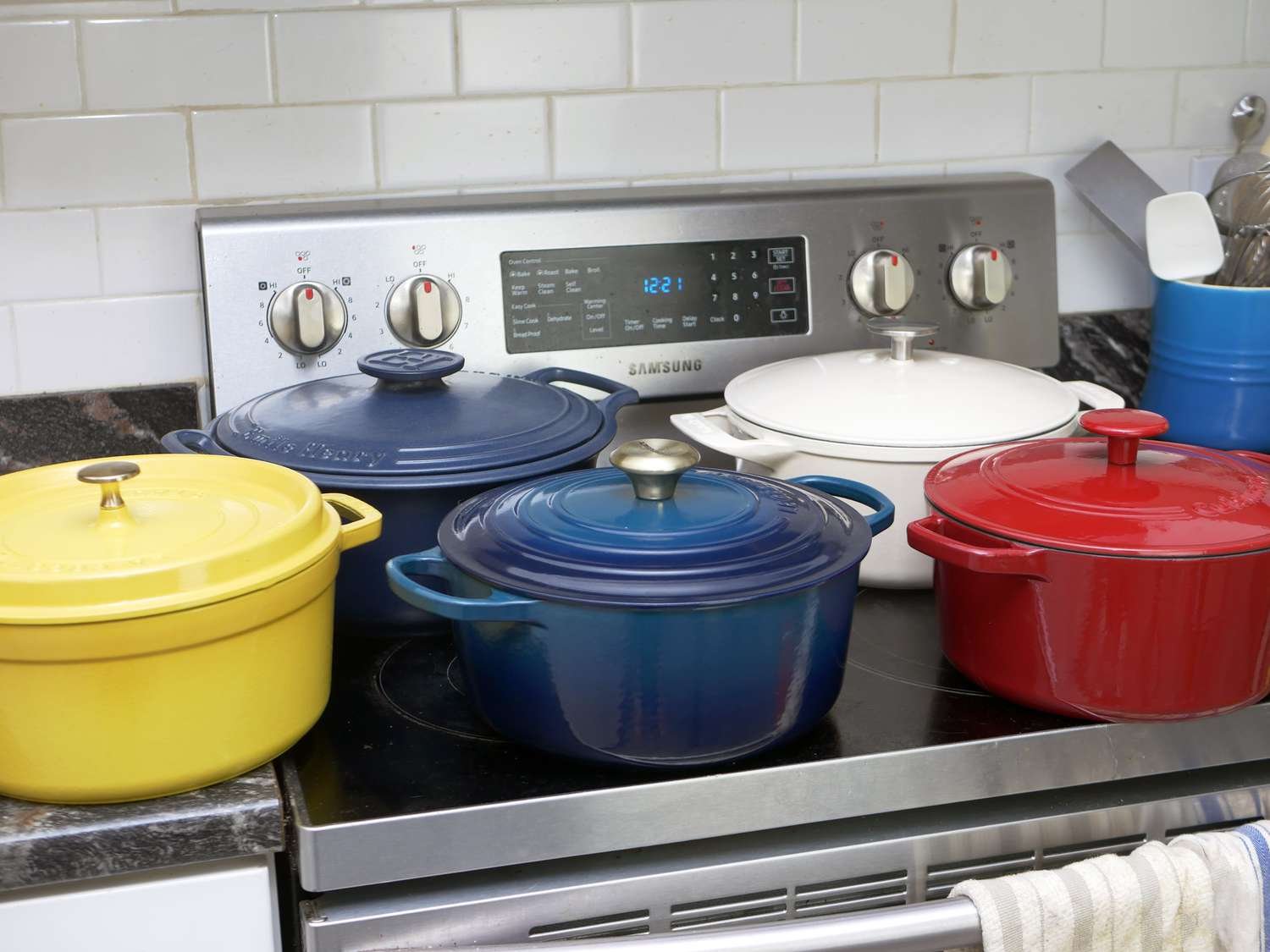
Yes, but only if the bottom of the pan is sanded completely smooth. Lift the pan every single time you move it to avoid permanent, cloudy scratches on the burner.
Why did my glass stove top crack under my pot?
The glass cracked because of sudden weight impact, excessive total weight, or concentrated heat. Dropping a heavy pot even an inch down can fracture the ceramic glass. Using a warped base also traps heat pockets that cause thermal stress cracks.
How much weight can a glass top stove hold?
This weight rating assumes you distribute the load gently across the cooking zones. This varies by model, so check the label inside your stove drawer or user manual for exact limits.
Is an enameled Dutch oven safer than bare iron?
Yes, because the enamel coating creates a smooth layer of glass over the rough iron base. You must still lift the vessel instead of dragging it across the burners.
What happens if you boil a Dutch oven dry on glass?
This excessive, uncontrolled heat damages the heating element and shatters the panel. Turn off the burner switch immediately and let the entire area cool down naturally.
Does a heat ring on a pot damage glass stoves?
Yes, because the ring holds the main base slightly off the glass and creates an air pocket. This air pocket traps extreme heat that confuses the stove’s internal sensors. The thin ring also concentrates the entire pot’s weight onto a narrow glass line.
Can you use a heat diffuser under the pot?
No, most cooktop manufacturers explicitly warn against using metal diffusers on glass ranges. Diffusers trap intense heat directly against the ceramic panel, which can melt components or crack the glass. Cookware must make direct, clean contact with the cooking zone.
What to do next
Wipe the bottom of your enameled pot with a clean cloth to verify there’s no trapped grit. Set your stove to medium heat and watch your food start simmering evenly without any burner shut-off warnings. If you ever hear a sharp popping sound or see a crack appear across the burner surface, turn off the breaker immediately and contact a certified repair service.