7 Things to Look for When Choosing Kitchen Tools
Last Updated on September 9, 2026
Choosing the right kitchen tools can make cooking easier, faster, and more enjoyable. But with so many options out there, it’s easy to feel overwhelmed.
What should you really look for to get tools that work well and last long? You’ll discover 7 key things to consider before buying your next kitchen tool. These tips will help you avoid common mistakes and pick the best items for your cooking style and needs.
Keep reading—you’ll soon have the confidence to build a kitchen that works perfectly for you.
Durability And Material
Read More – How Often Should You Sharpen Kitchen Knives?
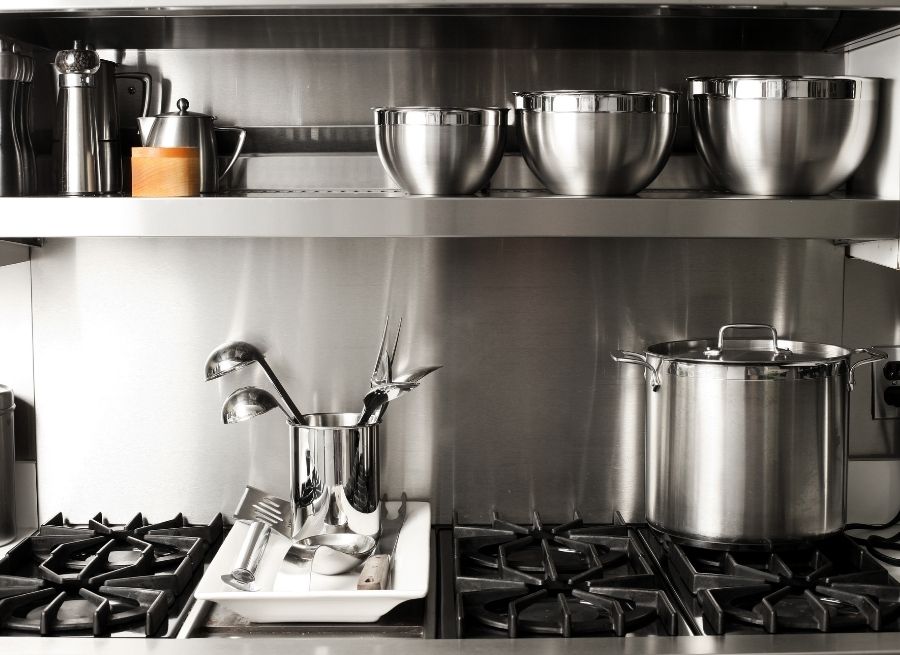
Durability and material play a big role in choosing the right kitchen tools. Strong tools last longer and save money. The material affects how tools feel and work. Some materials resist heat and stains better. Others can break or wear out fast. Picking the right material helps keep your kitchen safe and clean. It also makes cooking easier and more fun.
Stainless Steel Vs Plastic
Stainless steel is tough and lasts for years. It does not rust and cleans easily. It handles heat well and does not stain. Plastic tools are light and cheap. They come in many colors and styles. But plastic can melt or break with heat. It may stain or hold smells. Choose stainless steel for strong, long-lasting tools. Use plastic for light tasks or when you need color.
Wood And Silicone Options
Wood tools feel nice and look natural. They do not scratch pots and pans. Wood can wear down or crack over time. It needs to be cleaned and dried well. Silicone tools resist heat and do not melt. They bend easily and are soft on pots. Silicone does not stain or absorb smells. Both wood and silicone are safe for non-stick cookware. Pick wood for style and feel. Use silicone for heat resistance and flexibility.
Ergonomic Design
Ergonomic design is key for kitchen tools that feel good in your hands. Tools with this design reduce strain and make cooking easier. Your hands stay comfortable, even during long cooking sessions. This helps prevent pain and fatigue. Focus on how the tool fits your hand and supports natural movements.
Comfort And Grip
Comfort matters most for any kitchen tool. Look for handles that fit your hand size well. Soft, non-slip materials improve grip, even when wet. A good grip keeps you safe and in control. Rounded edges or padded handles feel better than hard, sharp ones. Tools that slip can cause accidents or slow you down.
Weight And Balance
Weight affects how easy a tool feels to use. Too heavy tools tire your hand quickly. Too light tools may feel weak or hard to control. A balanced tool distributes weight evenly. This balance lets you work smoothly and with less effort. Pick tools that feel natural to hold and move.
Versatility And Functionality
Read More – Can You Put Wooden Spoons in the Dishwasher?
Choosing kitchen tools that offer versatility and functionality saves space and time. Tools that perform well in many tasks reduce clutter. They also help you cook more efficiently. Prioritize items that handle multiple jobs or excel at one specific task.
Multi-purpose Tools
Multi-purpose tools combine several functions in one device. For example, a blender that also chops and purees. These tools cut down the number of gadgets you need. They simplify your cooking process. Choose items that easily switch between tasks. This flexibility is key for small kitchens and quick meal prep.
Specialty Gadgets
Specialty gadgets focus on one kitchen job but do it very well. Think of a garlic press or avocado slicer. They make specific tasks faster and easier. These tools often improve the quality of your cooking. Select specialty gadgets that match your cooking style. This ensures they add real value to your kitchen.
Ease Of Cleaning
Cleaning kitchen tools should not take much time or effort. Tools that are easy to clean save you from scrubbing and soaking. They help keep your kitchen tidy and your cooking routine smooth. Choosing tools with simple cleaning needs makes your life easier.
Dishwasher Safe
Dishwasher safe tools are a big help. You can put them in the dishwasher and save time. They dry quickly and stay clean without much work. Check the label to see if your tools can go in the dishwasher. This feature is great for busy kitchens.
Non-stick Surfaces
Non-stick surfaces stop food from sticking to tools. This means less scrubbing after cooking. These surfaces wipe clean with a soft cloth or sponge. Avoid using sharp tools that can damage the coating. Non-stick tools keep cleaning easy and fast.
Storage And Space
Storage and space are key factors in choosing kitchen tools. Small kitchens need tools that do not take up much room. Large kitchens still benefit from neat storage. Proper storage keeps your kitchen tidy and tools easy to find. Consider how tools fit in your kitchen before buying.
Compact Designs
Choose tools with compact designs. They save counter space and fit in small drawers. Tools that fold or nest inside each other are great. Compact tools reduce clutter and make cooking easier. They help keep your kitchen organized and clean.
Storage Solutions
Look for tools that come with storage options. Cases, hooks, or magnetic strips keep tools in place. These solutions prevent loss and damage. Wall-mounted racks or drawer dividers work well. Good storage makes your kitchen safer and more efficient.
Safety Features
Safety is a key factor when choosing kitchen tools. Tools with strong safety features protect you from burns, cuts, and slips. They help prevent accidents and make cooking easier. Always pick tools that keep your hands safe and comfortable during use.
Heat Resistance
Kitchen tools must handle hot temperatures without melting or breaking. Heat-resistant tools stay safe near ovens, stoves, and microwaves. They prevent burns by not getting too hot to touch. Silicone and certain plastics are good materials for heat resistance. Check the temperature limit before buying to ensure safety.
Non-slip Handles
Non-slip handles offer a secure grip even when wet. They stop tools from slipping out of your hands. Look for rubber or textured grips that feel comfortable. These handles reduce the risk of dropping sharp or heavy tools. A firm grip makes cooking safer and more controlled.
Budget And Brand Reputation
Choosing the right kitchen tools means balancing cost and quality. Your budget sets the limit for what you can spend. Brand reputation helps ensure that your tools will last and work well. Both factors protect your investment and improve your cooking experience.
Affordable Quality
Find tools that offer good value for the price. Cheap items may break quickly or not work as expected. Spend a little more to get durable and reliable tools. Look for sales or discounts to save money on better products. Affordable quality means you get the best within your budget.
Trusted Manufacturers
Choose brands known for making strong kitchen tools. Trusted manufacturers use good materials and smart designs. Their products often come with warranties or guarantees. Check reviews from other buyers for honest feedback. Brands with solid reputations reduce the risk of disappointment.
Read More – What Is the Best Cutting Board Material for Daily Use?
Frequently Asked Questions
What Materials Are Best For Durable Kitchen Tools?
Stainless steel and silicone are top choices for durability. They resist rust, heat, and wear, ensuring long-lasting use. Bamboo is also eco-friendly and strong. Avoid cheap plastics, as they break easily and can leach chemicals into food.
How Important Is Ergonomic Design In Kitchen Tools?
Ergonomic tools reduce hand strain and improve comfort during use. Look for handles that fit your grip well and provide good control. Comfortable tools make cooking easier and safer, especially for frequent use or people with arthritis.
Should I Prioritize Multifunctional Kitchen Tools?
Yes, multifunctional tools save space and money. They perform several tasks, reducing clutter. For example, a peeler that also juliennes or a knife with multiple blade options enhances efficiency without needing many separate tools.
How To Choose Kitchen Tools That Are Easy To Clean?
Opt for tools with smooth surfaces and minimal crevices. Dishwasher-safe materials like stainless steel and silicone simplify cleaning. Avoid tools with complicated parts that trap food, as they require more effort to maintain hygiene.
Conclusion
Choosing the right kitchen tools makes cooking easier and more fun. Focus on quality, comfort, and how each tool fits your needs. Think about durability and ease of cleaning too. Good tools save time and reduce frustration. Your kitchen will feel more inviting with the right items.
Take your time to pick tools that match your cooking style. Enjoy creating meals with tools that work well for you.