Can You Use Parchment Paper In The Microwave? The Safety Facts
Yes, you can safely. The only condition that changes this is using a browning element or a combination microwave setting, which burns dry paper quickly. You can place plain food on a sheet right away to stop splatters. You don’t need to hesitate when using parchment paper in the microwave for routine heating tasks.
When to use parchment paper in the microwave
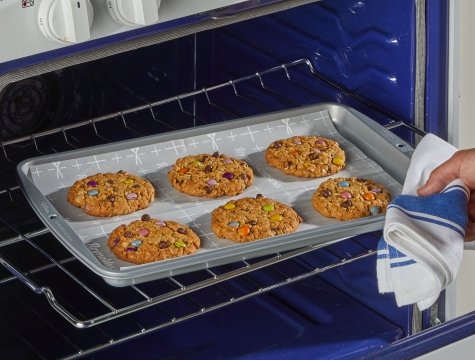
The safety of the sheet during cooking depends on your microwave type and paper brand.
| Your situation | Answer | Why |
|---|---|---|
| Standard microwave heating | Yes | Paper lets steam escape safely |
| Using combination grill mode | No | Direct radiant heat ignites paper |
| Reheating greasy pizza slices | Yes | Paper absorbs excess leaking oils |
| Confusing with waxed paper | No | Melted wax contaminates warm food |
| Covering steaming vegetables | Yes | Retains gentle moisture without melting |
| Long cycles over ten minutes | Check label | High heat degrades thin fibers |
Heat tolerance and microwave energy
Microwaves heat food by vibrating water molecules inside it, not by heating the air inside the box. Plain parchment paper contains almost no water, so it doesn’t absorb microwave energy directly. It only absorbs heat from the hot food resting against its surface. Most kitchen parchment features a silicone coating rated for temperatures up to 420°F to 450°F, depending on the manufacturer.
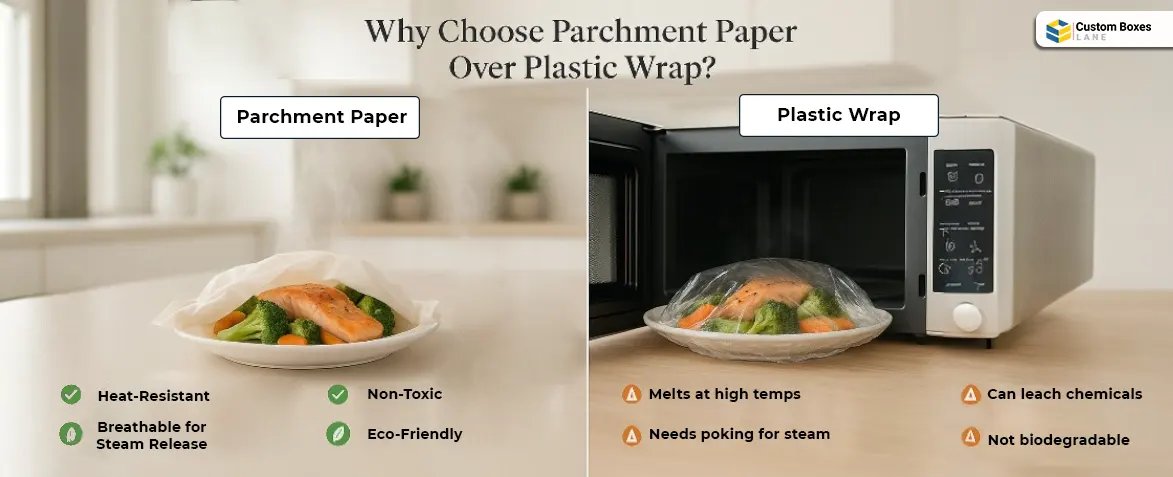
A trade-off exists between paper and plastic wraps: parchment doesn’t trap steam as tightly as cling film, so meals lose moisture slightly faster while avoiding any risk of melted plastic chemicals touching your food. This material limits how long you can heat dry ingredients. If food lacks moisture, dry paper can scorch from localized hotspots created by the machine. This varies by model — check the label on your paper box to verify the exact maximum heat rating.
If the heating cycle relies strictly on standard microwave energy, use parchment without worry; if the appliance runs on a convection, grill, or browning cycle, keep all paper away from the heating coils.
Safe steps for microwave heating
Follow these steps to heat food cleanly without scorching the liner:
- Check the box label to ensure the product is silicone-treated kitchen parchment rather than decorative craft paper. A printed oven-safe symbol confirms it handles cooking temperatures.
- Trim the paper edges so the sheet sits flat across the microwave turntable without brushing interior walls. The paper stays centered during full rotation without catching on the door frame.
- Add moisture to dry dishes by sprinkling a teaspoon of water over dense starches before covering them. Steam builds quickly and keeps the sheet pliable throughout the heating cycle.
- Vent the sheet by resting it loosely across the rim of your bowl instead of folding it tightly underneath. Trapped steam escapes steadily without blowing the paper off the dish.
- Set heating power properly for your machine, assuming a standard 1,000-watt microwave.
- Check doneness with a thermometer when reheating cooked leftovers until the center reaches 165°F. The probe shows the meal is safe to eat while the paper remains intact and uncharred.
The wax paper confusion
The most common mistake happens when people mistake wax paper for parchment paper. Wax paper looks similar, but manufacturer paraffin coatings melt at temperatures as low as 130°F. When melted paraffin runs into hot leftovers, it ruins the meal completely. A ruined cut of meat or baked dish costs real grocery money to replace, and you can’t wash petroleum wax out of warm food.
Wax melts if the food surface temperature exceeds the melting point of the wax coating. You can prevent this mistake with a simple touch check before cooking. Run your thumbnail firmly across the surface of the sheet; true silicone parchment paper feels dry and slippery without flaking, while wax paper leaves an obvious, cloudy scrape under your nail.
When to stop and get help
Stop heating and take safety steps if you notice any of these problems:
- Smoke or charring appears on the paper edges, which indicates dangerous localized hotspots or an active heating element.
- Persistent burning odors often signal food debris or grease buildup that requires cleaning.
- Sparks flash across the turntable, which means the paper contains metallic decorations or the cavity needs professional cleaning.
Opening appliance panels risks severe electric shock because internal capacitors hold lethal electrical charges even when completely unplugged. Stop your project and call a certified technician whenever the problem sits behind the metal casing.
Frequently asked questions
Can parchment paper catch fire in the microwave?
No, standard microwave radiation doesn’t ignite parchment paper during normal cooking cycles. Fire only starts if you turn on an overhead grill element, run the microwave empty, or expose dry paper to excessive cooking times above ten minutes.
Why did my parchment paper turn brown?
High heat from extremely oily or sugary foods transfers directly into the sheet. Cooking oils can reach temperatures well above 400°F quickly, scorching the paper fibers locally without the microwave itself heating the paper directly.
How long can parchment paper stay in the microwave?
This assumes standard 1,000-watt power; for higher-wattage units, inspect the dish around four minutes to verify the paper edges aren’t drying out.
Is it safe to reheat greasy bacon on parchment?
Yes, parchment paper handles hot animal fats safely without leaching chemicals into food. The silicone barrier resists liquid grease penetration, which makes cleanup simple and prevents hot oils from cracking standard glass turntable plates.
What happens if you use bleached parchment paper?
Nothing harmful happens during heating because the chlorine bleaching agents are neutralized during industrial production. If you prefer unbleached varieties, they perform identically under microwave radiation and hold the exact same safe temperature limits.
Does it matter which side faces up?
No, both sides of kitchen parchment paper are coated evenly with food-grade silicone during manufacturing. You can lay either side against your food without changing how moisture vents or how cleanly grease lifts off the sheet.
What to do next
Place a freshly cut sheet of parchment loosely over your plate before setting your microwave timer. The dish will heat evenly without drying out, signaled by steady steam rising around the edges of the paper when the door opens. If the paper discolors, turns brittle, or smells scorched during the cycle, stop the unit immediately and discard the sheet.