Can A Yeti Cup Go In The Microwave? The Safety Facts
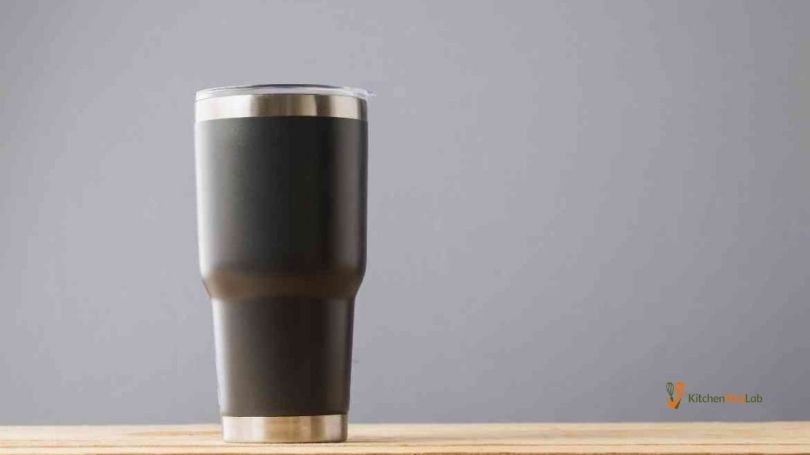
Can a Yeti cup go in the microwave? No, you can’t put it in. A person asking this faces a real fire risk because stainless steel reflects microwave energy. The only condition that flips this answer is if Yeti releases an explicitly certified, microwave-safe non-metal vessel, but their drinkware line uses double-wall vacuum steel. Pour your drink into an ordinary ceramic mug right now before you start reheating.
Can you microwave a Yeti cup
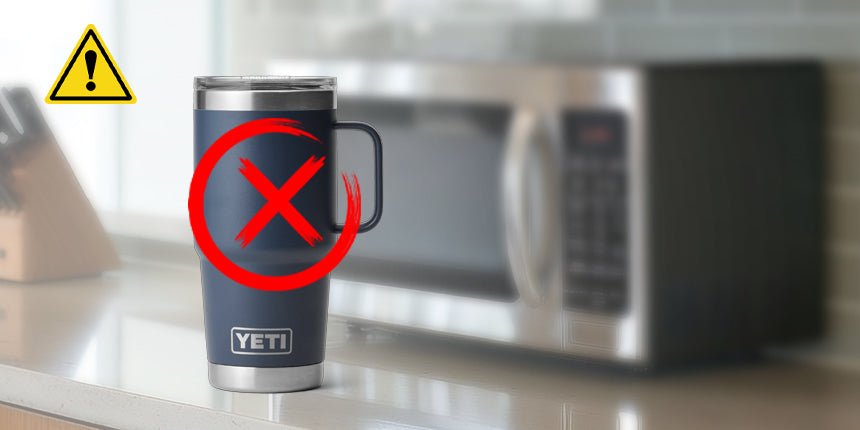
Your drinkware material decides whether heating is safe.
| Your situation | Answer | Why |
|---|---|---|
| Stainless steel Yeti Rambler | No | Metal reflects microwaves, causing dangerous sparks |
| Yeti Rambler with MagSlider lid | No | The cup has metal; lid plastic warps |
| Drink inside an ordinary ceramic mug | Yes | Ceramic absorbs heat without sparking |
| Drink inside a tempered glass cup | Yes | Microwave-safe glass heats liquid safely |
| Ceramic-lined Yeti Rambler cup | No | The body remains double-wall stainless steel |
How metal reacts to microwave energy
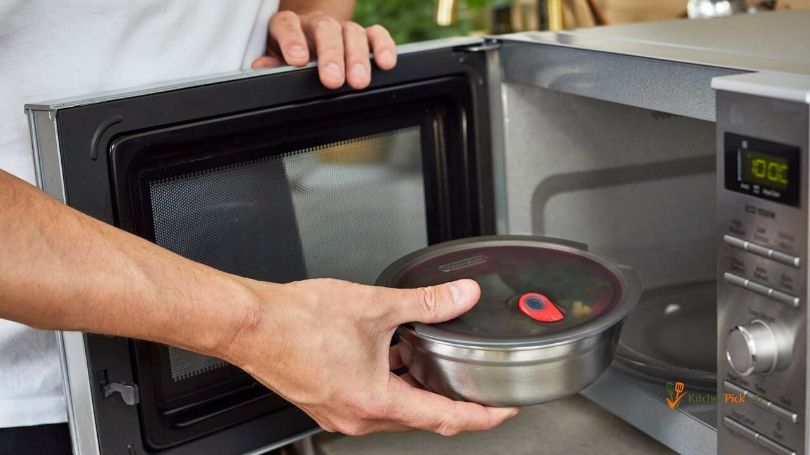
Microwaves heat food by sending waves that vibrate water molecules. Stainless steel blocks these waves completely. Instead of letting energy pass into your cold coffee, the steel walls reflect the energy away. This bounce creates an electric charge across the metal exterior. The USDA Food Safety and Inspection Service guidelines on microwave ovens explain that metal surfaces cause electrical charges to build up, leading to sparks and arcing.
There’s another mechanism at work: the vacuum seal. Yeti builds drinkware with two walls of steel surrounding an empty space with no air. This barrier stops heat from moving outward or inward. When you run a microwave around a double-wall container, the liquid stays cold while the reflected energy bounces back into the oven components. You risk burning out the appliance while drinking lukewarm coffee. If your container is solid stainless steel, keep it out of the appliance entirely; if your container is marked microwave-safe ceramic or glass, then you can warm your drink directly.
Safe ways to warm your drink

- Pour into a standard ceramic mug. A heavy mug allows microwave energy to heat the liquid. * This option isn’t for people who need a spill-proof lid immediately while driving.
- Heat the liquid in a small saucepan on the stove. Bring the liquid to your desired drinking temperature over medium heat, watching until vapor rises steadily. * This option isn’t for people without a stovetop or working burners nearby.
- Use an electric kettle to add fresh hot liquid. Top off your travel mug with a splash of boiling water to raise the total temperature without reheating. * This option isn’t for people who dislike diluting the strength of their coffee or tea.
The ruined magnetron tube
Turning the microwave on with a travel mug inside is an expensive error. People run the machine for two minutes, thinking the heavy steel will just warm up slowly. The reflected waves jump across the metal edge, producing bright electrical sparks that scorch the interior chamber walls.
Worse, that reflected energy travels directly back into the magnetron, which is the internal part that produces the cooking waves. Replacing a burned-out microwave costs far more than taking ten seconds to switch cups. You take on a real trade-off when using vacuum drinkware: you get hours of heat retention, but you lose the speed of quick microwave top-offs. Check the stamped letters on the steel bottom: if it says stainless steel, it must never enter the appliance.
When to stop and get help
- The microwave smells like burnt wire or ozone after running, which means internal parts suffered heat damage.
- Sparks leave dark, pitted burn marks on the interior walls that scrape off to bare metal.
- The microwave runs and turns, but liquid remains ice-cold, which signals a failed heating component.
Stop using the appliance if you see electrical damage inside the cavity. Unplug the unit from the wall outlet right away. A damaged interior requires a professional appliance repair technician or complete unit replacement.
Frequently asked questions

Can you microwave a Yeti lid by itself?
No. The standard lid contains a magnet inside the sliding closure. The clear plastic can also warp or melt under concentrated heat. Keep all travel lids, seals, and plastic components out of the appliance.
What happens if you put a Yeti cup in the microwave?
The steel reflects the energy, producing sparks that jump across the rim. Your liquid remains cool because the double-wall insulation shields it. Over time, that deflected energy overheats and destroys the appliance’s magnetron tube.
How long can a Yeti keep coffee hot without reheating?
The double-wall vacuum barrier prevents room air from chilling your drink. Opening the lid frequently drops that time frame significantly.
Is a Yeti ceramic-lined cup microwave safe?
No. The inner lining is a thin coating over a standard double-wall stainless steel body. The exterior remains conductive steel, which carries the exact same arcing and fire hazard as unlined models.
Does a Yeti cup get hot on the outside?
No. The vacuum barrier prevents heat from transferring from your hot beverage to the exterior steel shell. If the outside feels burning hot, the vacuum seal is broken and the cup needs replacement.
Can you put hot boiling water directly into a Yeti?
Yes. The stainless steel handles 212°F water without melting or warping. Always leave an inch of space below the inner rim so liquid doesn’t overflow when pushing the lid on.
What to do next
Pour your beverage into a standard ceramic mug right now to reheat it safely. You should see steam rising from the mug within one minute, while your travel mug stays unharmed on the counter. If your microwave ever starts making loud humming noises without heating anything, stop using it immediately and call an appliance repair service.