Can Induction Pans Be Used On Gas Stove? Yes, Here Is How
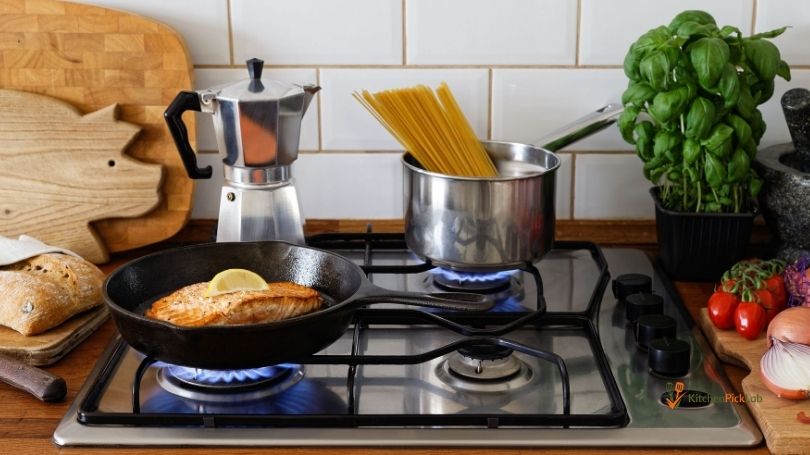
Yes, you can cook with them immediately. Induction pans heat normally on gas stoves because they contain steel or iron. Your only immediate check is whether the flame stays under the base so it doesn’t scorch exterior paint or plastic handles. Place the pan on your burner today without buying extra cookware.
In this article
When induction pans can be used on gas stoves
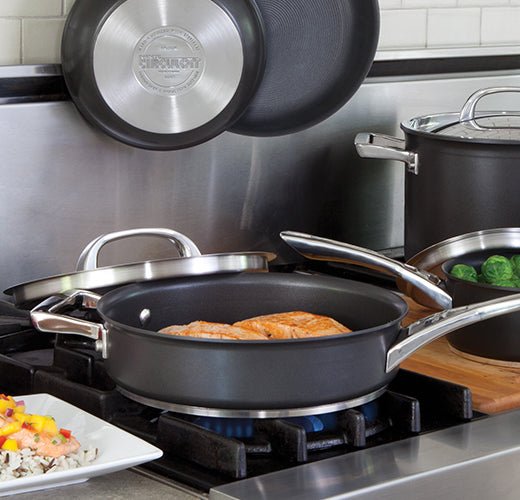
Gas burners work with almost all magnetic cookware, but specific finishes change how you use them.
| Your situation | Answer | Why |
|---|---|---|
| Stainless steel with magnetic core | Yes | Thick steel handles open flames without warping. |
| Cast iron or enameled iron | Yes | Pure iron distributes strong flame heat evenly. |
| Non-stick with bonded steel plate | Yes | Base works, but keep heat below 500°F. |
| Pan with painted exterior walls | Yes, with care | Flames licking the sides will discolor paint. |
| Pan with plastic handle parts | Yes, with care | Direct burner heat can melt lower handle joints. |
| Pure unlined aluminum or copper | No | Lacks induction plate and warps under flames. |
How pan bases handle open flames
The base construction decides whether your cookware survives gas heat without damage. Induction cookware requires magnetic metals like cast iron or 400-series stainless steel. Gas stoves don’t rely on magnetism at all; they simply burn fuel to create raw, external heat against the bottom of the vessel. Induction pans are durable enough to absorb direct thermal heat.
However, there’s an honest trade-off to consider. Cookware designed purely for gas often has flared, rounded bottoms that allow fire to travel upward evenly. Induction pans feature completely flat, rigid bottoms to maximize contact with glass cooktops. When placed on raised cast-iron gas grates, that broad flat base absorbs concentrated heat right where the metal prongs touch. A standard four-inch burner directs heat inward, while larger power burners spread fire outward toward the edges.
Protecting your cookware on gas burners
Induction pieces are safe on gas flames when you control the heat.

- Center the pan on the grate before lighting the gas to keep the bottom heating evenly. The pan sits level without wobbling on the iron supports.
- Ignite the flame at medium power rather than cranking it to high immediately. Blue flames appear directly under the metal disc without licking up the exterior walls.
- Add cooking oil or liquid within 30 seconds to avoid dry heating the metal base. The oil spreads smoothly across the surface without smoking.
- Adjust the gas dial down if you see fire escaping past the base diameter. Flames stay confined entirely beneath the thick bottom plate.
- Let the pan cool for 10 minutes on an unheated surface before washing with water. The metal base stays completely flat without warping from thermal shock.
The heat control error that ruins coatings
Turning a gas burner to maximum under an empty induction pan ruins it. Gas burners produce rapid, concentrated heat that can push pan surfaces past 500°F in under two minutes when there’s no food to absorb the energy. Overheating cookware can pose burn hazards and break down PTFE non-stick coatings, ruining expensive pans permanently.
When to stop and get help
Cooking on gas is safe, but burner defects require certified assistance:
- The flame burns bright yellow or orange instead of sharp blue, signaling improper gas combustion.
- You smell sulfur or raw natural gas near the stove, indicating an active leak that requires an immediate call to your local utility company.
- The pan rocks violently because the burner grate is cracked or bent, requiring an appliance technician to replace the support hardware.
Natural gas line repairs and burner valve replacements require a licensed gas fitter or professional appliance technician; don’t attempt gas pipe repairs yourself.
Frequently asked questions
Will gas flames ruin the bottom of induction pans?
No, gas won’t destroy the pan, but flames can leave harmless black carbon marks on steel. You can scrub off light discoloration using warm water and baking soda. Keeping your flame adjusted beneath the metal base prevents most exterior soot.
Can you use non-stick induction pans on gas?
Yes, non-stick induction pans work fine on gas if you use medium heat. Keep the flames beneath the pan base so the heat doesn’t degrade the non-stick coating. Never let temperatures exceed 500°F or preheat the surface without cooking oil.
Why do induction pans warp on gas stoves?
Induction pans warp when exposed to sudden, extreme temperature swings. Blasting high gas heat onto a cold pan causes the outer metal to expand faster than the inner core. Washing a sizzling hot pan under cold sink water also bends the metal plate.
Is cooking on gas slower with an induction pan?
No, cooking on gas with an induction pan takes about the same time as standard cookware. The thick steel plate absorbs gas heat quickly and spreads it toward the edges. You won’t notice any difference in boiling or searing times during everyday cooking.
Does gas heat ruin the magnetic base for future induction use?
No, household gas flames never get hot enough to destroy the magnetic properties of steel. Iron loses magnetism around 1,400°F, which standard residential burners can’t reach. Your pan will still work normally if you move back to an induction cooktop later.
Can you use an induction converter disc on a gas stove?
No, you don’t need an induction interface disc on a gas burner. Converter discs are only made to run non-magnetic pans on induction glass tops. Placing an interface disc over gas flames merely wastes fuel and blocks normal heat flow.
What to do next
Check the bottom of your pan to confirm it sits flat, then set your gas burner to medium heat. You should see a steady blue flame resting entirely beneath the base without spilling up the sides. If you ever smell gas or hear hissing along the stove connections, turn off the burner dial immediately and call your utility company.