Can You Microwave Stainless Steel Bowls? The Safety Verdict
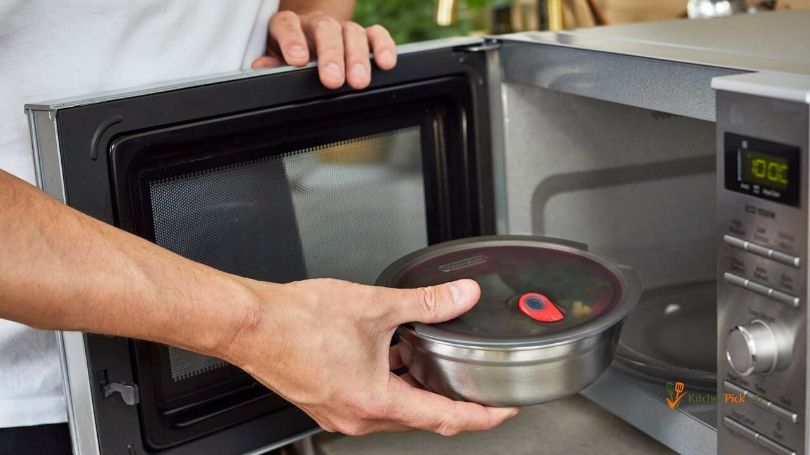
Usually not, because smooth metal reflects radio waves back into the appliance walls. If the metal has thin rims or sits near the chamber walls, intense electric sparks will jump instantly. You should transfer your food into microwave-safe glass or ceramic right now. Heating food in stainless steel is inefficient and risks damaging your microwave.
When you can microwave stainless steel bowls
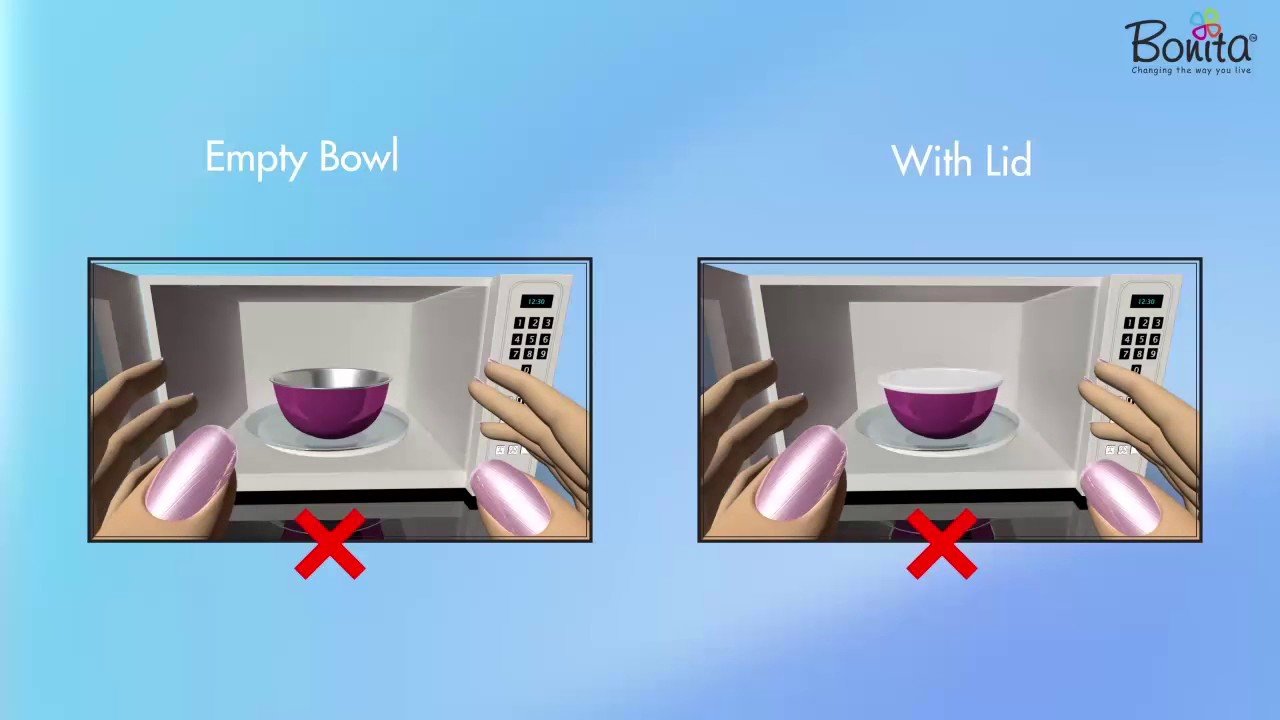
Your container’s shape and material dictate whether sparks fly inside the appliance.
| Your situation | Answer | Why |
|---|---|---|
| Standard thin stainless mixing bowl | No | Reflects energy and creates sparks near walls |
| Bowl with painted rim or foil trim | No | Thin metallic lines burn and ignite instantly |
| Thick bowl sold as microwave-safe steel | Yes | Engineered rounded edges prevent high voltage buildup |
| Stainless bowl touching metal chamber wall | No | Direct contact causes intense electrical arcing |
| Reheating thick soup in metal | No | Metal blocks waves; soup heats very slowly and unevenly |
How metal reflects microwave radiation
Microwave ovens heat items by passing radio waves through water molecules inside food. Stainless steel is an electrical conductor, so it blocks these waves from passing through. Instead, the waves bounce off the exterior surface. That means food hidden beneath the metal line receives significantly less direct energy, so it won’t heat up evenly.
Electrical charges gather along the metal. Charges concentrate on sharp edges until they discharge into the air. This discharge, called arcing, looks like bright blue lightning. Arcing can crack the turntable, burn the paint, or ruin the magnetron.
Safer ways to heat your food
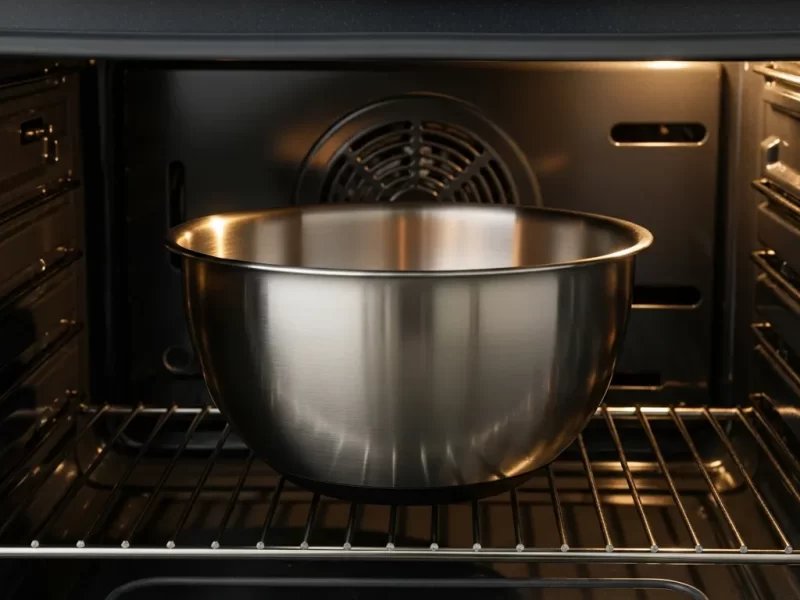
- Move your food into plain tempered glass. Transfer everything from the steel bowl into a clear glass container to allow waves to pass through completely, showing steam within two minutes.
- Use an unpainted ceramic bowl instead. Check the bottom surface for a plain glaze with no metallic gold leaf or silver lines, which heats food thoroughly without producing any crackling sounds. This option isn’t for items with visible hairline cracks, since trapped water can split the dish.
- Warm the meal over low stove heat. Scrape the food directly into a small saucepan or keep it in your heavy steel bowl over a low burner flame, stirring until hot. This option isn’t for people without access to an open flame or cooktop element.
- Use microwave-safe paper containers for quick reheating. Set the food on an unprinted paper plate or inside a plain paper bowl, checking that the base stays dry after 60 seconds of run time. This option isn’t for watery broths or heavy liquids that soak through fiber.
The common rim mistake
People often assume smooth metal never sparks. This ruins the appliance if the rim sits within one inch of the wall. High voltage arcs across the gap, scorching the liner and blowing the fuse. Fixing this requires expensive parts or a new microwave.
When to stop and get help
Stop running the unit immediately and call a certified appliance technician if you run into these problems: * The machine smells like melted plastic or burning wire, which means an electrical component shorted out inside the housing. * You see brown scorch marks or bare metal pits on the inner wall, which expose the cavity to dangerous power leaks. * The microwave runs and turns, but water stays freezing cold after two minutes, which means the magnetron failed completely.
High-voltage capacitors hold lethal electric charges long after you pull the plug.
Frequently asked questions

Can you put stainless steel in the microwave?
No, standard stainless steel reflects microwave energy and creates dangerous sparks. Radio waves can’t penetrate the metal surface to reach your food. This reflection can easily damage the magnetron tube that powers the unit. Always use tempered glass, ceramic, or microwave-safe plastic dishes for heating meals.
What happens if you microwave a metal bowl?
Electric charges gather rapidly along the outside of the bowl. When these charges build up near the chamber walls, bright electric sparks leap across the gap. That arcing burns the internal paint and can start a fire inside the appliance. Your food remains cold because metal bounces the waves away.
Why do some microwave instructions allow metal?
Certain appliances permit thick, flat metal shields or specialized trays engineered with blunt edges. Smooth, rounded metal reduces the risk of electrical charges gathering at sharp points. However, this varies by model, so check the owner manual before testing any metal container. When in doubt, leave metal out completely.
Will a stainless steel bowl ruin my microwave?
Yes, running the appliance with an ordinary steel bowl can destroy the magnetron tube within seconds. Reflected waves bounce back into the wave source instead of being absorbed by food. This extra energy overheats the system and blows internal thermal fuses. Replacing these parts costs almost as much as a new unit.
Is it safe to reheat soup in a steel bowl?
No, the soup will heat very poorly while the metal container risks starting an electrical fire. Microwaves are reflected by the metal, preventing them from reaching the liquid through the sides or bottom of the bowl. Only the surface layer exposed to the open air receives direct microwave energy, while the rest of the food heats only through conduction. Transfer your soup to ceramicware first.
Can forks spark worse than stainless bowls?
Yes, forks spark much faster because their pointed tines act like lightning rods for electric charges. Voltage jumps between the narrow gaps of the tines instantly. Smooth bowls take slightly longer to spark, but they still present a severe fire hazard if they sit too close to the interior walls.
What to do next
Scoop your food out of the stainless steel bowl and place it into a microwave-safe ceramic or glass dish right now. You should expect steady steam rising from the center of the food once the cook cycle finishes. If your appliance makes a loud humming sound without producing any heat, stop using it and contact an appliance repair shop.