
Can Stoneware Go In The Dishwasher? How to Check Your Pieces
Yes, modern glazed pieces can go in the machine, but whether stoneware can go in the dishwasher depends entirely on the finish.
When stoneware is dishwasher safe
Your stoneware fits into one of these common household situations.
| Your situation | Answer | Why |
|---|---|---|
| Factory-glazed dinnerware | Yes | Sealed clay resists water penetration |
| Unglazed baking stone | No | Absorbs soap and ruins food taste |
| Piece with gold trim | No | Harsh detergent strips the metal foil |
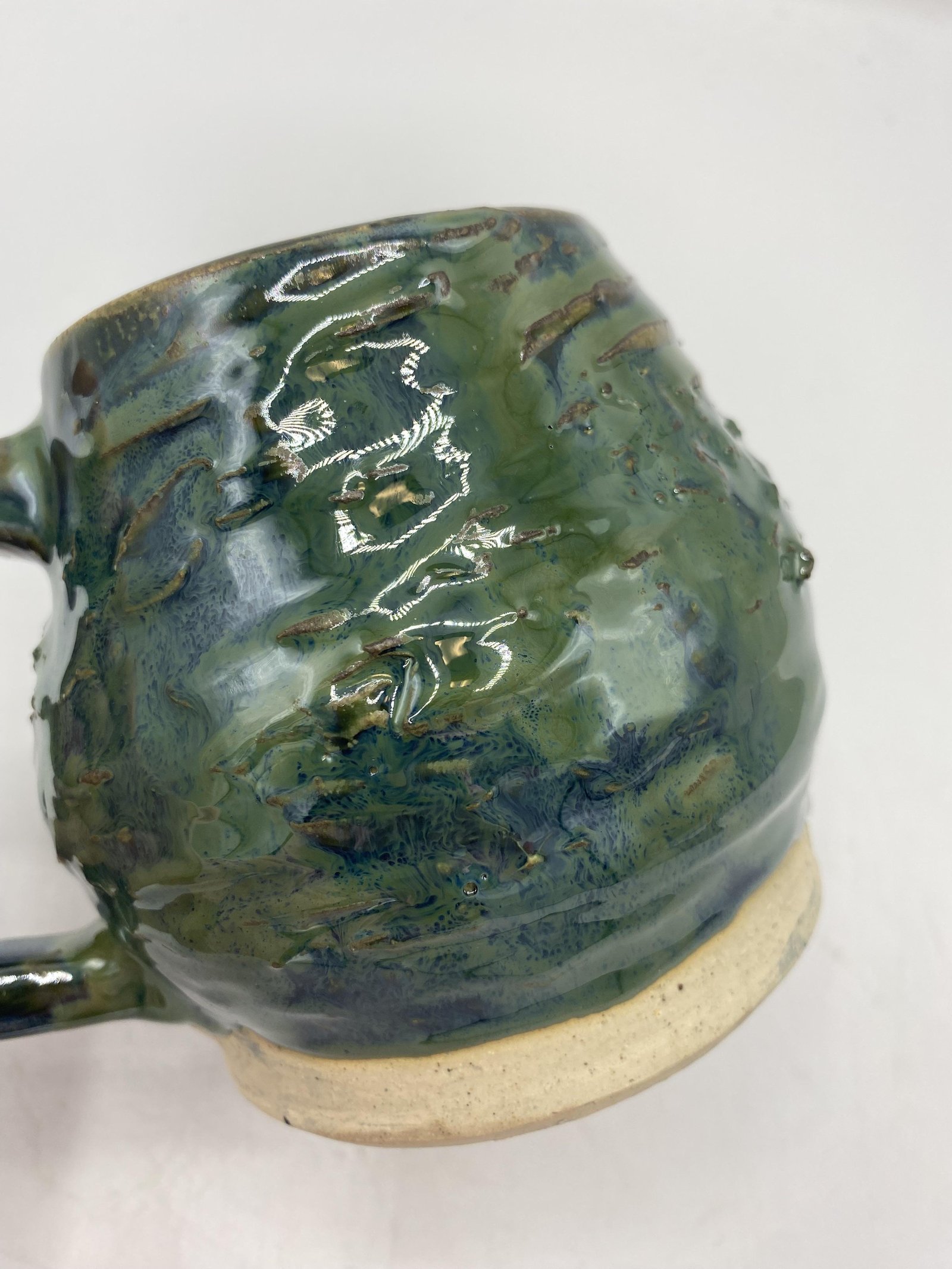
| Handmade studio pottery | Only if marked | Porous clay bodies craze or leak |
| Hairline crack visible | No | Heat expands crack and shatters body |
| Vintage or antique item | No | Old glazes soften or leach chemicals |
Surface glaze and clay porosity
Water absorption decides whether a ceramic piece survives machine washing. Dense stoneware clay fired at high temperatures becomes durable, but unsealed areas remain naturally porous. When water gets past a weak seal during a 140°F wash, it swells the internal clay body. The trade-off for machine convenience is a shorter lifespan for decorative glazes, as alkaline powders slowly etch shiny surfaces over several months.
This process isn’t for unglazed baking tools like pizza stones, which permanently trap detergent chemicals inside their open pores. According to the FDA food safety regulations, cracked or damaged glazes on food ceramics can create safety hazards by trapping food residue or leaching lead. This varies by model — check the label on the bottom of the vessel before you decide to load it. If the bottom shows a smooth glaze with a dishwasher icon, run it on normal; if you see bare, powdery clay, wash it by hand.
How to wash glazed stoneware safely
Modern stoneware handles the machine well if you load and space it correctly.
- Scrape off food remnants using a soft silicone spatula. The dish looks clear of large grease clumps before loading.
- Space pieces apart so no plate touches another dish on the rack. The plates won’t rattle when you gently shake the rack.
- Select a gentle wash cycle with normal water heat around 130°F to 140°F. The wash panel displays a standard or delicate cycle setting.
- Turn off heated drying to let the ceramics cool down at room temperature. The machine door releases steam without baking the glaze.
- Inspect the dry surface after twenty minutes of cooling on the counter. The glaze feels smooth without white soapy marks or new fine lines.
Thermal shock from rapid temperature swings
Putting a hot baking dish straight into a cool pre-rinse cycle cracks the stoneware right across the middle. People make this error after roasting dinner, and it costs them the entire baking dish instantly. Thick clay expands when hot and shrinks when cold, but it can’t adjust its shape within three seconds. Let your bakeware sit on a wooden trivet for 30 minutes until it reaches room temperature to touch before you load it.
When to stop and get help
- Deep cracks show on the cooking face, which risks shattering inside your oven or cutting your hands.
- Liquid seeps through the base onto the counter, because the interior core is completely soaked.
- The piece is an antique family heirloom, which needs a professional ceramic conservator rather than home repair.
Licensed ceramic restoration artists handle historic pottery repair. Toss out everyday kitchen baking pans that show structural cracks, because glue won’t hold at baking temperatures.
Frequently asked questions
Can stoneware dishes go in the microwave?
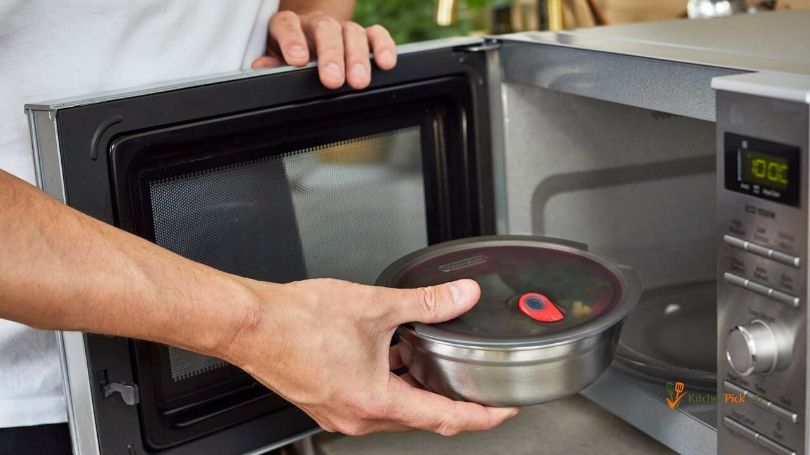
Yes, if the maker states it’s microwave-safe on the base stamp. The dish heats up safely unless it contains trace metal or trapped moisture from a previous wash cycle. If the dish feels hotter than the food itself, stop using it in the microwave immediately.
Why did my baking stone crack in the machine?
Because unglazed stoneware absorbs water rapidly and fractures under mechanical spray. The trapped liquid expands rapidly during the drying cycle, causing the thick stone to break in half. You can’t fix a cracked pizza stone once the clay structure snaps apart.
How long does glazed stoneware last with machine washing?
The high-alkaline soap slowly strips the protective glass shine over time. Washing by hand with mild liquid dish soap preserves the original finish for decades.
Is it safe to wash Pampered Chef stoneware in a dishwasher?
No, unglazed Pampered Chef pieces must never enter a dishwasher. The open clay absorbs detergent chemicals, permanently ruining the seasoned surface and tainting future meals with a bitter soap taste. Scrape the pan clean using hot water and a nylon pan scraper instead.
What happens if you run an unglazed dish through the cycle?
It absorbs dishwasher detergent into its internal clay body. You’ll smell chemical soap fragrance the next time the piece heats up in the oven. That trapped detergent transfers chemical off-flavors directly into your food during baking.
Does cold water crack hot stoneware dishes?
Yes, sudden temperature differences cause severe thermal shock. The rapid shift between a 400°F oven dish and 60°F sink water breaks the ceramic walls within seconds. Always let thick clay pieces sit at room temperature until cool to touch.
What to do next
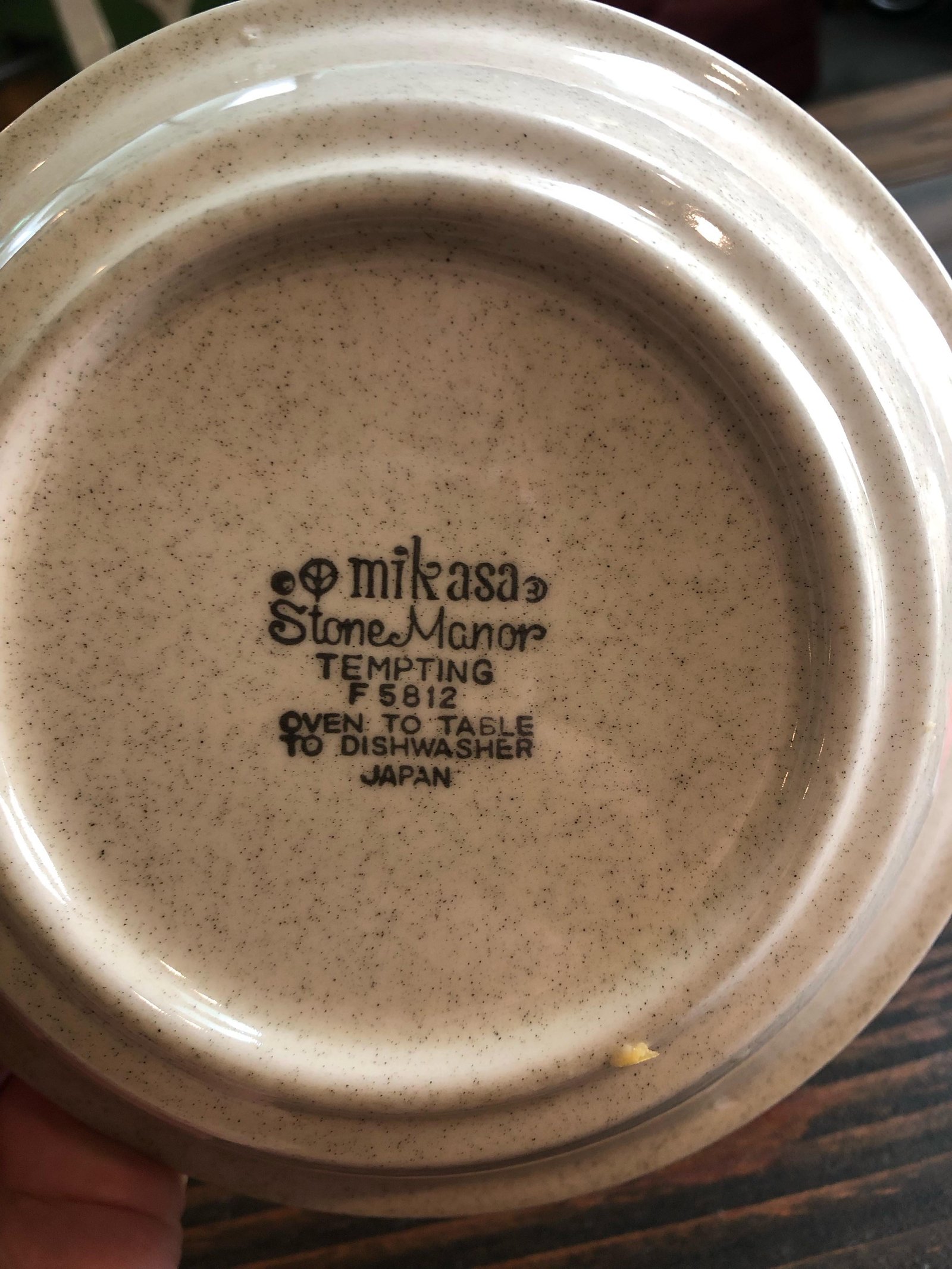
Check the bottom stamp on your dish right now to confirm the maker approves machine washing. Your piece will come out clean and smooth without any new hairline marks across the glossy coating. If you hear a dull thud instead of a clear ring when tapping the rim, retire the dish from food use.
Final Thoughts
If you’re still unsure about a favorite mug or bowl, check the manufacturer’s stamp on the bottom for a dishwasher-safe symbol. When in doubt, hand-washing is always the safest bet to keep your pottery looking new. You’ll enjoy your collection for years if you treat those delicate, unglazed pieces with a little extra care.