Can Plastic Tupperware Go In The Microwave? How to Check Safely
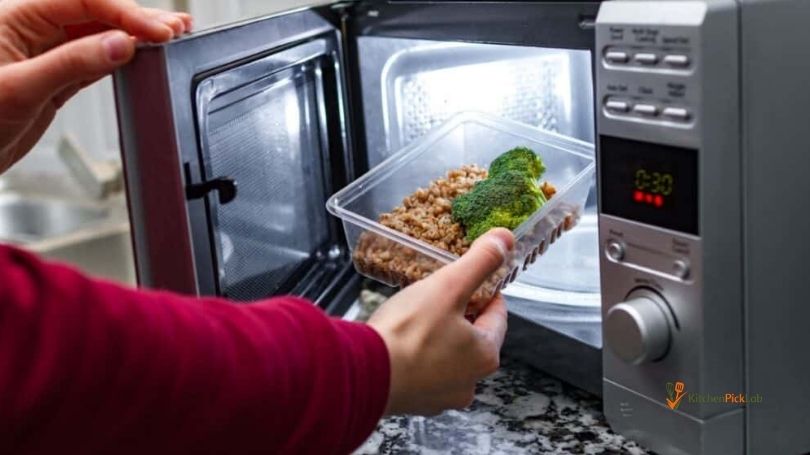
Yes, but only if the container shows the microwave-safe symbol or label on its base. Older containers, damaged plastic, and takeout tubs will melt or leach chemicals into your meal. Turn the dish upside down right now to inspect the base before you heat any food.
When plastic Tupperware is microwave safe
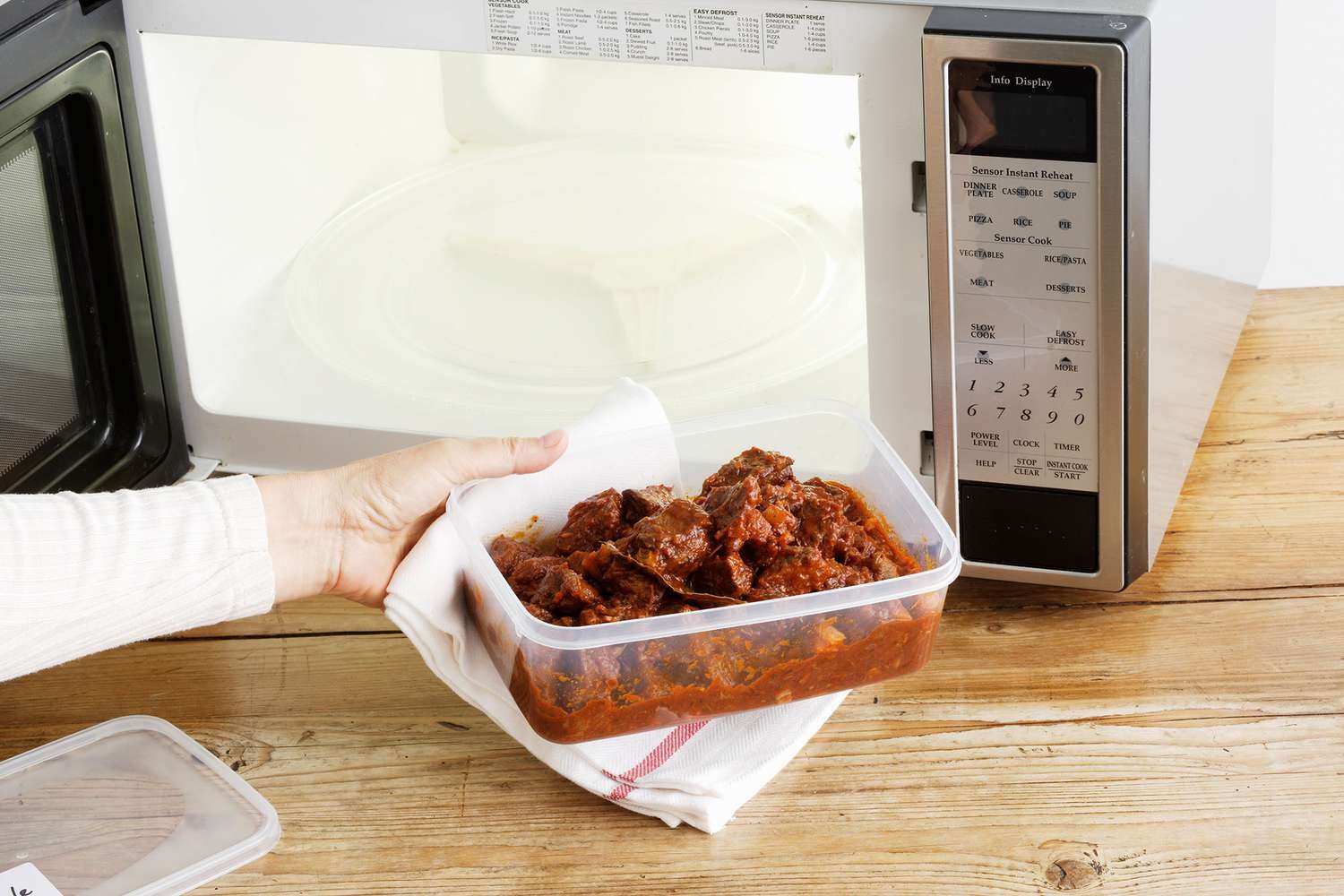
Check your dish against these everyday situations before turning on the appliance.
| Your situation | Answer | Why |
|---|---|---|
| Modern box with wavy lines symbol | Yes | Tested for microwave heat resistance |
| Single-use takeout or margarine tub | No | Thin plastic warps and melts fast |
| Dish with white pits or cracks | No | Damaged surface traps food and chemicals |
| Dish marked with resin code 5 | Yes | Polypropylene tolerates typical food reheat temperatures |
| Container marked with resin code 7 | No | Often contains mixed resins like polycarbonate |
| Lid without steam vent attached tightly | No | Trapped steam warps rim and lid |
What decides it
Heat tolerance and chemical formulation decide whether plastic belongs in your appliance. Microwave radiation doesn’t heat the plastic directly. Instead, the water, fat, and sugar inside your food absorb the microwave energy and heat up rapidly. That hot food then transfers its heat directly into the plastic walls. Standard plastics soften around 160°F to 200°F. When food touches plastic past that material’s softening point, the polymers stretch, blister, or migrate into the liquid.
The FDA microwave safe plastics guidance explains that containers undergo testing to confirm that chemical migration remains well below established safety limits under high temperatures. Polypropylene handles boiling temperatures without degrading. Polyethylene and polystyrene soften much earlier, especially when in direct contact with hot fats or oils.
Cooking fatty meats or sweet sauces poses a major trade-off: plastic holds leftovers securely in the fridge, but it often stains and pits if used to reheat those same oily meals. Check the label on your specific dish, as temperature tolerances differ by brand and resin batch. If the base shows three wavy lines or code 5, it’s safe for reheating; otherwise, transfer food to glass.
If you go ahead
- Inspect the container base for the wavy squiggly lines or the words “microwave safe”. The step worked if you clearly see three wavy lines embossed in the plastic.
- Transfer food to ceramic if the meal contains pure butter, bacon, or heavy cooking oil. The step worked if high-fat food sits in a ceramic bowl rather than touching plastic walls.
- Open the steam vent or lift one corner of the lid by at least half an inch. The step worked if steam escapes freely during heating without popping the lid off.
- Set the power to medium (about 500 to 600 watts on a standard 1,000-watt unit) for 2 minutes. The step worked if the food warms gradually without boiling violently against the sides.
- Check the internal temperature of leftovers with a food thermometer to confirm they reach 165°F. The step worked when the digital probe reads 165°F or higher throughout the thickest part.
The mistake people make
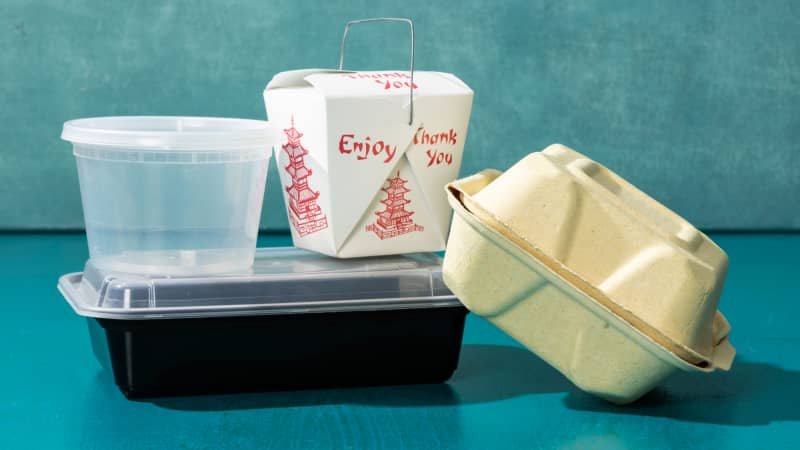
Heating fatty or sugary foods on full power ruins containers. Cooking oils, tomato sauces, and melted cheeses easily climb past 250°F, which exceeds the thermal limit of polypropylene. This ruins your lunch and leaves permanent pitted rings in the dish. These rings indicate the plastic melted and shed material into your meal. You can avoid this by checking the food’s fat content first: whenever you heat pizza, gravies, or oily curry, move the portion to a standard glass bowl.
When to stop and get help
- The dish has melted, warped, or slumped out of shape, meaning the plastic structure failed completely and the dish must be thrown away.
- The plastic smells strongly of chemical fumes after heating, which indicates resin degradation that washing won’t fix.
- You see scorching, brown burn marks, or small holes in the bottom, which means hot spots reached dangerous temperatures.
- A single-use plastic wrap or lid melted directly onto the surface of your food; discard the food entirely because ingesting melted polymer carries health risks.
Technicians handle microwave appliance repairs, but degraded food containers can’t be repaired by anyone and belong in the trash.
Frequently asked questions
Can you put Tupperware with code 5 in the microwave?
Yes. Resin identification code 5 stands for polypropylene, which is a heat-tolerant plastic designed for standard food warming. You should still keep power levels moderate. Check the base for the manufacturer’s microwave-safe stamp to be completely certain, as wall thickness also affects durability.
What happens if you microwave Tupperware that isn’t safe?
The plastic softens, warps, or blisters within seconds. As the material breaks down under high temperatures from hot food, chemical additives can transfer directly into your meal. The container’s seal will warp permanently, ruining the lid fit, and your food will often taste like heated plastic.
How long can Tupperware stay in the microwave?
Heating beyond 3 minutes causes the food temperature to climb high enough to blister the plastic walls. Stir the food halfway through to prevent concentrated hot spots from developing.
Does it matter if the Tupperware lid stays on?
Yes, it matters because tightly sealed lids trap expanding steam. The rising pressure can violently pop the lid off, splashing hot food across the microwave walls, or warp the container rim. Always open the built-in lid vent, or leave one corner unlatched by half an inch.
Is old vintage Tupperware safe to microwave?
No. Many older plastics degrade over decades of wash cycles, making them more prone to shedding particles when exposed to heat. Use older pieces strictly for cold pantry storage.
Why does my plastic container have rough white spots after reheating?
Those rough white spots indicate that hot oil or sugar exceeded the melting point of the plastic surface. The container suffered heat erosion, meaning a small layer of plastic melted away. You can’t scrub these spots off, and you shouldn’t use that pitted container for reheating again.
Can Tupperware go in a 1,200-watt microwave safely?
Yes, but you must drop the power setting down to 50% or 60%. High-wattage microwaves heat food much faster, creating boiling pockets that quickly melt plastic edges.
What to do next

Check the bottom of your container for the three wavy lines before placing it inside the microwave. You should expect the food to reach a steaming 165°F while the plastic container stays firm, smooth, and undamaged. If the plastic feels soft to the touch or shows any bubbling, stop immediately and throw the container out.
Final Thoughts
If you aren’t sure about a container’s history, it’s best to play it safe. Toss out any scratched or warped tubs today and swap them for glass or ceramic dishes. You’ll feel much better knowing your leftovers are heating up in something that won’t melt or leak unwanted chemicals into your dinner.