
Can Paper Plates Go In The Oven? The Safety Facts Explained
Can paper plates go in the oven? No, you can’t put standard paper plates in your oven. Doing so usually leads to a fire hazard, unless the product specifically says oven-safe on the packaging. Take your paper plate away from the stove immediately and transfer your food to a metal baking sheet or glass dish.
When it’s yes and when it’s no

Standard kitchen tableware reacts differently to dry heat depending on how it was made.
| Your situation | Answer | Why |
|---|---|---|
| Plain white paper plate | No | Paper dries out and catches fire |
| Plastic-coated glossy plate | No | Thin plastic coating melts into food |
| Printed decorative party plate | No | Inks release bad chemical fumes |
| Oven-safe molded fiber tray | Yes | Specially treated to resist dry heat |
| Heavy-duty wax-coated plate | No | Hot wax melts at low temperatures |
What ignites paper inside an oven
Paper ignites easily because an oven uses dry, radiant heat. Standard paper begins to scorch, turn brown, and smoke well before it bursts into flame. Most kitchen paper can catch fire around 450°F (232°C), but an oven’s heating element gets much hotter than the air setting on the dial. A plate sitting near the bottom element can reach its ignition point even when the oven is set to 300°F (149°C).
Beyond burning, modern disposable plates usually carry a thin plastic lining or synthetic resin to keep grease from soaking through. When heated in an oven, these coatings break down quickly. The USDA Food Safety and Inspection Service warns that heating non-approved materials can allow harmful chemicals or plastics to migrate directly into your food. The trade-off for cheap disposable convenience is low heat resistance. Even if the plate doesn’t produce visible flames, the heat melts these plastics, ruining your meal with chemical odors. If a paper dish has an official oven-safe label, then use it within the stated temperature limit; if it lacks that label, keep it out of the oven entirely.
Safe alternatives for heating food
Because the answer for regular plates is no, use one of these heat-safe options instead to warm your meal.
- Transfer food to an aluminum baking sheet. A metal baking sheet handles standard oven temperatures up to 500°F (260°C) without warping or releasing fumes.
- Use an oven-safe ceramic or stoneware dish. Ceramic distributes heat slowly and keeps food warm long after you pull it out. This option isn’t for quick heating tasks because heavy stoneware takes extra minutes to warm through.
- Switch to oven-safe tempered glass. Glass lets you view the bottom of your food to prevent burning. This option isn’t for use directly under an oven broiler, where intense radiant heat can shatter the dish.
- Wrap the food inside aluminum foil. Foil holds in moisture and lets you reheat food directly on the center oven rack. This option isn’t for acidic foods like sliced lemons or tomato sauce, which can degrade the foil.
Leaving paper near heating elements
The single biggest mistake people make is placing a paper plate on the bottom rack of an electric oven. Heating elements cycle on and off, reaching surface temperatures well above 800°F (426°C) to heat the surrounding air. When a dry paper plate sits close to those bottom coils, it can burst into flames in less than three minutes. This mistake costs you a ruined meal, smoke damage throughout your kitchen, or a house fire that requires a call to emergency services. The one check to avoid disaster is simple: look inside the oven cavity and confirm you’re only using metal, glass, or ceramic cookware.
When to stop and get help
Cooking accidents can turn into serious emergencies quickly. Stop handling the situation yourself if any of these events occur:
- Flames spread beyond the food tray and catch on the oven walls, because you can’t safely smother it without a fire extinguisher.
- Thick black smoke fills the room, because breathing burning plastic fumes causes severe lung irritation.
- Melted plastic coats the oven heating element, because scraped elements need electrical inspection.
Call your local fire department immediately if an oven fire doesn’t go out after you turn off the heat and close the door.
Frequently asked questions
Can paper plates go in a 350-degree oven?
No, standard paper plates can’t handle 350°F (177°C). The dry heat causes the paper fibers to dry out, scorch, and release plastic fumes from the moisture barrier. Always use an oven-safe metal pan or glass dish instead.
What happens if you put a paper plate in the oven?
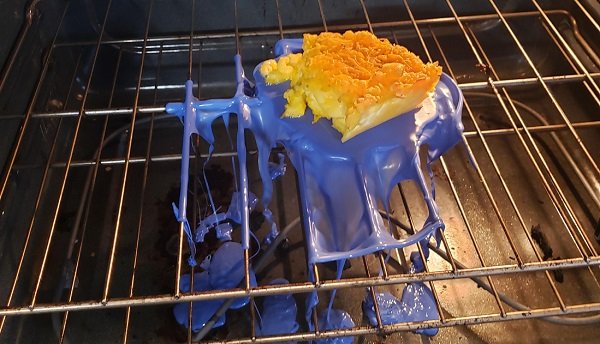
The plate will scorch, curl at the edges, and likely catch fire. Any plastic coating or printed ink on the plate will melt and release toxic smoke into your food and kitchen air.
Can you put Chinet paper plates in the oven?
Yes, but only specific molded-fiber products labeled oven-safe by the manufacturer, and only up to 400°F (204°C). Check the original packaging first. If the package doesn’t explicitly list an oven temperature limit, keep the plate out of the oven.
Can a paper plate catch fire at 200 degrees?
No, paper won’t catch fire at 200°F (93°C), but it’s still unsafe. The plastic lining can soften and leach into your food even at low warming temperatures. Use a metal baking tray to warm food safely.
Is it safe to reheat pizza on a paper plate in the oven?
No, reheating pizza on a paper plate creates an unnecessary fire risk. The plate dries out while the cheese melts, and grease soaking through makes the paper more flammable. Slide your pizza slice directly onto a baking sheet instead.
Can paper plates go in a toaster oven?
No, toaster ovens are even more dangerous for paper plates than regular ovens. The heating elements sit only an inch or two away from the food, which causes paper to catch fire almost instantly.
What to do next
Take your food off the disposable plate and place it onto a metal baking sheet or oven-safe dish. You’ll know it worked when your meal heats evenly through without scorching or strange plastic smells. If you see active flames or heavy smoke coming from your appliance, turn off the controls, keep the door closed, and call emergency services right away.