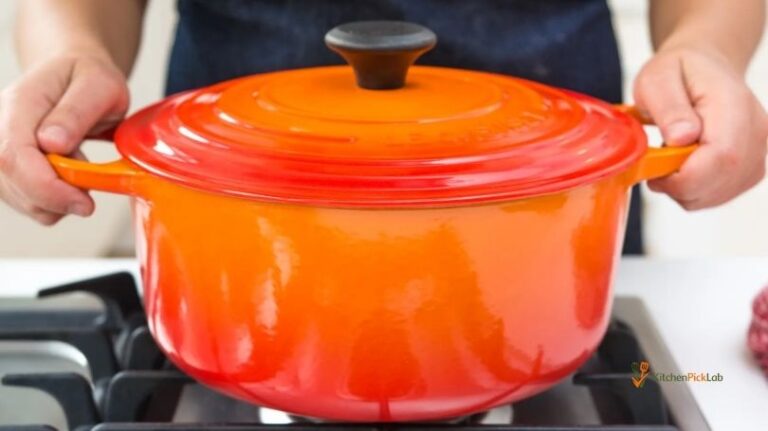
Can You Bake Sourdough Without A Dutch Oven? Yes, Here Is How
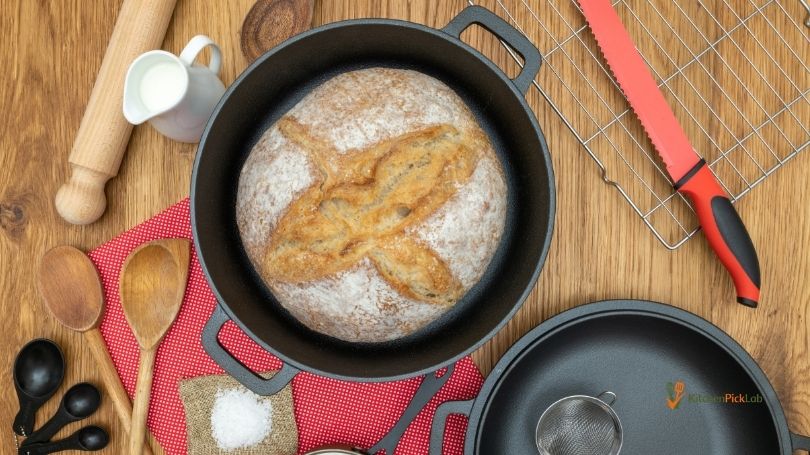
Yes, you can do it easily. You don’t need heavy cast iron to get an open crumb; baking sourdough without a Dutch oven is entirely possible if your kitchen lacks one. Absolutely, as long as you trap enough steam around the dough during the first 20 minutes. Preheat your oven to 450°F with a heavy sheet pan inside right now.
In this article
When it’s yes and when it’s no
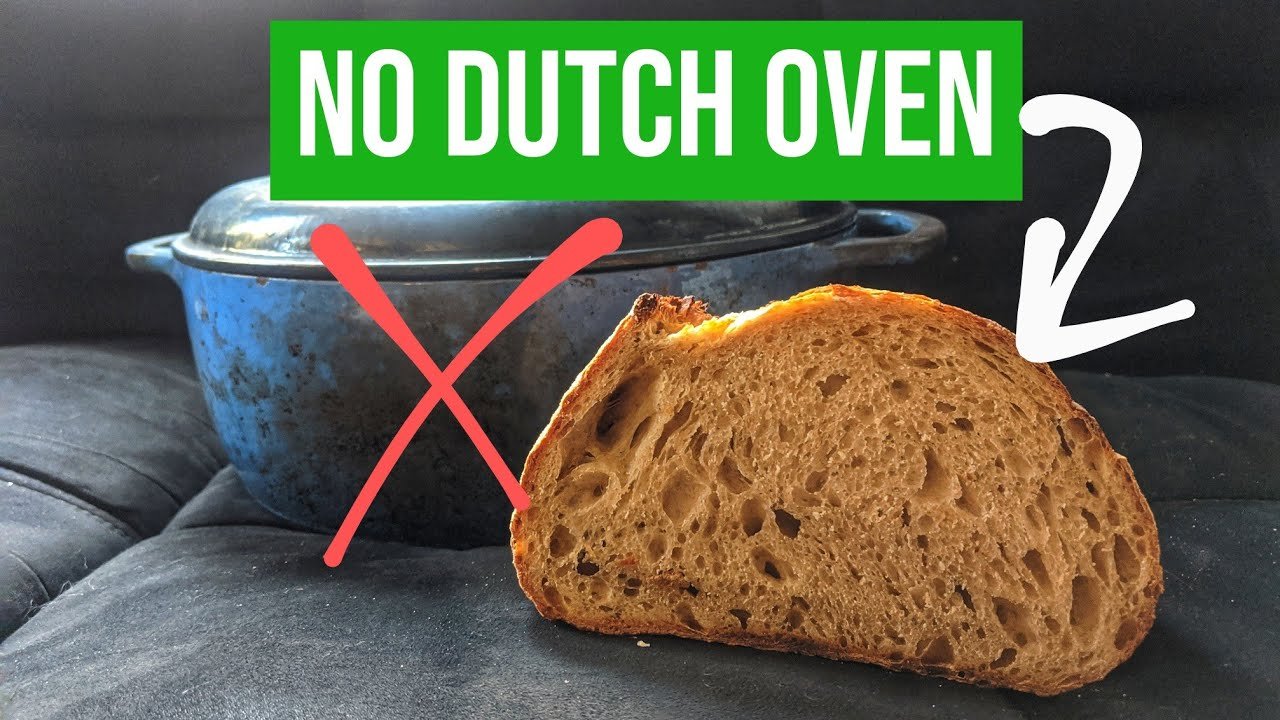
Your baking gear changes how you add moisture and heat to the loaf.
| Your situation | Answer | Why |
|---|---|---|
| Heavy baking stone and metal tray | Yes | Stone holds heat; tray creates burst steam. |
| Standard thin baking sheet only | Yes, but | Loaf base browns faster than thick iron. |
| Inverted roasting pan over sheet | Yes | Metal dome traps dough’s natural moisture. |
| Glass casserole dish with lid | Yes, but | Check thermal limit; some shatter over 425°F. |
| Convection fan running non-stop | No | Moving dry air sets crust before rising. |
| Cold oven without preheating | No | Dough spreads flat without initial heat surge. |
Trapping steam in your oven
Trapping steam during the first 20 minutes ensures your sourdough loaf rises tall. When raw dough hits intense heat, gas expands to create oven spring. Moisture delays crust formation, allowing the bread to swell before the skin hardens. A Dutch oven seals in moisture evaporating from the loaf. On an open rack, you must create humidity manually.
Without steam, heat hardens the dough surface within minutes. You can create steam by pouring boiling water into a preheated cast iron pan sitting on the bottom shelf. Open steaming creates a crisp crust but risks steam burns and drops oven temperature.
If your oven seals moisture well, use an open steam pan; if your oven vents moisture rapidly, cover the dough with an inverted metal roasting pan instead.
Baking your loaf with steam
- Preheat your oven and tools to 450°F for 45 minutes with a baking sheet in the middle and a cast iron skillet on the bottom floor. The oven thermometer reads 450°F steadily before you load the loaf.
- Turn out your cold dough onto parchment paper and score the top 0.5 inches deep with a razor blade. The slash opens cleanly without dragging the wet dough.
- Slide the loaf onto the hot middle sheet using a cutting board as a peel. The parchment sits flat against the heated metal without folding over.
- Pour 1 cup of boiling water directly into the bottom cast iron pan and shut the door immediately. Thick white steam billows up instantly across the oven window.
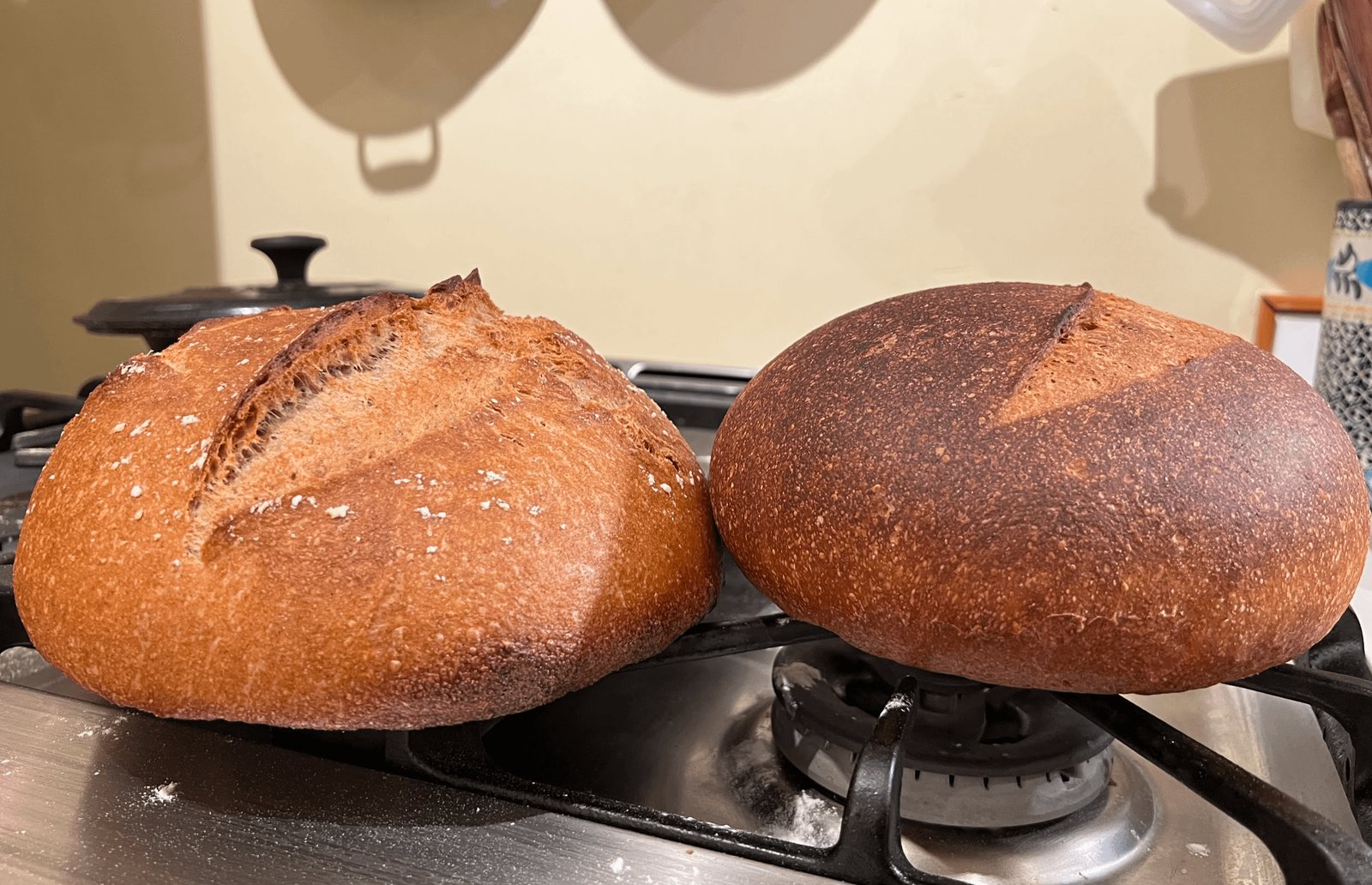
- Bake undisturbed for 20 minutes at 450°F with the steam trapped inside. The dough rises tall and the cut edge peels backward into an ear.
- Remove the water pan using heavy oven mitts and lower the heat to 425°F for 20 to 25 minutes. The crust turns deep chestnut brown and sounds hollow when tapped on the bottom.

The water pan mistake
Pouring cold water into a hot pan ruins the bake. Cold liquid causes thermal shock, which can warp metal or shatter glass. A shattered pan ruins your loaf and leaves dangerous shards inside.
Use a heavy cast iron or stainless steel pan and only pour boiling water. Ensure your steaming pan is thick metal that withstands heat without warping.
When to stop and get help
- The oven glass panel cracks or crazes from accidental water splashes; stop baking immediately because the door safety barrier is broken.
- The heating element produces visible sparks or a heavy burnt-wire smell; shut off the breaker and hire an appliance technician.
- You smell raw gas that lingers for more than 30 seconds after lighting; turn the dial to off, leave the room, and call your utility company.
Any electrical fault, door seal failure, or gas line issue requires a licensed technician.
Can you bake sourdough on a normal cookie sheet?
Yes. Line a heavy cookie sheet with parchment paper so the bottom doesn’t scorch. Thin sheets can warp at 450°F, which causes the loaf to cook unevenly. If the bread browns too quickly on the bottom, stack a second baking sheet directly underneath the first pan halfway through baking.
Why did my sourdough turn out flat without a Dutch oven?
Your oven lacked enough steam, or the oven wasn’t hot enough. Without humidity, the surface skin dries out and hardens in the first 5 minutes. This barrier prevents the gas bubbles from expanding upward. You must preheat the oven for at least 45 minutes to build adequate bottom heat.
How long do you bake sourdough without a Dutch oven?
About 40 to 45 minutes total at 450°F for a standard 750-gram loaf. Keep steam in the oven for the first 20 minutes to allow maximum rise. Remove the steam source for the remaining 20 to 25 minutes so the crust can dry out, turn golden brown, and crisp up.
What happens if you bake sourdough without steam?
The crust forms too fast, leaving the bread pale, thick, and tough. Steam keeps the dough exterior flexible and gelatinizes starches on the crust surface. Without it, you get a dull, matte finish instead of a shiny, blistered crust, and the interior crumb remains overly dense and gummy.
Is it safe to put ice cubes in a hot oven?
Yes, but only in a heavy cast iron pan. Tossing ice cubes onto a hot oven floor or directly onto thin metal can crack the porcelain enamel or warp the heating chamber. Place about 4 large ice cubes into your designated cast iron steam pan to generate a slow steam release.
Does a roasting pan work like a Dutch oven?
Yes. An upside-down metal roasting pan placed directly over the loaf traps moisture evaporating from the wet dough. This creates a small steam chamber on top of your flat baking sheet. Remove the roasting pan after 20 minutes so the crust gets direct heat and browns properly.
What to do next
Place your heavy metal pan on the bottom rack and start preheating your oven to 450°F right now. Expect your loaf to rise fully within the first 20 minutes, showing a distinct split where you scored the top. If you see smoke from grease drippings or smell melting door gaskets, stop and turn off the appliance.
Related guides