Can Glass Pyrex Go In The Microwave? Safety Tips and Advice
Yes, almost all clear glassware from this brand handles microwave heating safely. Thermal shock from sudden temperature changes causes ordinary glassware to crack. Check your dish for chips or deep scratches before heating.
In this article
When Pyrex glass is microwave safe
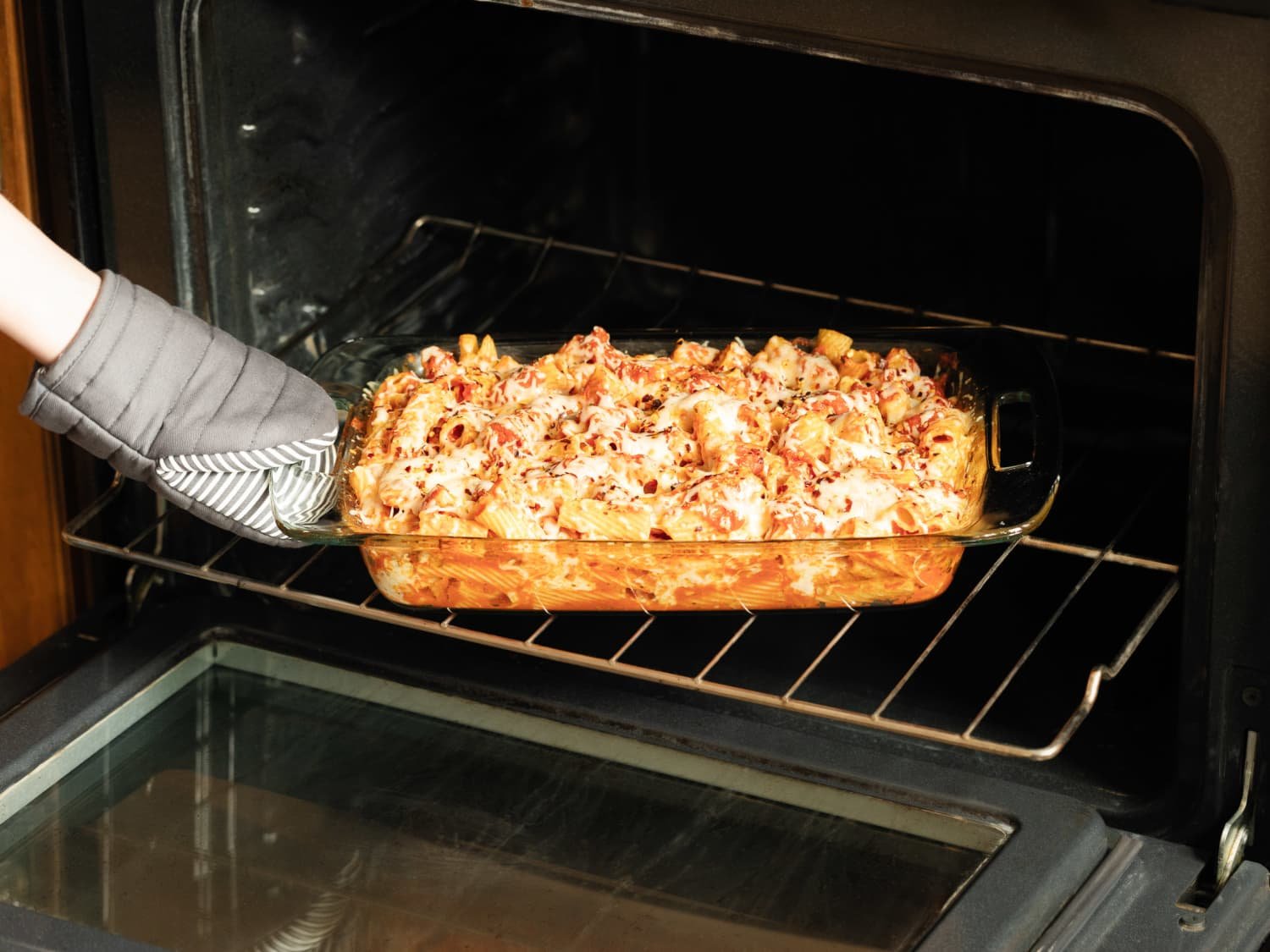
Clear Pyrex glass tolerates standard microwave heating when used without sudden temperature swings.
| Your situation | Answer | Why |
|---|---|---|
| Room temperature dish with food | Yes | Glass heats evenly without thermal stress |
| Cold dish straight from the fridge | Yes | Pyrex is designed to withstand standard microwave heating from refrigerator temperatures |
| Chipped, cracked, or scratched bowl | No | Surface damage concentrates stress points quickly |
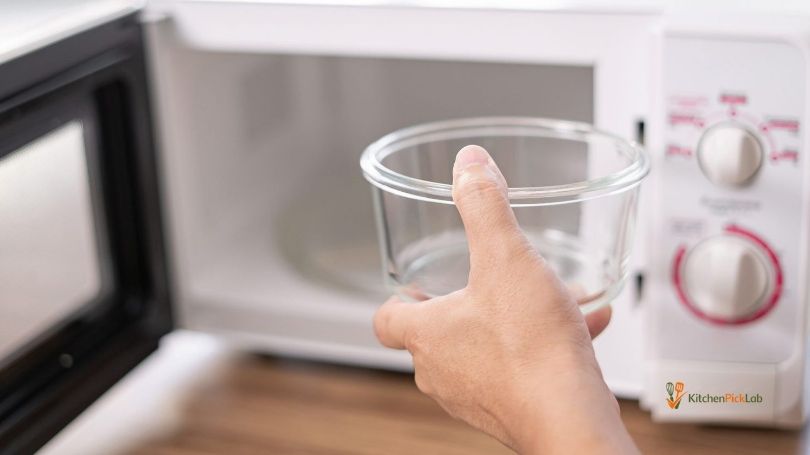
| Empty glass container | No | Absorbs excess energy without food load |
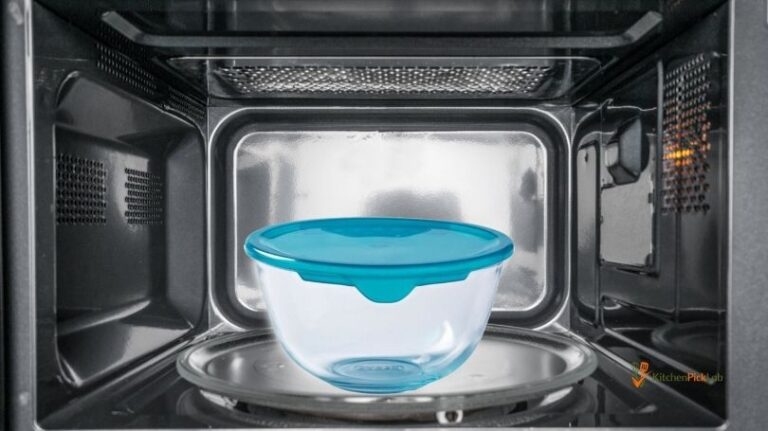
| Dish with plastic storage lid snapped shut | No | Trapped steam builds pressure inside vessel |
| Glass dish with loose microwave cover | Yes | Steam escapes freely while food warms |
Thermal shock and glass composition
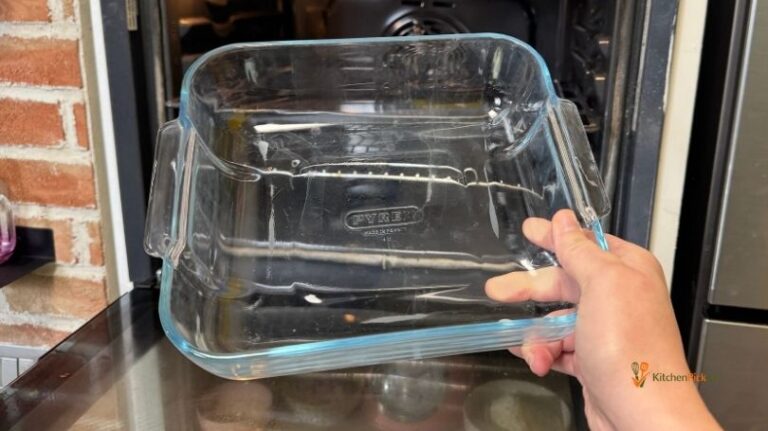
Thermal shock decides whether your cookware survives the microwave or shatters into pieces. Pyrex glassware sold in North America today uses tempered soda-lime glass, while vintage pieces and European versions use borosilicate glass. Corelle Brands states both glass types handle microwave radiation but not sudden, uneven expansion. When one part of a cold dish expands faster than the surrounding glass, internal tension tears the material apart. Heating food creates hot zones, especially around sugars and fats, which transfer high heat directly into the contact surface of the vessel. If you pour cold liquid into a hot bowl, the rapid contraction causes immediate structural failure.
A trade-off exists between these two materials: tempered soda-lime resists physical drops onto a floor better than borosilicate, but it handles rapid temperature swings far worse. However, this varies by model — check the label stamped onto the bottom of the vessel to confirm its microwave rating. You can also review microwave guidelines provided by the USDA Food Safety and Inspection Service to prevent heating accidents.
Safe microwave heating steps
- Inspect the vessel under bright kitchen light for chips, star fractures, or deep gouges. The glass passes this step if all edges feel smooth and the base shows no hairline lines.
- Bring cold glass to room temperature by leaving it on the counter for 20 to 30 minutes before heating. The dish is ready when the outside glass no longer feels cold against your palms.
- Add food with moisture across the base so the glass doesn’t heat dry. You know the distribution works when the bottom surface is mostly covered by food rather than exposed to empty air.
- Vent the lid by resting it loosely on top, or leave a 1-inch gap if you use microwave-safe plastic wrap. The vent works when steam drifts out the side without ballooning the cover.
- Microwave at medium power using 50% to 70% power for dense foods to avoid concentrated hot spots. Heating succeeds when steam rises gently without sputtering violently against the walls.
- Set the hot dish on a dry cloth or wooden trivet using dry oven mitts. The resting surface is correct when the glass never touches cold stone, metal, or puddle water.

This method isn’t for people reheating meals in a rush straight from the freezer, because rushing thermal adjustment breaks glass.
Heating frozen glass containers
The most common mistake is putting a frozen glass container directly into a running microwave. People do this to defrost soup or chili quickly, but the frozen center keeps the base icy while the microwave energy superheats moisture pockets against the outer rim. This thermal gradient snaps the vessel within 90 seconds. Transfer frozen food to a plastic or ceramic bowl, or defrost it in the refrigerator first.
When to stop and get help
- The glass develops a cloudy internal web of tiny fractures, meaning structural failure is imminent.
- A deep chip appears along the rim or base, which concentrates heat stress and causes spontaneous cracking.
- The dish cracks inside the appliance; turn off power at the wall switch before cleaning to avoid cut risks.
- Glass shards fall into the turntable drive mechanism below the roller ring, which requires professional appliance repair to prevent motor fires.
Stop using any vessel with structural faults immediately and discard it in your household trash.
Frequently asked questions
Can cold Pyrex go in the microwave?
Yes, cold Pyrex can go directly into the microwave, provided it isn’t frozen. Glass expands when heated, and if the base remains chilled while outer sections expand, thermal shock shatters the vessel.
Is vintage Pyrex safe to microwave?
Yes, vintage Pyrex is safe for microwave use if it has no chips or cracks. Most vintage pieces use borosilicate glass, which tolerates heat changes better than modern soda-lime glass. However, pieces with colored patterns or metallic gold trim should stay out of the microwave to protect the design.
What happens if you microwave Pyrex without food?
Microwaving an empty Pyrex dish can crack the material and damage your microwave oven. Microwaves require water, fat, or sugar molecules to absorb their energy. Without food inside, the microwave energy isn’t absorbed, which can cause damage to the appliance.
Can Pyrex lids go in the microwave?
Yes, modern plastic Pyrex storage lids are microwave-safe, but you must unseal them first. Never seal the lid tight while heating food. Lay the plastic cover loosely on top of the container so expanding steam escapes freely, preventing the lid from warping or creating dangerous internal pressure.
Does microwave power level matter for Pyrex?
Yes, microwave power levels matter because high power creates concentrated hot spots that cause uneven glass expansion. Heating thick food like mashed potatoes or stew at 50% power warms the meal evenly. This gradual heat transfer protects the glass integrity while heating your meal to the center.
Why did my Pyrex shatter in the microwave?
Pyrex shatters in the microwave almost exclusively due to thermal shock or pre-existing micro-cracks. Placing a cold dish into high heat, placing a hot dish on a wet counter, or heating a bowl with severe scratches causes the glass to break instantly under thermal stress.
What to do next
Examine your glassware for surface scratches and let cold leftovers warm slightly on your counter before turning on the appliance. You’ll get safely reheated food in an unbroken container when steam vents smoothly without any popping sounds from the dish. If you hear a sharp snap or notice a hairline crack spreading across the base, stop heating immediately and let the dish cool completely before touching it.