8 Things to Consider Before Buying Food Storage Containers
Last Updated on September 9, 2026
Are you tired of food containers that leak, stain, or take up too much space? Choosing the right food storage containers can save you time, money, and frustration every day.
But with so many options out there, how do you know which ones are truly worth it? Before you buy, there are key things you need to consider to make sure your containers fit your lifestyle perfectly. Keep reading, and you’ll discover 8 essential tips that will help you pick containers that keep your food fresh, your kitchen organized, and your life easier.
Don’t miss out—your next great kitchen upgrade is just ahead!
Material Types

Read More – How Do You Organize a Small Kitchen Cabinet?
Choosing the right material for food storage containers matters a lot. It affects durability, safety, and how well the food stays fresh. Different materials suit different needs. Knowing their benefits and limits helps you make a smart choice.
Plastic Containers
Plastic containers are lightweight and easy to carry. They come in many shapes and sizes. Most are affordable and work well for daily use. Look for BPA-free options to avoid harmful chemicals. Plastic containers often seal tightly, keeping food fresh. They are good for dry goods and leftovers. Some plastics may stain or absorb odors over time.
Glass Containers
Glass containers are sturdy and last long. They do not absorb smells or stains. Glass keeps food fresh without chemicals. These containers are microwave and dishwasher safe. They can handle hot and cold foods well. Glass is heavier and may break if dropped. They usually cost more but offer great value.
Stainless Steel Options
Stainless steel containers are strong and durable. They do not react with food or leak chemicals. These containers are ideal for packed lunches and outdoor use. They keep food fresh but are not microwave safe. Stainless steel is easy to clean and resists rust. They often have tight lids to prevent spills. These containers can be pricier but last for years.
Size And Shape
Choosing the right size and shape of food storage containers can make a big difference. It helps keep your kitchen organized and your food fresh. Containers that fit well in your fridge, freezer, or pantry save space and reduce clutter. The right sizes and shapes also make it easier to store different types of food. Think about what you usually store and how much space you have before buying.
Choosing The Right Sizes
Pick containers that match the amount of food you store. Small containers work well for snacks or leftovers. Large containers are great for big meals or bulk items. A mix of sizes gives you more options. Avoid containers that are too big or too small for your needs. This helps prevent food waste and keeps your storage neat.
Stackability And Space Saving
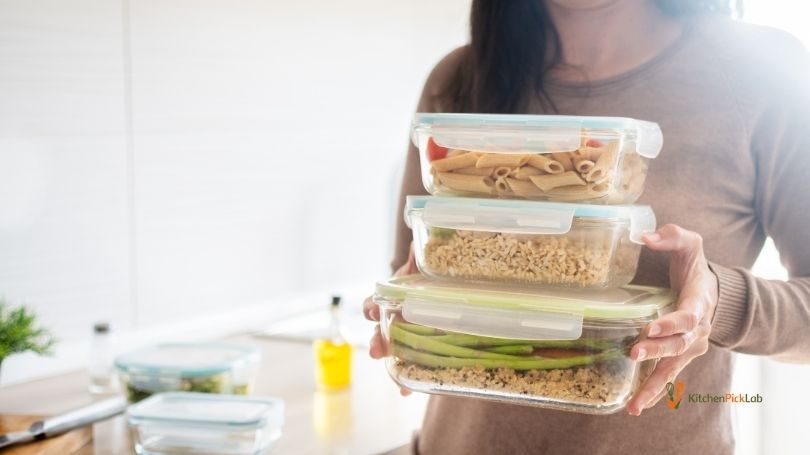
Stackable containers save space in your kitchen. Look for containers with flat lids and uniform shapes. They fit easily on shelves and inside cabinets. Stackable containers reduce clutter and make your kitchen look tidy. Space-saving designs also make it easier to find what you need quickly. Choose containers that nest inside each other when not in use to save even more space.
Seal And Lid Quality
Seal and lid quality plays a big role in choosing food storage containers. A strong seal keeps food fresh and stops spills. Poor lid quality can cause leaks and spoil food quickly. Choosing containers with reliable seals saves time and prevents messes. It also helps keep your food safe from air and moisture.
Leak-proof Features
Leak-proof lids stop liquids from spilling inside bags or fridges. Containers with rubber or silicone seals work best to block leaks. Some lids snap shut tightly to lock in freshness. Check if the lid fits snugly without gaps. Good leak-proof containers are great for soups, sauces, and dressings.
Ease Of Opening And Closing
Containers should open and close without too much force. Lids that are too tight can be hard to remove quickly. Choose containers with lids that snap or click open easily. Look for lids with tabs or grips for better handling. Easy lids make it simple to access food anytime.
Microwave And Freezer Safety
Read More – Can You Store Hot Food in Plastic Containers?
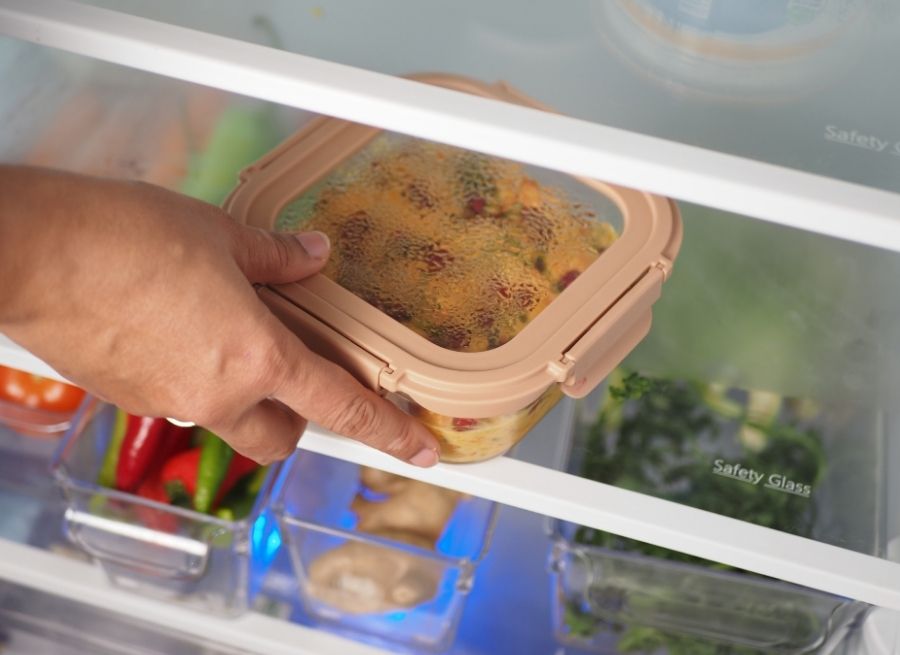
Choosing the right food storage containers means thinking about microwave and freezer safety. These containers must handle heat and cold without damage. Safe containers keep your food fresh and avoid harmful chemicals. Knowing the limits of your containers helps protect your meals and your health.
Heat Resistance
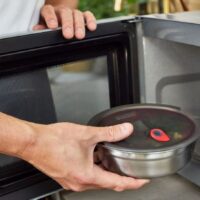
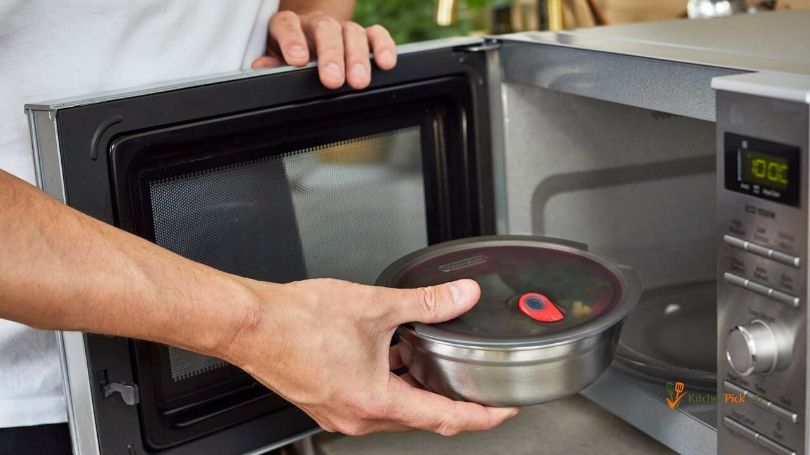
Containers that resist heat work well in microwaves. They do not melt or warp under high temperatures. Look for containers labeled microwave-safe. This ensures they can handle cooking or reheating food. Avoid containers with metal parts. Metal can cause sparks and fires in microwaves. Also, some plastics release toxins when heated. Choose BPA-free containers to stay safe.
Freezer Compatibility
Freezer-safe containers prevent cracks and leaks in cold temperatures. They keep food fresh longer and stop freezer burn. Not all containers handle freezing well. Some plastics become brittle and break in the freezer. Glass containers with tight lids work great for freezing. Check if the container has a freezer-safe label. This helps avoid spills and food waste.
Durability And Longevity
Durability and longevity are key factors when choosing food storage containers. Containers that last longer save money and reduce waste. Strong materials resist daily wear and tear. This keeps your containers looking good and working well for a long time.
Scratch And Stain Resistance
Scratches make containers look old and worn out. Some materials are more scratch-resistant than others. Glass and stainless steel resist scratches better than plastic. Stains from sauces or spices can ruin containers. Choose containers that resist stains to keep them clean and fresh.
Impact On Container Lifespan
The material and build quality affect how long containers last. Durable containers handle drops and bumps without breaking. Containers with tight seals stay fresh longer. Poor-quality containers may crack or warp quickly. Investing in sturdy containers ensures they serve you well for years.
Ease Of Cleaning
Ease of cleaning is a key factor when choosing food storage containers. Containers that are hard to clean can become a hassle. They may also trap food residue and bacteria, which is unhealthy. Picking containers that clean easily saves time and effort. It keeps your kitchen tidy and your food safe.
Dishwasher Safe Options
Dishwasher safe containers are a big help. They let you wash many containers at once. This saves time and makes cleaning simple. Check the label to see if containers are dishwasher safe. Some lids or parts may not be safe for dishwashers. Choose containers that can handle hot water and strong detergents.
Cleaning Hard-to-reach Areas
Some containers have tight corners and grooves. These spots can trap food and are hard to clean. Containers with smooth surfaces and wide openings are better. Avoid containers with many small parts that collect dirt. Use brushes or sponges designed to reach tight spaces. Easy-to-clean containers keep your kitchen cleaner and safer.
Design And Aesthetics
Design and aesthetics play a big role in choosing food storage containers. They affect how your kitchen looks and how easy the containers are to use. Picking containers that look good can make your kitchen feel tidy and welcoming. Containers that match your style make storage more enjoyable.
Good design also helps with organization. Containers with clear shapes and neat lines fit better in cabinets or the fridge. The right look can also signal the container’s purpose or contents, saving time when grabbing snacks or leftovers.
Color Choices
Color matters for both style and function. Bright colors can add fun to your kitchen shelves. Neutral tones like white, gray, or beige offer a clean, modern look. Some containers use color-coded lids to help identify contents quickly. This reduces the chance of mixing up food or forgetting what is inside.
Think about your kitchen’s overall color scheme. Choose containers that blend well or create a nice contrast. This helps your kitchen look more organized and appealing.
Transparency For Visibility
Clear containers let you see what’s inside without opening them. This saves time and helps keep food fresh. You can easily check how much food is left and plan meals better. Transparency also reduces food waste because you won’t forget what you stored.
Containers with fully transparent bodies or windows work best. They make your kitchen look tidy and help you stay organized. Choose containers that are easy to clean and resistant to stains for long-lasting clarity.
Price And Warranty
Price and warranty play important roles when buying food storage containers. These factors affect your satisfaction and the container’s lifespan. Choose wisely to save money and avoid hassle later.
Budget Considerations
Set a clear budget before shopping. Food storage containers come in many price ranges. Cheaper options may last less time or not seal well. More expensive containers often offer better materials and durability. Think about how often you will use them. Invest in quality containers for frequent use.
Don’t buy the cheapest option just to save money. Poor containers can lead to food waste. Balance price and quality for the best value.
Warranty And Customer Support
A good warranty shows the manufacturer’s confidence in their product. Check if the container brand offers a warranty. Look for coverage length and what it includes. Some warranties cover cracks, leaks, or defects. This saves money if containers break early.
Customer support matters too. Choose brands that respond quickly to questions or problems. Easy returns or replacements add peace of mind. A solid warranty and helpful support improve your buying experience.
Read More – How Long Can Leftovers Stay in the Fridge?
Frequently Asked Questions
What Materials Are Best For Food Storage Containers?
Glass and BPA-free plastic are top choices. Glass is durable, non-toxic, and odor-resistant. BPA-free plastic is lightweight and safe for daily use.
How Important Is Airtight Sealing In Containers?
Airtight seals keep food fresh longer by preventing air and moisture entry. This reduces spoilage and maintains flavor and texture.
Can Food Storage Containers Be Used In Microwaves?
Many containers are microwave-safe, but check labels first. Glass and some plastics withstand heat, while others may warp or release chemicals.
What Sizes Of Food Storage Containers Should I Buy?
Buy a variety of sizes to fit different food portions. Small for snacks, medium for leftovers, and large for bulk storage ensure flexibility.
Conclusion
Choosing the right food storage containers takes some thought. Consider size, material, and sealing features carefully. Think about how you will use them daily. Easy cleaning saves time and effort. Durability ensures long-term use without problems. Microwave and freezer safety matter too.
Clear containers help you find food quickly. Keep these tips in mind for smarter shopping. Your kitchen will stay organized and food fresh longer. Simple choices lead to better results.