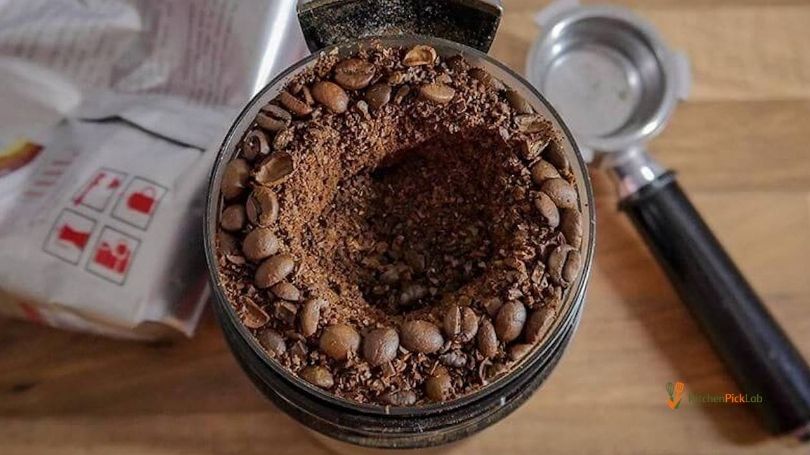
Can You Grind Coffee Beans In A Food Processor? The Verdict
Yes, but only for coarse grounds. If you need fine grounds for espresso, this tool fails completely. You can grind coffee beans in a food processor right now if you plan to brew with a French press or a cold brew pitcher. Put your brewing gear on the counter first so you can match the grind size before you start chopping.
When to grind coffee beans this way
Your brewing method decides whether the blades will help or ruin your morning cup.
| Your situation | Answer | Why |
|---|---|---|
| Cold brew maker | Yes | Needs large, coarse particles |
| French press pot | Yes | Wide mesh catches chunky grounds |
| Flat-bottom drip machine | Yes | Medium bits brew acceptably |
| Pour-over cone | No | Uneven sizes clog paper filters |
| Stovetop moka pot | No | Needs fine, even texture |
| Espresso pump machine | No | Can’t build proper extraction pressure |
Blade motion and bean texture
A food processor doesn’t crush beans; it chops them with two spinning steel blades. Real coffee mills crush roasted beans between two textured surfaces called burrs to make every grain identical. A processor blade smashes into brittle beans at high speed, creating an uneven mix of huge chunks and powdery coffee dust in the same batch. That uneven particle spread creates a real trade-off: you get fast convenience today, but your brewed cup will taste both sour from under-extracted boulders and bitter from over-extracted fines.
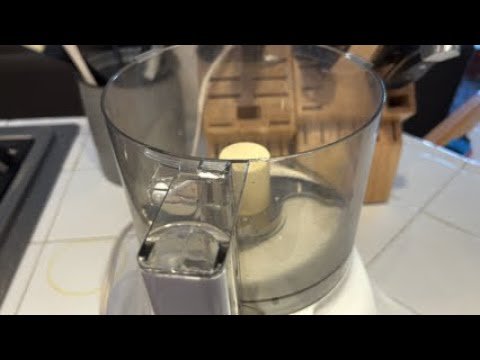
Bowl volume also limits what works. A standard 7-cup to 14-cup processor bowl has a wide floor, so running less than half a cup of whole beans means the blades whip them into the plastic walls without cutting them down. The trade-off between bowl space and cutting contact means small single-cup batches fail completely. This tool isn’t for people who want sweet, balanced pour-over cups with delicate floral notes.
The exact motor power changes how fast the pieces shatter—this varies by model, so check the label under the machine base for the wattage before you run it continuously. If you brew with full immersion like cold brew, use the processor without fear; if you need pressurized brewing, buy a real burr mill instead.
How to chop whole beans safely
- Measure your dry beans by pouring 1/2 cup to 1 cup of whole beans into the dry work bowl. The beans should sit deep enough to fully submerge the bottom blade edge.
- Lock the cover firmly in place so coffee dust can’t escape into your room during the run. A click sound confirms the safety latches engaged.
- Pulse in short bursts by tapping the pulse button for 1 second, repeating 5 to 8 times total. The beans will bounce loudly off the lid and break into cracked chunks.
- Shake the entire base gently between pulses to drop light bean shells back down to the blade path. Inspect the bowl to see the largest pieces settle near the bottom.
- Check the final texture by rubbing a pinch between your fingers to confirm it matches coarse sea salt. The grounds will feel rough and uneven rather than soft and powdery.
Overheating the oils
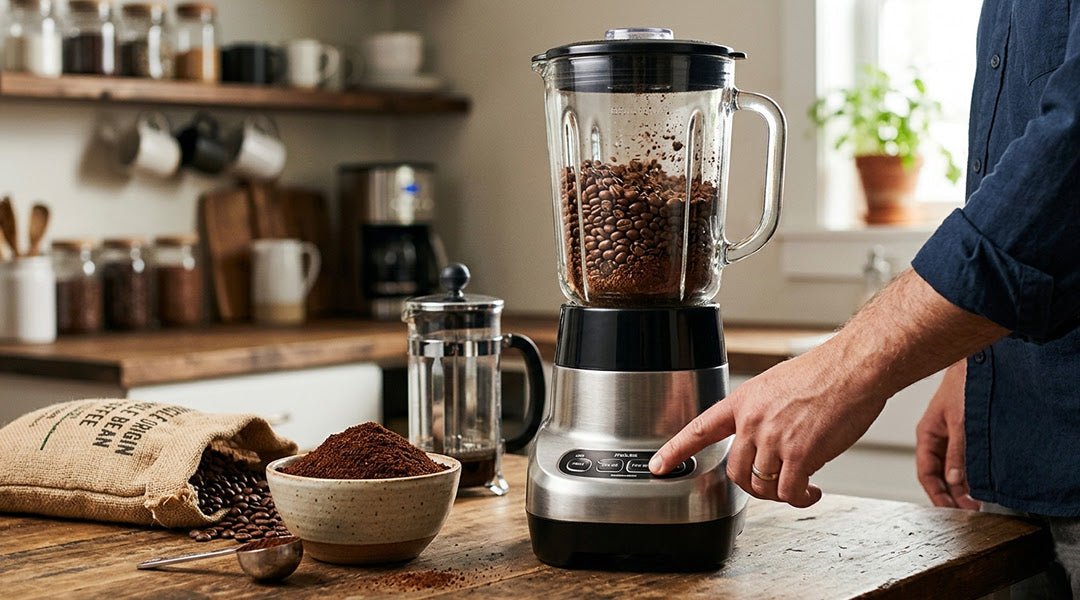
Running the motor continuously instead of pulsing is the main mistake here. Food processor motors run hot, and dull chopping blades build severe friction against hard beans. This heat burns delicate aromatic oils inside the beans in under 30 seconds, turning your coffee acrid and dull before it ever touches water. It also scratches the clear plastic bowl permanently, costing you the price of a replacement container. Check the container temperature with your palm between quick pulses; the plastic bowl must stay cool to the touch the entire time.
When to stop and get help
- Fine dust cakes inside the blade spindle, which can jam the motor shaft permanently.
- The clear work bowl cracks from flying beans, creating sharp plastic shards in your kitchen.
- The machine emits an electrical burning odor, showing the motor can’t handle dry, dense loads.
Stop using the appliance immediately if the motor strains or starts smoking. You’ll void the manufacturer coverage on household units by running dry materials beyond the limits in the manual. The CPSC appliance recall notices show thousands of food processors recalled over cracked bowls and broken blade fragments, so replace damaged parts through the brand rather than forcing a cracked blade to spin.
Frequently asked questions
Can you make fine espresso powder with this machine?
No. Spinning processor blades smash beans randomly and can’t produce the tiny, uniform particles needed to build water resistance in an espresso basket.
Why does my coffee taste bitter after using this?
The blades create microscopic coffee dust alongside large chunks. That fine powder dissolves too quickly in hot water, dumping harsh, bitter compounds straight into your mug.
How long should you pulse the machine?
About 10 seconds total. Press the pulse control in short 1-second bursts so you can stop the exact moment the chunks match coarse kosher salt.
Is it safe for the plastic bowl?
Yes, but hard dark-roast or green beans leave tiny surface scratches on clear plastic over time. These micro-scratches make the work bowl look cloudy permanently.
What happens if you run the motor on high?
The spinning steel blades create friction heat that can degrade delicate aromatic oils, potentially leading to a burnt or stale flavor profile.
Does the batch size matter for grinding?
Yes. You need at least 1/2 cup of beans so the spinning blade can reach them; smaller amounts just bounce around without breaking down.
What to do next

Pour half a cup of beans into your processor bowl right now and pulse it five times to see the cut size. You should see coarse, chunky flakes that brew cleanly in a mesh French press filter. If you see fine powder and smell hot plastic instead, stop immediately and switch to pre-ground coffee.
Final Thoughts
While this method works in a pinch, you’ll notice a cleaner flavor once you upgrade to a dedicated burr grinder. It’s a great next step for your morning routine. Don’t worry if your first few cups aren’t perfect; just keep experimenting with your pulse timing until you find the texture you love.