Can The Instant Pot Lid Go In The Dishwasher? The Safe Answer
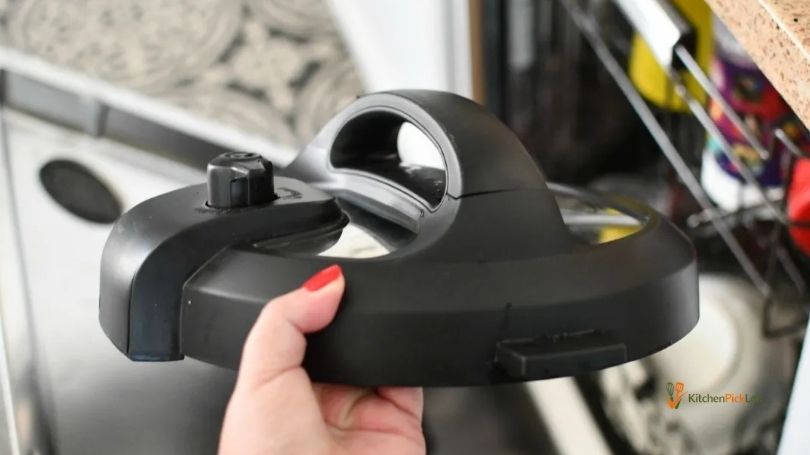
Yes, for standard models. You can clean it safely if your pressure cooker has a regular lid without built-in electrical wiring. A smart lid with a digital screen or an attached motor can’t go into water, so you must wipe those down by hand instead.
When it’s yes and when it’s no

Check which part you have before running your wash cycle.
| Your situation | Answer | Why |
|---|---|---|
| Standard Duo pressure lid | Yes | Stainless steel and silicone tolerate wash water |
| Silicone sealing ring | Yes | High-heat water removes trapped food odors |
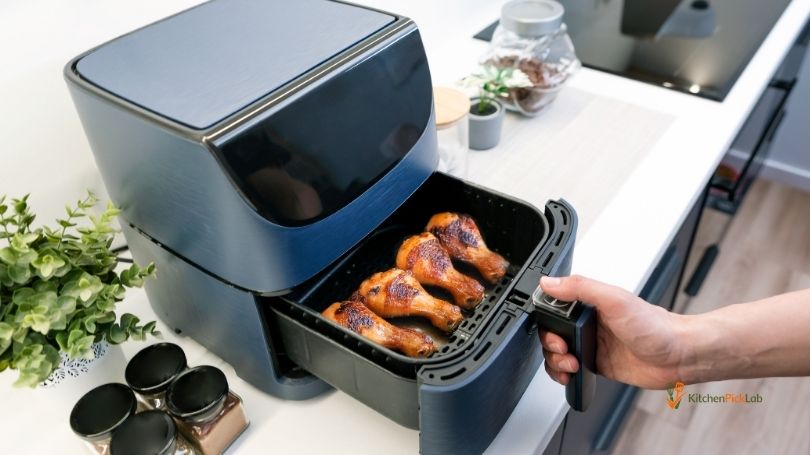
| Air fryer or crisping lid | No | Internal heating coil and motor will short-circuit |
| Smart lid with digital display | No | Water enters the housing and destroys electronics |
| Glass slow-cooker lid | Yes | Tempered glass handles standard dishwasher cycles |
Dishwasher heat and electronic parts
Electric heating elements determine if a lid is dishwasher safe. Standard pressure lids use mechanical valves, silicone rings, and stainless steel shields. None of these parts carry an electric current. They survive regular water exposure and standard wash cycles without failing.
Air fryer attachments and digital lids contain open electrical plugs, internal fans, and heating elements. Water entering these internal spaces ruins the connections and creates an immediate fire hazard.
Consider machine heat. Dishwasher heating elements sit at the bottom of the tub. That heat warps plastics and stretches rubber. The top rack stays cooler. Detergents can leave a soapy scent on the rubber.
Washing the lid safely
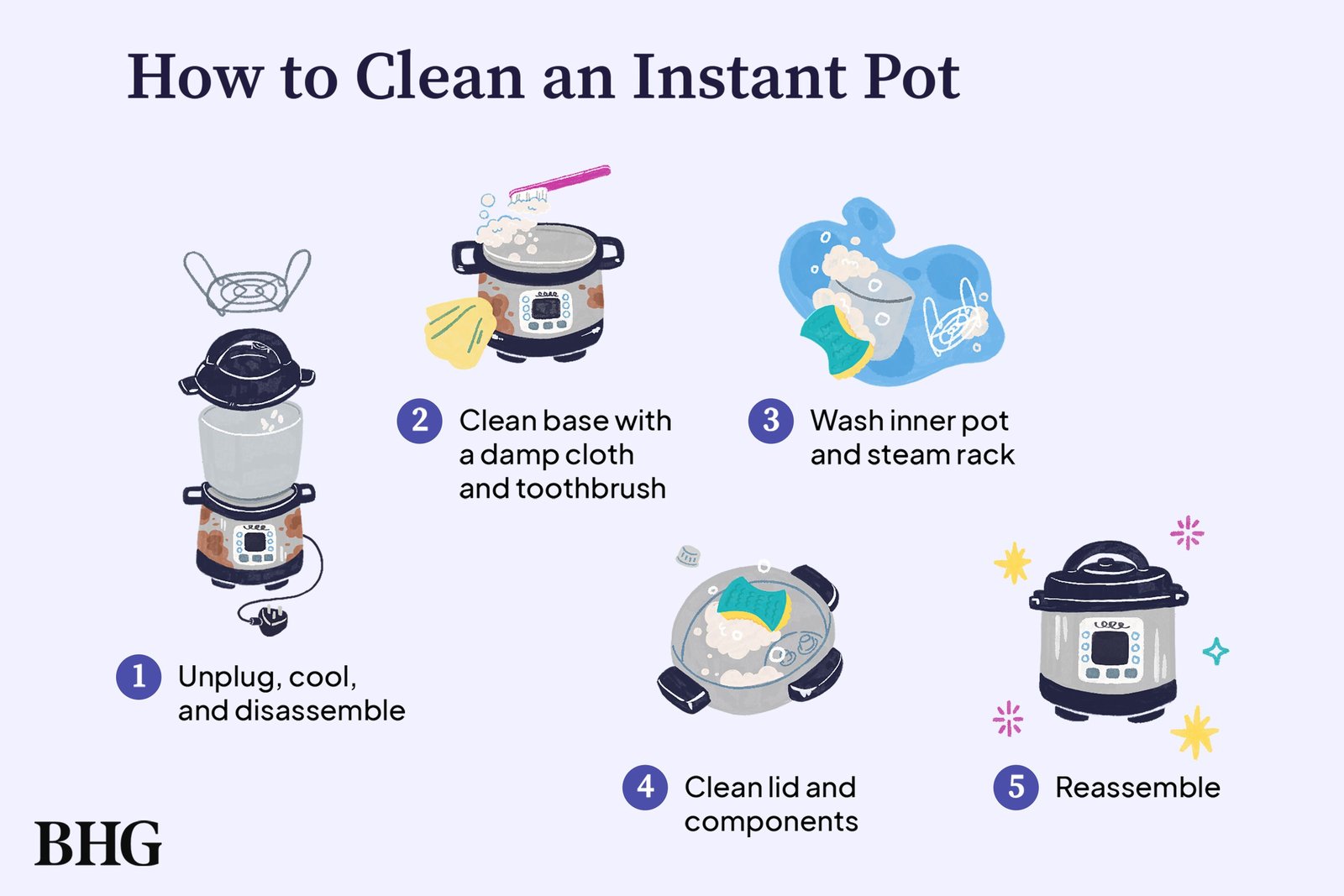
- Pull the silicone ring out from behind the inner metal ring inside the lid. The ring comes free easily with a light tug.
- Remove the anti-block shield by gripping it with your thumb and pushing it firmly toward the outer rim. The small metal cap pops off the inner lid surface.
- Lift off the steam release handle straight up away from the lid body. The valve pulls off the stem without twisting.
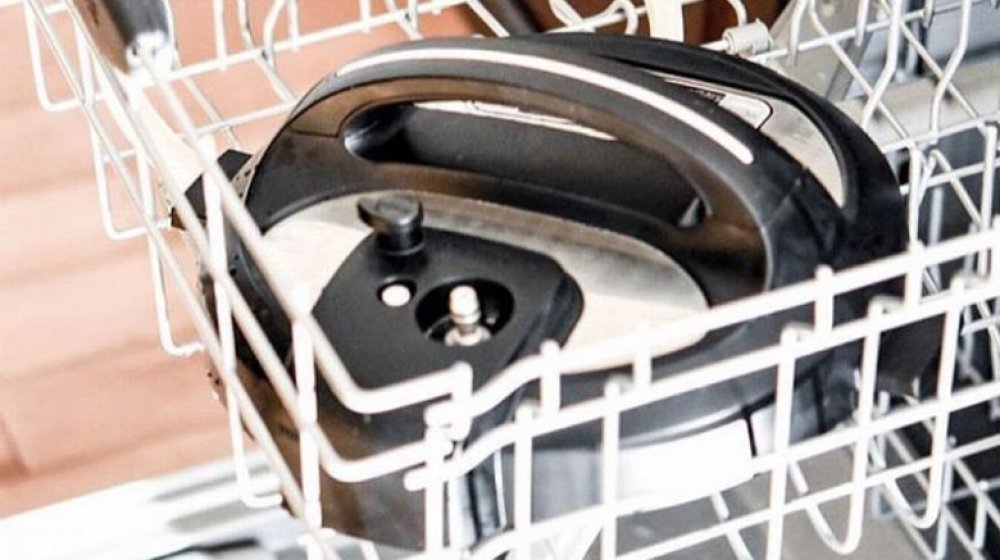
- Place all items on the top rack of your dishwasher, angling the main lid so dirty wash water drains out. The parts rest securely between the upper tines.
- Run a normal cycle using standard dish detergent without selecting an extreme high-heat sanitize setting. The wash cycle finishes without melting plastic parts.
- Reinstall every piece once completely dry by pressing the shield back over the vent pipe and pushing the ring under the metal guide wire. The ring sits completely flat against the lid edge.
The mistake people make
Leaving small food bits trapped under the metal anti-block shield is the most common mistake. People set the entire lid into the machine without pulling off the small parts first.
Dried starch and sauce stay stuck behind the metal mesh. This mistake eventually blocks the steam escape path during a high-pressure cooking cycle. When that pipe clogs, the pot fails to vent properly or can’t reach operating pressure at all.
When to stop and get help
- The float valve stays stuck in the raised position after washing, which means dried food debris is jamming the internal chamber.
- The silicone ring looks stretched, feels sticky, or shows tears, meaning the cooker can’t build pressure safely.
- The plastic lid handle shows cracks or heat deformation, which stops the locking lugs from closing completely.
- You dropped a powered air fryer lid into the sink or dishwasher, creating an internal shock hazard.
Electric lids that get soaked need professional repair or total replacement. Contact the manufacturer directly if an electric component gets wet, as opening the plastic shell yourself voids your warranty and creates a shock hazard.
Can the Instant Pot lid go in the dishwasher bottom rack?
No, the bottom rack gets too hot. Dishwasher heating elements sit at the base of the machine. That direct heat can warp the plastic handles, melt the float valve seal, or bend the locking lugs. Always keep the lid on the top rack.
Why does my lid smell like food after being washed?
The silicone sealing ring absorbs food oils during pressure cooking. Detergent washes the metal lid clean, but smells stay locked inside porous silicone. You can wash the ring in the dishwasher alone or soak it in white vinegar for 30 minutes to strip smells.
How long does an Instant Pot lid take to dry?
Water often gets trapped inside the hollow handle and the valve ports. Turn the lid sideways on your counter so trapped water runs out of the steam tube before you store the appliance away in a cabinet.
Is it safe to leave the sealing ring in the lid?
No, food debris and dirty water collect behind the ring. If you leave it in place during the cycle, the dishwasher won’t clean underneath it. The ring can also slip out of its groove during drying and become warped by wash heat.
What happens if an air fryer lid goes in the dishwasher?
The air fryer lid will stop working and can cause an electrical fire. These specialty lids have fans, motors, and exposed heating coils that can’t handle water immersion. Clean these lids only by wiping the cooled surfaces with a damp sponge.
Does it matter if the steam release valve goes through the wash?
Yes, it must come off so water cleans the narrow steam pipe underneath. The small plastic valve handle itself is dishwasher safe. Place it inside the silverware basket with the flap closed so the machine jets don’t throw it around.
What to do next
Pull the silicone ring and the small metal shield off your lid right now. Place the disassembled pieces across the top rack of your dishwasher, and expect clean parts that show no grease once the cycle finishes. If you see cracks in the silicone or the plastic handle after washing, stop using the lid and order a replacement.